
原呵呵科技 手机 iPhone 17 Pro Max Review: The Most Expensive iPhone Isn’t Always the Best — Real-World Usage Revealed

iPhone 17 Pro Max Review: The Most Expensive iPhone Isn’t Always the Best — Real-World Usage Revealed

Hello! I’m Yuan Hehe. Please follow me for more exciting content. iPhone 17 Pro Max review

The iPhone 17 Pro Max presents smartphone reviewers with a unique question. On the surface, it’s the best iPhone you can buy—the one with the largest display and longest battery life. It’s also the only one with 2TB of storage.

-

However, I find myself more inclined to recommend the iPhone 17 Pro this year than Apple’s behemoth. Why? The smaller model’s battery life is good enough now, and its more compact size has a greater advantage over the larger screen on the 17 Pro Max.

However, this doesn’t mean the 17 Pro Max won’t be better for some people. It’s actually not worse than the 17 Pro—I just prefer the smaller phone.

Design and new features

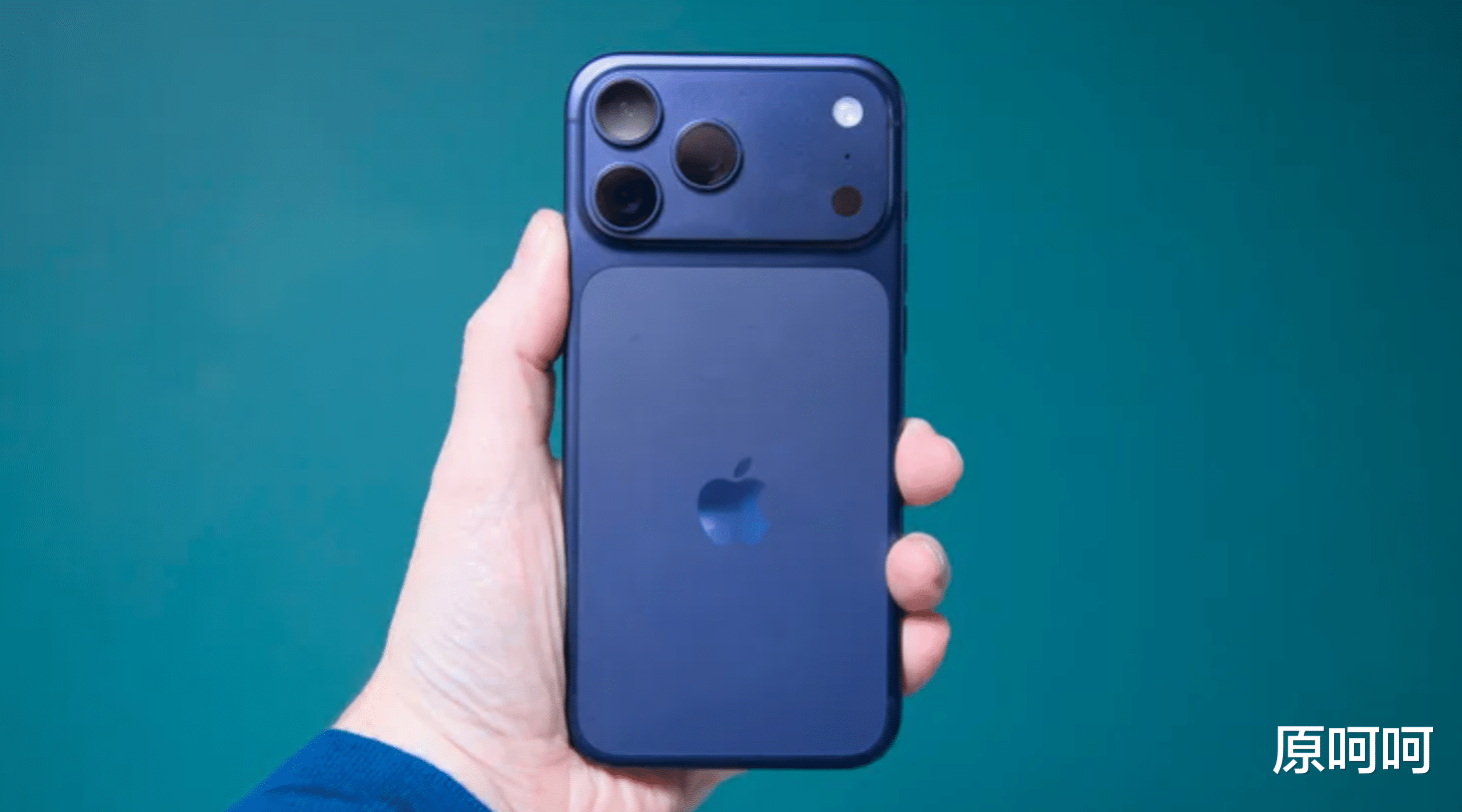
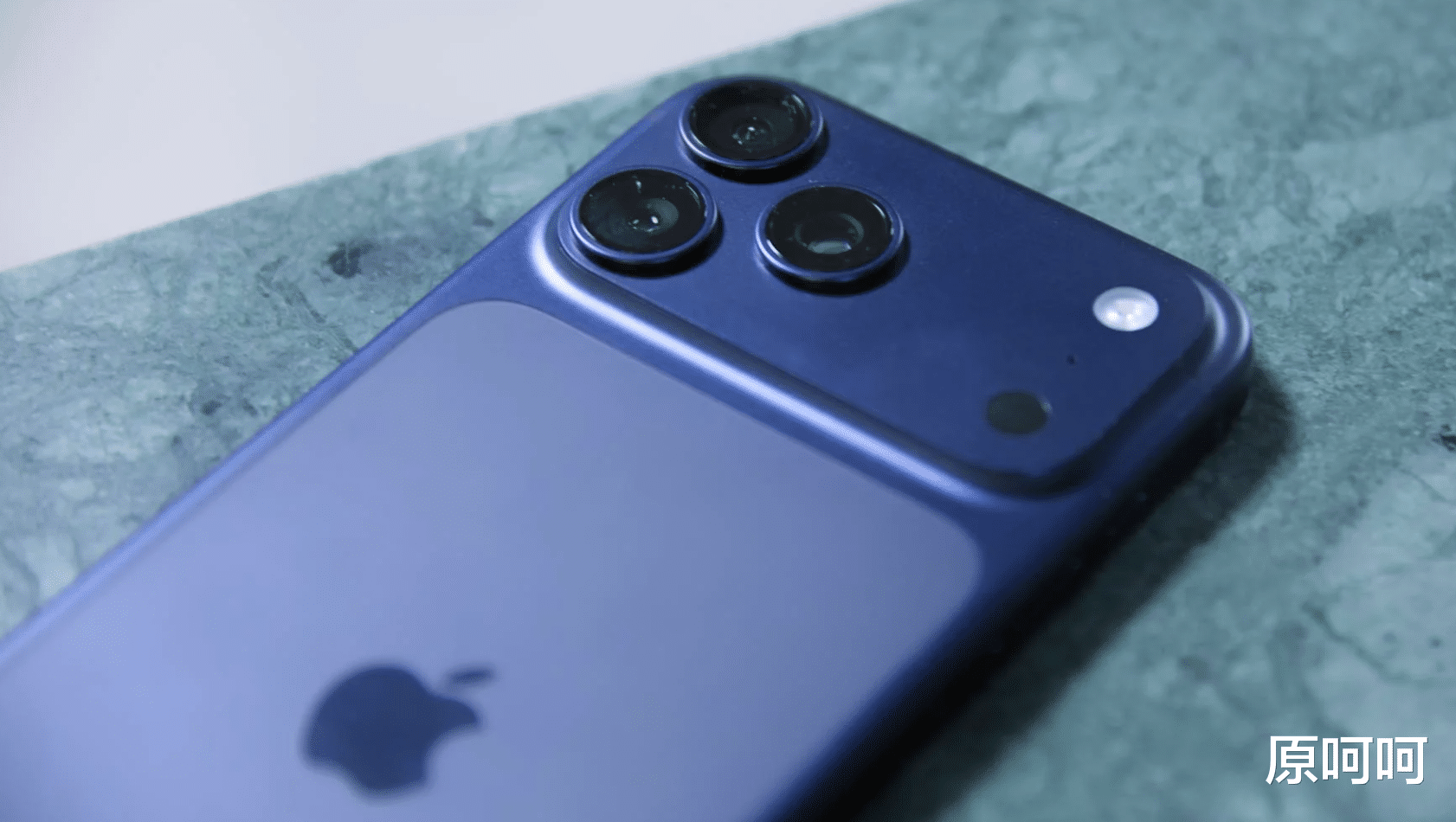
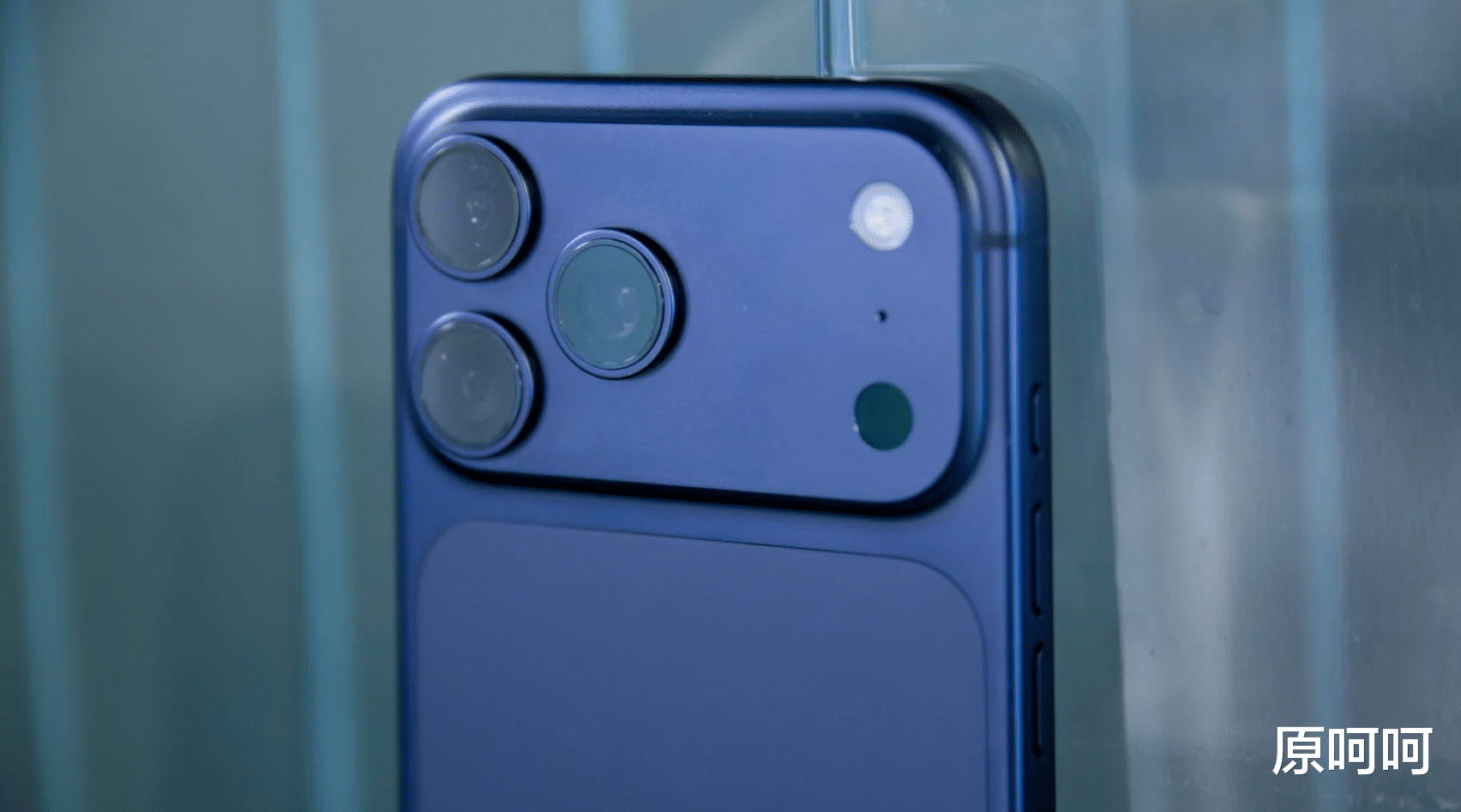
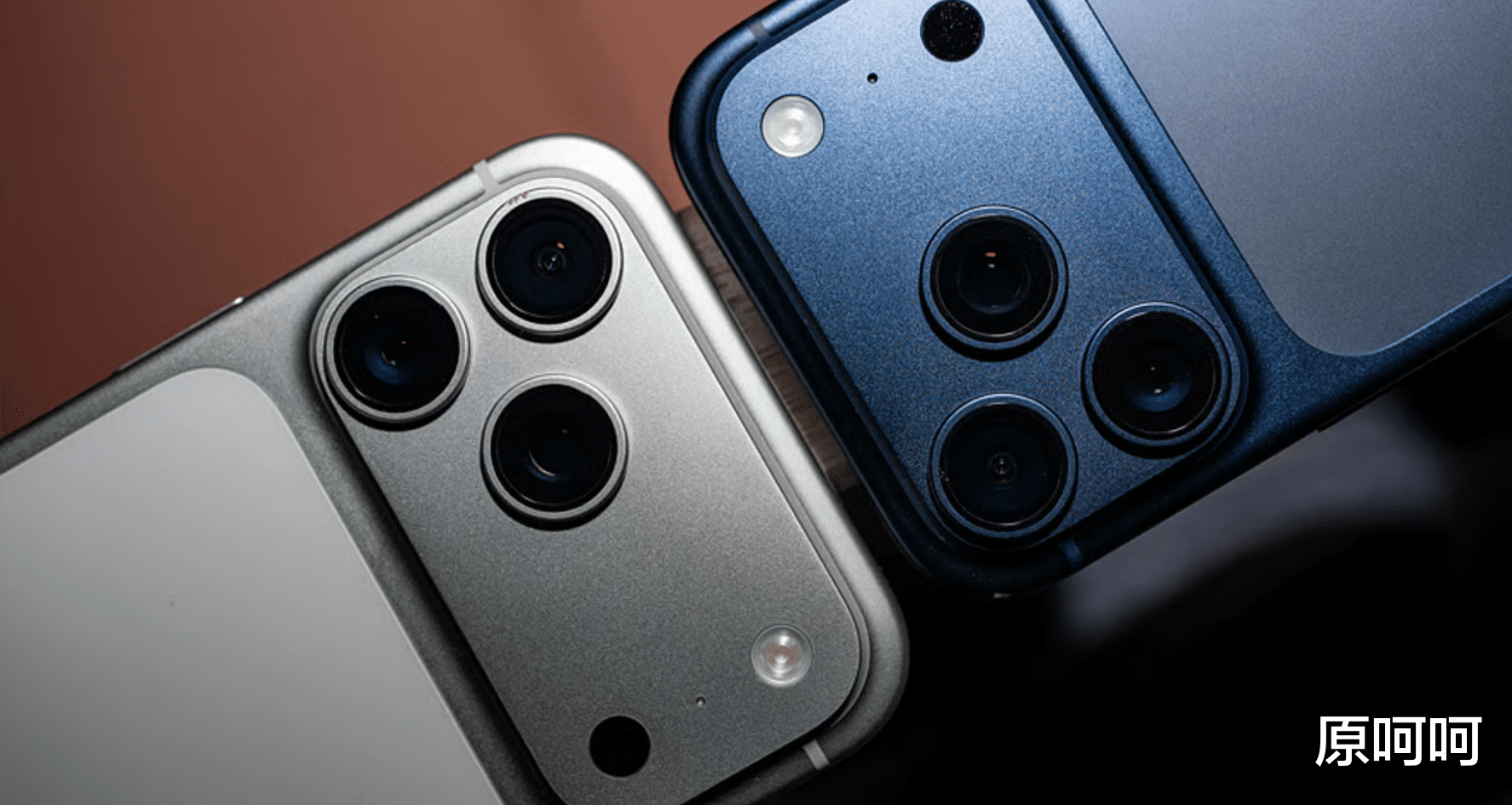
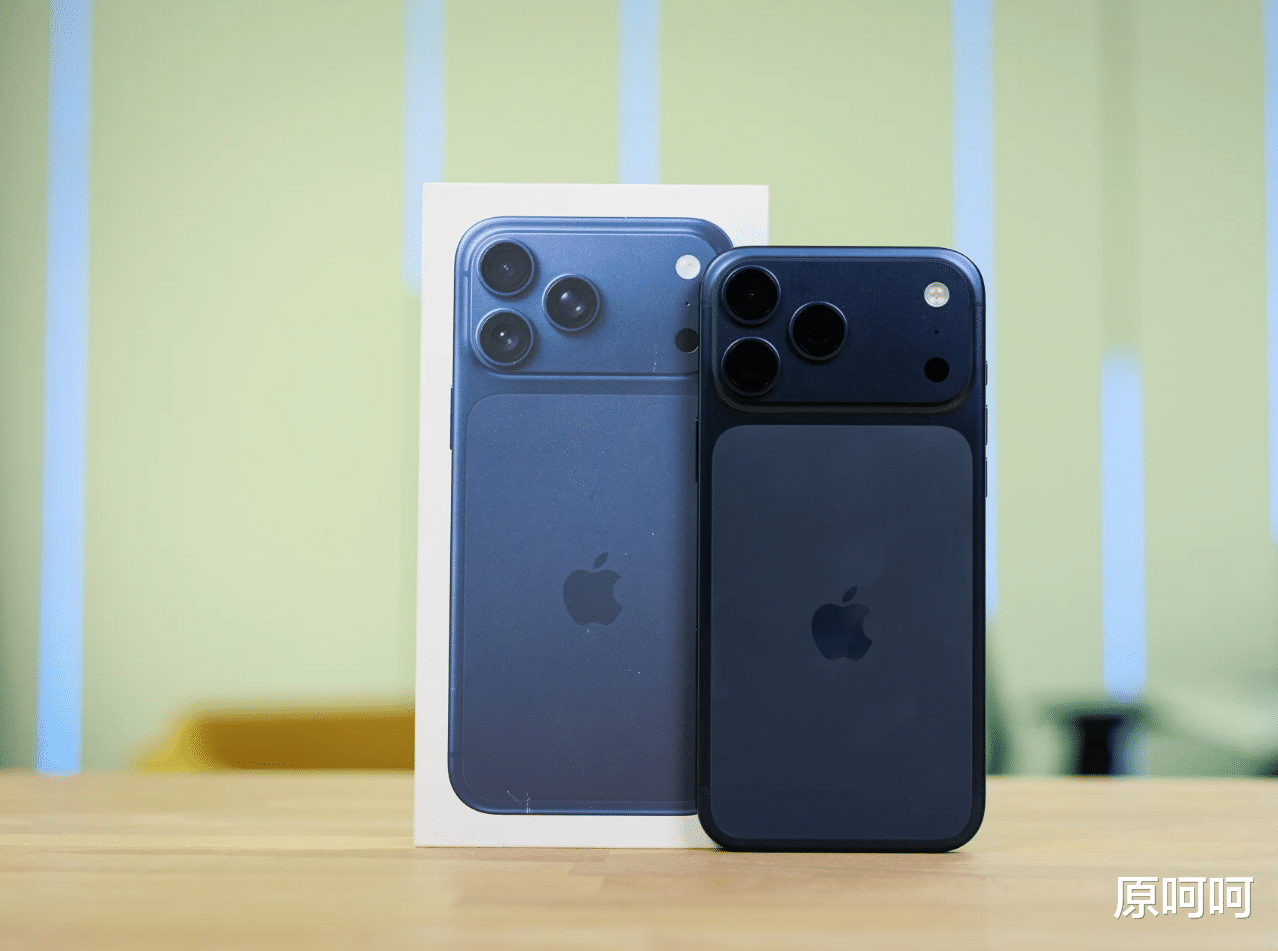
To be honest, I don’t like it, especially the two-tone aluminum and glass back and the huge camera bump, which Apple euphemistically calls a “plateau”—seemingly to mitigate the impact of its size and ugliness. It’s the largest iPhone in the series, and definitely not to be missed.
-

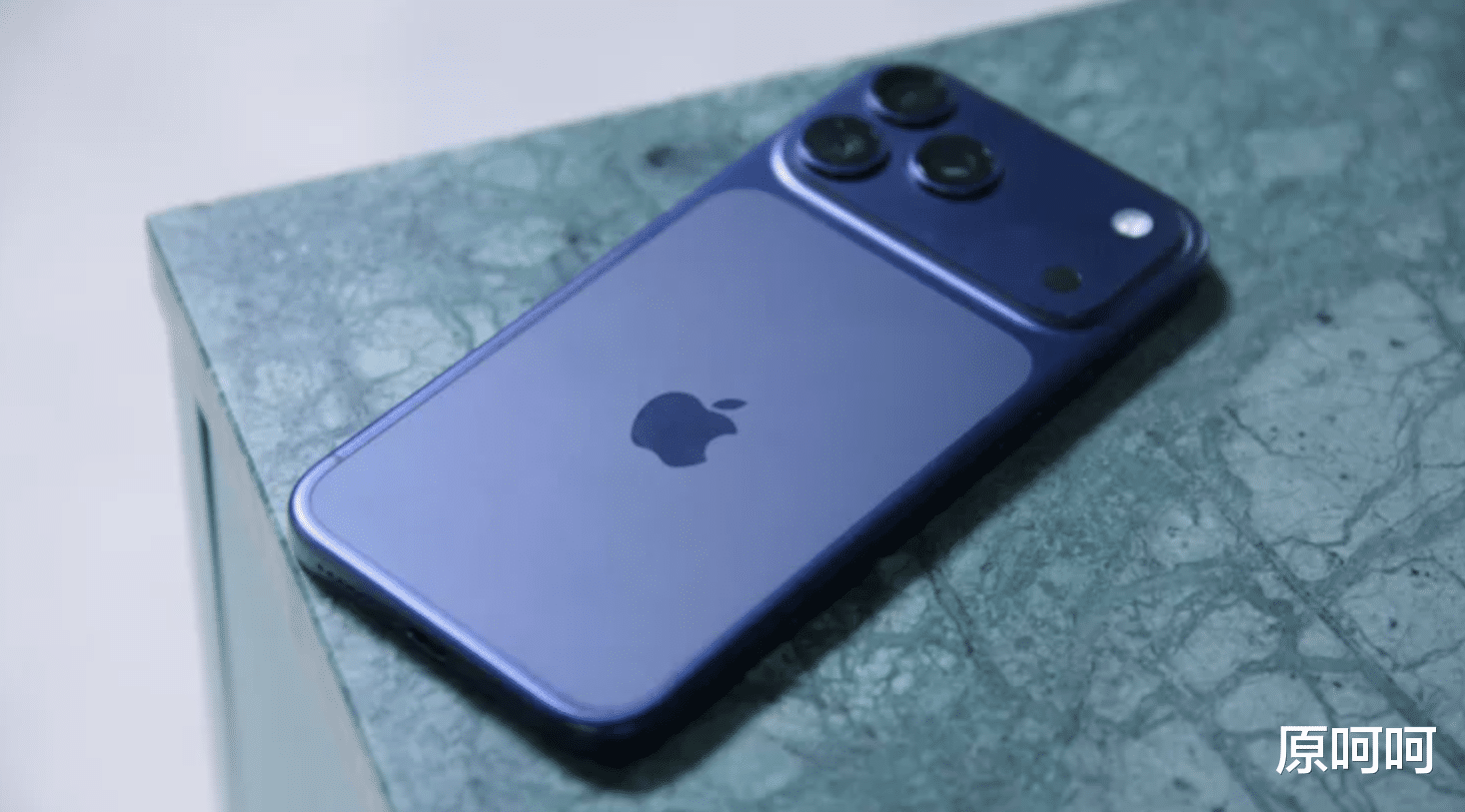
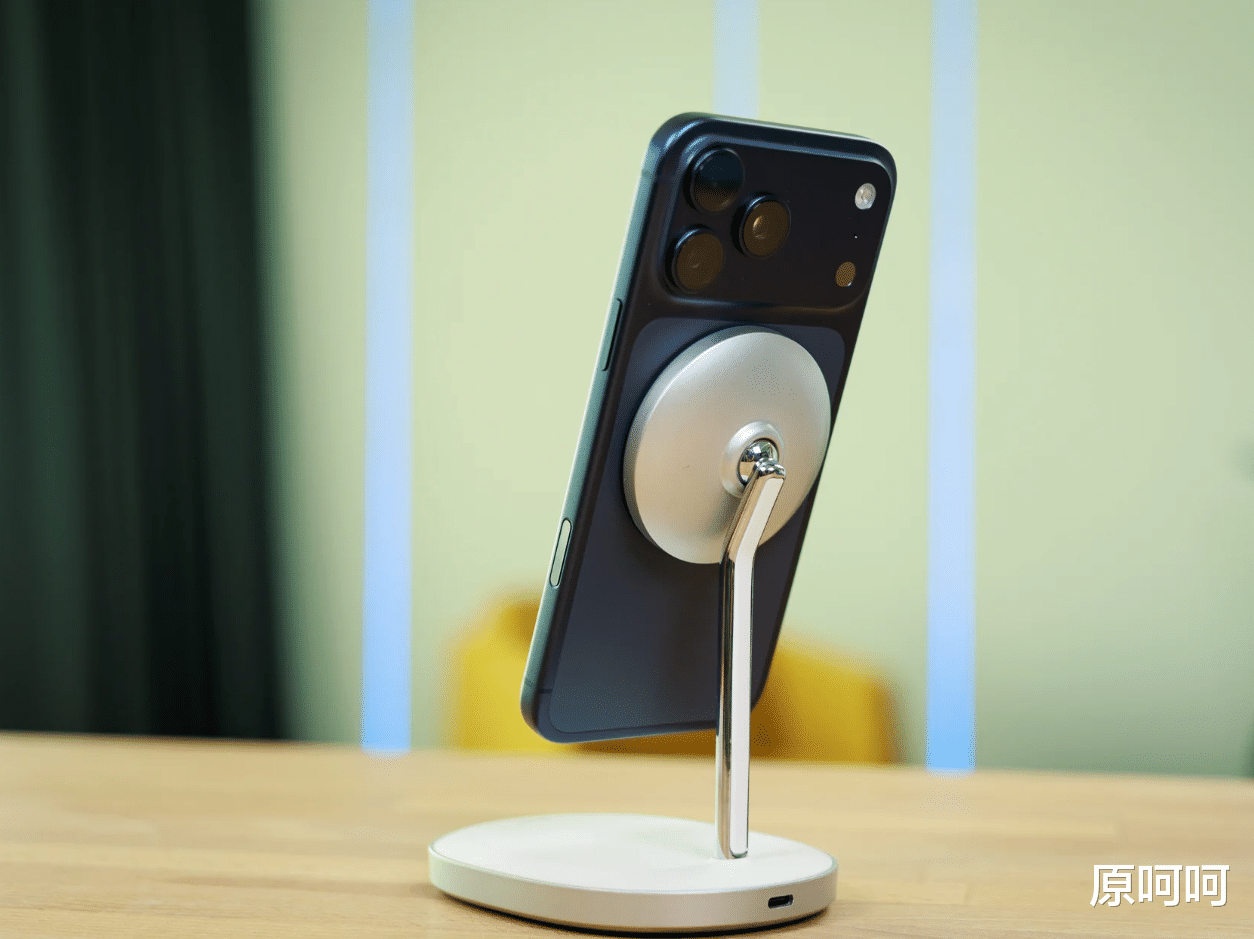
There’s a reason for this design. The glass is there to facilitate wireless charging. However, the previous glass-titanium interlayer was both aesthetically pleasing and practical. One positive aspect of the new design, though, is its slightly softer feel and more rounded frame. If you’re the type who doesn’t use a case, this phone is more user-friendly than the old one.

The massive camera bump is designed to maximize internal space and accommodate a larger battery. While I have some complaints about its appearance, it’s largely a good thing, given the 17 Pro Max’s incredible durability.
-

Inevitably, this results in a phone that is heavier and bulkier than the iPhone 17 Pro. It measures 78 x 8.75 x 163 mm, with the camera bump adding nearly half a centimeter to its thickness, and weighs 233 grams.

Although the anodized finish on this year’s iPhone Pro models is very robust—rated at 9 on the Mohs scale—some users are now reporting signs of wear around the top corners, revealing the aluminum finish underneath.

-

However, there are some welcome advantages, the first of which is the presence of Wi-Fi 7 connectivity. There’s also a new vapor chamber cooling system internally, which reduces temperature and extends battery life.

Display screen

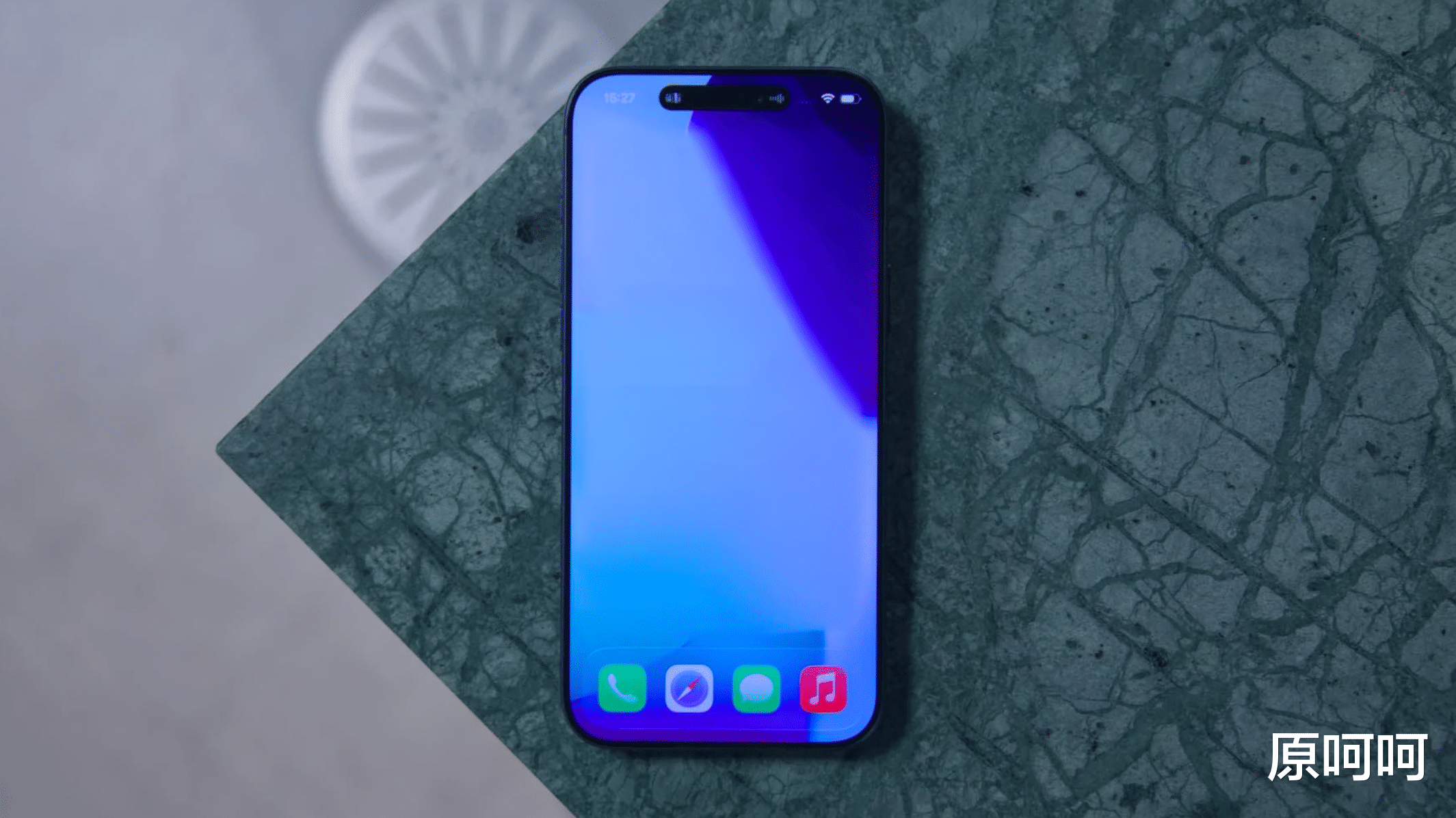
The iPhone 17 Pro Max features a Super Retina XDR display, which is essentially a high-quality OLED panel with a resolution of 1206 × 2622. It supports adaptive refresh rates from 1Hz to 120Hz, has a peak brightness of 3000 nits, and is covered with upgraded reinforced glass for more reliable protection during daily use.
-

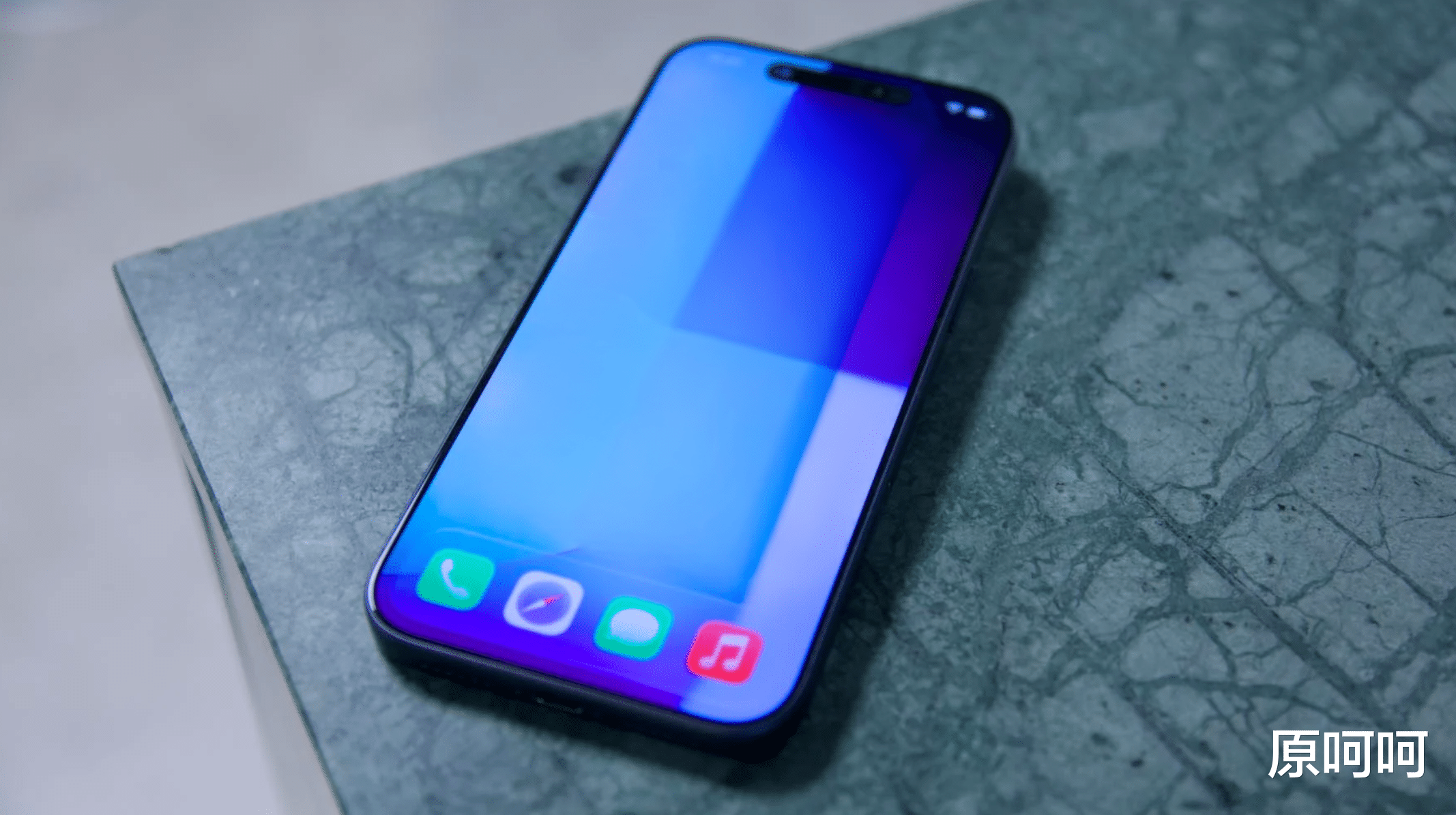
This screen offers the complete experience expected of a flagship model, including adaptive ambient color temperature, wide color gamut display, always-on mode, and dynamic information area. The overall viewing experience is delicate and clear, making it very comfortable for watching movies and browsing content.

In actual testing, the peak brightness only approaches the nominal value under extremely strong ambient light. When watching HDR content in a bright environment, the measured brightness is close to 2940 nits, while with automatic brightness turned off, the brightness in HDR mode is approximately 1640 nits, and for regular content, it remains stable at around 1000 nits. Even so, the screen remains clearly visible under any lighting conditions, and the reading and viewing experience is very stable.
-

It’s worth mentioning that this screen automatically dims to an extremely low brightness in low-light conditions, effectively reducing visual strain and making it especially suitable for viewing information in dim environments. In terms of color performance, its accuracy is equally impressive, producing natural and delicate images with virtually no color cast issues.

However, it should be noted that the screen’s dimming frequency is relatively low, which may cause discomfort for users who are sensitive to screen flicker during prolonged use. However, this is usually not noticeable in daily use.

Camera performance

In terms of imaging, the biggest change in the iPhone 17 Pro Max comes from the telephoto lens. Similar to the iPhone 17 Pro, this generation upgrades the telephoto lens from 12 megapixels to 48 megapixels, making the resolution of the three rear cameras the same for the first time, resulting in a significant improvement in overall resolution.
-

Somewhat surprisingly, while the telephoto lens upgraded its pixel count, the optical zoom ratio slightly decreased from 5x to 4x. Fortunately, the higher pixel count provides greater cropping flexibility, which compensates for this difference in actual image quality.

Looking at the specifications, you can see the so-called “8x optical quality zoom,” but in reality, this is achieved by cropping a 48-megapixel photo and outputting an image of about 12 megapixels, which does not truly restore the high resolution level.
-

It is important to note that when using the telephoto lens to shoot objects at a distance of approximately 85 centimeters or less, the system will automatically switch to the main camera and enable digital zoom. This process will not be clearly indicated to the user because the telephoto lens itself has a limited focusing distance.

Overall, the iPhone 17 Pro Max continues to perform well in still photography, but in terms of cost-effectiveness, some competing models offer more aggressive specifications, such as higher optical zoom and larger pixel main camera sensors, giving them an advantage in long-distance shooting.

-

In terms of video, although it does not include 8K recording, its 4K video capabilities are still at a leading level. It supports high frame rate shooting and has added a brand-new synchronization function, which can automatically align the timeline of footage shot by multiple devices, making it quite useful for professional users.

Unfortunately, the lens flare problem that has long plagued iPhones has not been completely resolved. In low-light environments, strong light sources in the image can sometimes cause ghosting in other areas, affecting image clarity. This remains a significant drawback for video creators.

-

The front camera has been upgraded, featuring an 18-megapixel f/1.9 selfie lens, combined with intelligent framing technology that can automatically recognize faces and adjust the composition.

Its square sensor design allows users greater freedom in both horizontal and vertical shooting, eliminating the need to frequently change how they hold the camera, making it suitable for video calls, selfies, and everyday recording. While the image quality still cannot compare to a rear camera, it offers reliable performance and significantly improved convenience in actual use.

Performance and battery life

In terms of performance, the new generation A19 Pro chip in the iPhone 17 Pro Max demonstrates the strongest computing power in the series to date, maintaining a consistently smooth performance whether in daily operations or high-load tasks.
-

This chip employs a six-core CPU architecture, comprising two high-performance cores and four energy-efficient cores, along with a six-core GPU and a 16-core neural engine specifically designed for local intelligent task processing. Its maximum operating frequency reaches 4.26GHz, representing a significant improvement over the previous generation chip in single-core, multi-core, and graphics processing capabilities, providing more robust performance support for complex scenarios.

In terms of actual performance, single-core computing still maintains a leading position, while multi-core and graphics performance tend to be more balanced. More noteworthy is the new vapor chamber cooling system. It effectively slows down performance degradation caused by overheating, allowing the device to maintain stable output even during prolonged high-intensity operation, resulting in a smoother performance decline and a more durable overall experience.
-

In terms of battery life, the iPhone 17 Pro Max also performs exceptionally well. Thanks to its larger body, its internal battery capacity is the highest in the series to date, easily lasting a full day or even longer under heavy usage. Test results show that its battery life is significantly better than other models in the same series, and it also breaks previous records for continuous use.

Overall, the iPhone 17 Pro Max demonstrates the stability and reliability expected of a flagship phone in terms of both performance and battery life, making it especially suitable for users who demand high performance and long battery life.

Summarize

Overall, the iPhone 17 Pro Max isn’t a “top-of-the-line” device in every aspect. Some comparable devices offer better value for money, and its design isn’t for everyone; its slightly bulky and heavy body might also deter some users.
-

However, its success doesn’t rely on being number one in every niche. Instead, the iPhone 17 Pro Max’s strength lies in its balance—it has virtually no glaring weaknesses. It boasts excellent performance, a sharp screen, powerful imaging capabilities, and highly competitive battery life, delivering a stable and reliable overall experience.

Considering overall value, portability, and performance, the iPhone 17 Pro remains the more attractive option in this generation. However, if you prefer a larger screen and want longer battery life and a more immersive user experience, the iPhone 17 Pro Max is still worth considering and is unlikely to disappoint.

If you enjoyed this article, please consider giving a tip! Also, don’t forget to share, like, comment, and follow!

本文原呵呵科技原创,转载请注明出处。

作者: 原呵呵科技

上一篇
下一篇
广告位

广告

发表回复

您的电子邮箱地址不会被公开。 必填项已用*标注

Ad - Google

联系我们

联系我们

在线咨询: QQ交谈

邮箱: 1039034066@qq.com

工作时间:周一至周五,9:00-17:30,节假日休息

关注微信
微信扫一扫关注我们

微信扫一扫关注我们

关注微博
返回顶部
zh_CN简体中文

Hello! I’m Yuan Hehe. Please follow me for more exciting content. iPhone 17 Pro Max review

The iPhone 17 Pro Max presents smartphone reviewers with a unique question. On the surface, it’s the best iPhone you can buy—the one with the largest display and longest battery life. It’s also the only one with 2TB of storage.

-

However, I find myself more inclined to recommend the iPhone 17 Pro this year than Apple’s behemoth. Why? The smaller model’s battery life is good enough now, and its more compact size has a greater advantage over the larger screen on the 17 Pro Max.

However, this doesn’t mean the 17 Pro Max won’t be better for some people. It’s actually not worse than the 17 Pro—I just prefer the smaller phone.

Design and new features

To be honest, I don’t like it, especially the two-tone aluminum and glass back and the huge camera bump, which Apple euphemistically calls a “plateau”—seemingly to mitigate the impact of its size and ugliness. It’s the largest iPhone in the series, and definitely not to be missed.

-

There’s a reason for this design. The glass is there to facilitate wireless charging. However, the previous glass-titanium interlayer was both aesthetically pleasing and practical. One positive aspect of the new design, though, is its slightly softer feel and more rounded frame. If you’re the type who doesn’t use a case, this phone is more user-friendly than the old one.

The massive camera bump is designed to maximize internal space and accommodate a larger battery. While I have some complaints about its appearance, it’s largely a good thing, given the 17 Pro Max’s incredible durability.

-

Inevitably, this results in a phone that is heavier and bulkier than the iPhone 17 Pro. It measures 78 x 8.75 x 163 mm, with the camera bump adding nearly half a centimeter to its thickness, and weighs 233 grams.

Although the anodized finish on this year’s iPhone Pro models is very robust—rated at 9 on the Mohs scale—some users are now reporting signs of wear around the top corners, revealing the aluminum finish underneath.

-

However, there are some welcome advantages, the first of which is the presence of Wi-Fi 7 connectivity. There’s also a new vapor chamber cooling system internally, which reduces temperature and extends battery life.

Display screen

The iPhone 17 Pro Max features a Super Retina XDR display, which is essentially a high-quality OLED panel with a resolution of 1206 × 2622. It supports adaptive refresh rates from 1Hz to 120Hz, has a peak brightness of 3000 nits, and is covered with upgraded reinforced glass for more reliable protection during daily use.

-

This screen offers the complete experience expected of a flagship model, including adaptive ambient color temperature, wide color gamut display, always-on mode, and dynamic information area. The overall viewing experience is delicate and clear, making it very comfortable for watching movies and browsing content.

In actual testing, the peak brightness only approaches the nominal value under extremely strong ambient light. When watching HDR content in a bright environment, the measured brightness is close to 2940 nits, while with automatic brightness turned off, the brightness in HDR mode is approximately 1640 nits, and for regular content, it remains stable at around 1000 nits. Even so, the screen remains clearly visible under any lighting conditions, and the reading and viewing experience is very stable.

-

It’s worth mentioning that this screen automatically dims to an extremely low brightness in low-light conditions, effectively reducing visual strain and making it especially suitable for viewing information in dim environments. In terms of color performance, its accuracy is equally impressive, producing natural and delicate images with virtually no color cast issues.

However, it should be noted that the screen’s dimming frequency is relatively low, which may cause discomfort for users who are sensitive to screen flicker during prolonged use. However, this is usually not noticeable in daily use.

Camera performance

In terms of imaging, the biggest change in the iPhone 17 Pro Max comes from the telephoto lens. Similar to the iPhone 17 Pro, this generation upgrades the telephoto lens from 12 megapixels to 48 megapixels, making the resolution of the three rear cameras the same for the first time, resulting in a significant improvement in overall resolution.

-

Somewhat surprisingly, while the telephoto lens upgraded its pixel count, the optical zoom ratio slightly decreased from 5x to 4x. Fortunately, the higher pixel count provides greater cropping flexibility, which compensates for this difference in actual image quality.

Looking at the specifications, you can see the so-called “8x optical quality zoom,” but in reality, this is achieved by cropping a 48-megapixel photo and outputting an image of about 12 megapixels, which does not truly restore the high resolution level.

-

It is important to note that when using the telephoto lens to shoot objects at a distance of approximately 85 centimeters or less, the system will automatically switch to the main camera and enable digital zoom. This process will not be clearly indicated to the user because the telephoto lens itself has a limited focusing distance.

Overall, the iPhone 17 Pro Max continues to perform well in still photography, but in terms of cost-effectiveness, some competing models offer more aggressive specifications, such as higher optical zoom and larger pixel main camera sensors, giving them an advantage in long-distance shooting.

-

In terms of video, although it does not include 8K recording, its 4K video capabilities are still at a leading level. It supports high frame rate shooting and has added a brand-new synchronization function, which can automatically align the timeline of footage shot by multiple devices, making it quite useful for professional users.

Unfortunately, the lens flare problem that has long plagued iPhones has not been completely resolved. In low-light environments, strong light sources in the image can sometimes cause ghosting in other areas, affecting image clarity. This remains a significant drawback for video creators.

-

The front camera has been upgraded, featuring an 18-megapixel f/1.9 selfie lens, combined with intelligent framing technology that can automatically recognize faces and adjust the composition.

Its square sensor design allows users greater freedom in both horizontal and vertical shooting, eliminating the need to frequently change how they hold the camera, making it suitable for video calls, selfies, and everyday recording. While the image quality still cannot compare to a rear camera, it offers reliable performance and significantly improved convenience in actual use.

Performance and battery life

In terms of performance, the new generation A19 Pro chip in the iPhone 17 Pro Max demonstrates the strongest computing power in the series to date, maintaining a consistently smooth performance whether in daily operations or high-load tasks.

-

This chip employs a six-core CPU architecture, comprising two high-performance cores and four energy-efficient cores, along with a six-core GPU and a 16-core neural engine specifically designed for local intelligent task processing. Its maximum operating frequency reaches 4.26GHz, representing a significant improvement over the previous generation chip in single-core, multi-core, and graphics processing capabilities, providing more robust performance support for complex scenarios.

In terms of actual performance, single-core computing still maintains a leading position, while multi-core and graphics performance tend to be more balanced. More noteworthy is the new vapor chamber cooling system. It effectively slows down performance degradation caused by overheating, allowing the device to maintain stable output even during prolonged high-intensity operation, resulting in a smoother performance decline and a more durable overall experience.

-

In terms of battery life, the iPhone 17 Pro Max also performs exceptionally well. Thanks to its larger body, its internal battery capacity is the highest in the series to date, easily lasting a full day or even longer under heavy usage. Test results show that its battery life is significantly better than other models in the same series, and it also breaks previous records for continuous use.

Overall, the iPhone 17 Pro Max demonstrates the stability and reliability expected of a flagship phone in terms of both performance and battery life, making it especially suitable for users who demand high performance and long battery life.

Summarize

Overall, the iPhone 17 Pro Max isn’t a “top-of-the-line” device in every aspect. Some comparable devices offer better value for money, and its design isn’t for everyone; its slightly bulky and heavy body might also deter some users.

-

However, its success doesn’t rely on being number one in every niche. Instead, the iPhone 17 Pro Max’s strength lies in its balance—it has virtually no glaring weaknesses. It boasts excellent performance, a sharp screen, powerful imaging capabilities, and highly competitive battery life, delivering a stable and reliable overall experience.

Considering overall value, portability, and performance, the iPhone 17 Pro remains the more attractive option in this generation. However, if you prefer a larger screen and want longer battery life and a more immersive user experience, the iPhone 17 Pro Max is still worth considering and is unlikely to disappoint.

If you enjoyed this article, please consider giving a tip! Also, don’t forget to share, like, comment, and follow!