
Hello! I’m Yuan Hehe. Please follow me for more exciting content. 2025 Best iPhone
We conduct comprehensive testing and reviews of every latest iPhone, including the newly released iPhone Air and iPhone 17 series. Below are some of our recommended latest models based on different user needs.
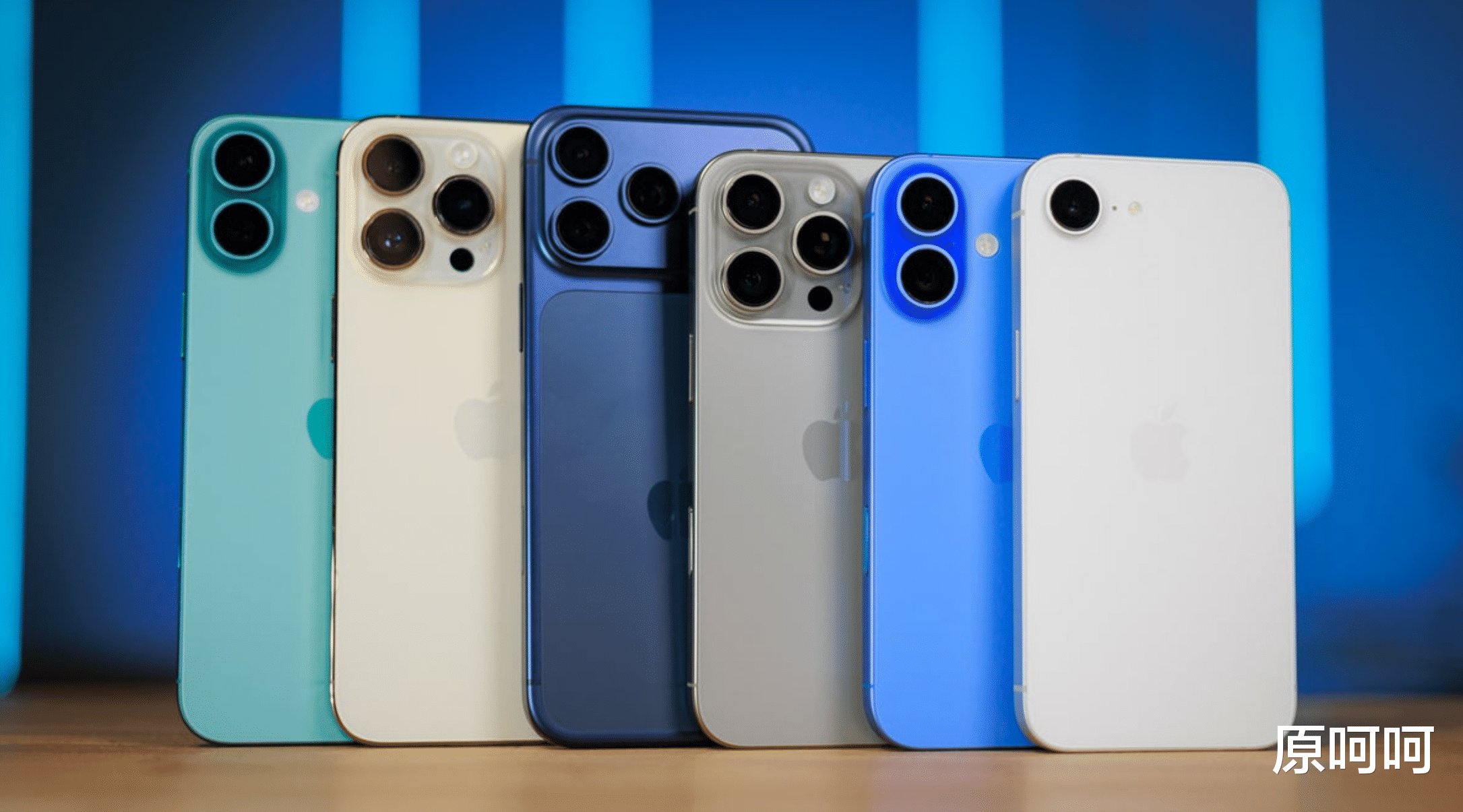
The new generation iPhone 17 series and the slimmer iPhone Air are now available, replacing the previous generation iPhone 16 series and becoming Apple’s top flagship models.
We conducted a detailed review of the iPhone Air, and also thoroughly tested the iPhone 17, as well as the more powerful iPhone 17 Pro and 17 Pro Max, compiling them into our list of the best iPhones. Let’s take a look at the phones on our list!
Best iPhone: iPhone 17
The iPhone 17 represents a significant reduction in the gap between Apple’s base and Pro models. This phone not only features many of the same camera functions as the iPhone 17 Pro and Pro Max, such as dual-camera setups and a people-centered mode, but also debuts a 1-120Hz adaptive refresh rate screen, delivering a smooth scrolling experience and always-on display for checking notifications anytime.
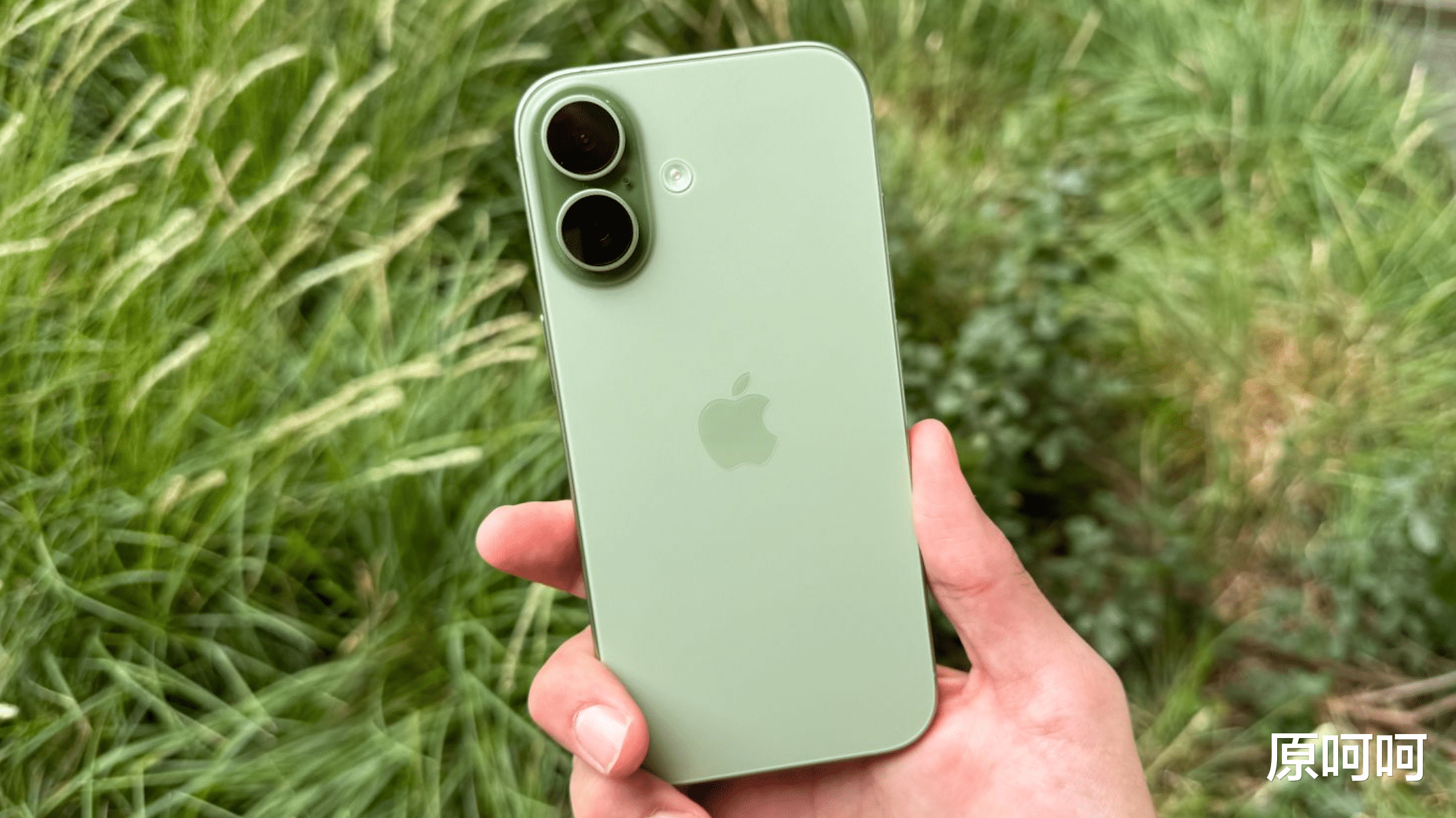
The iPhone 17 with iOS 26 allows users to experience some of Apple’s most popular new software features, such as real-time translation, call filtering, and the redesigned Liquid Glass interface, without paying a higher price, despite slight reductions in battery life and camera performance.
As a base model, the iPhone 17 shares many hardware and software features with the iPhone 17 Pro series, making it an excellent choice for users seeking value for money. While its appearance is almost identical to last year’s iPhone 16, its longer battery life, faster charging speeds, and upgraded camera set it apart from other models in its class.
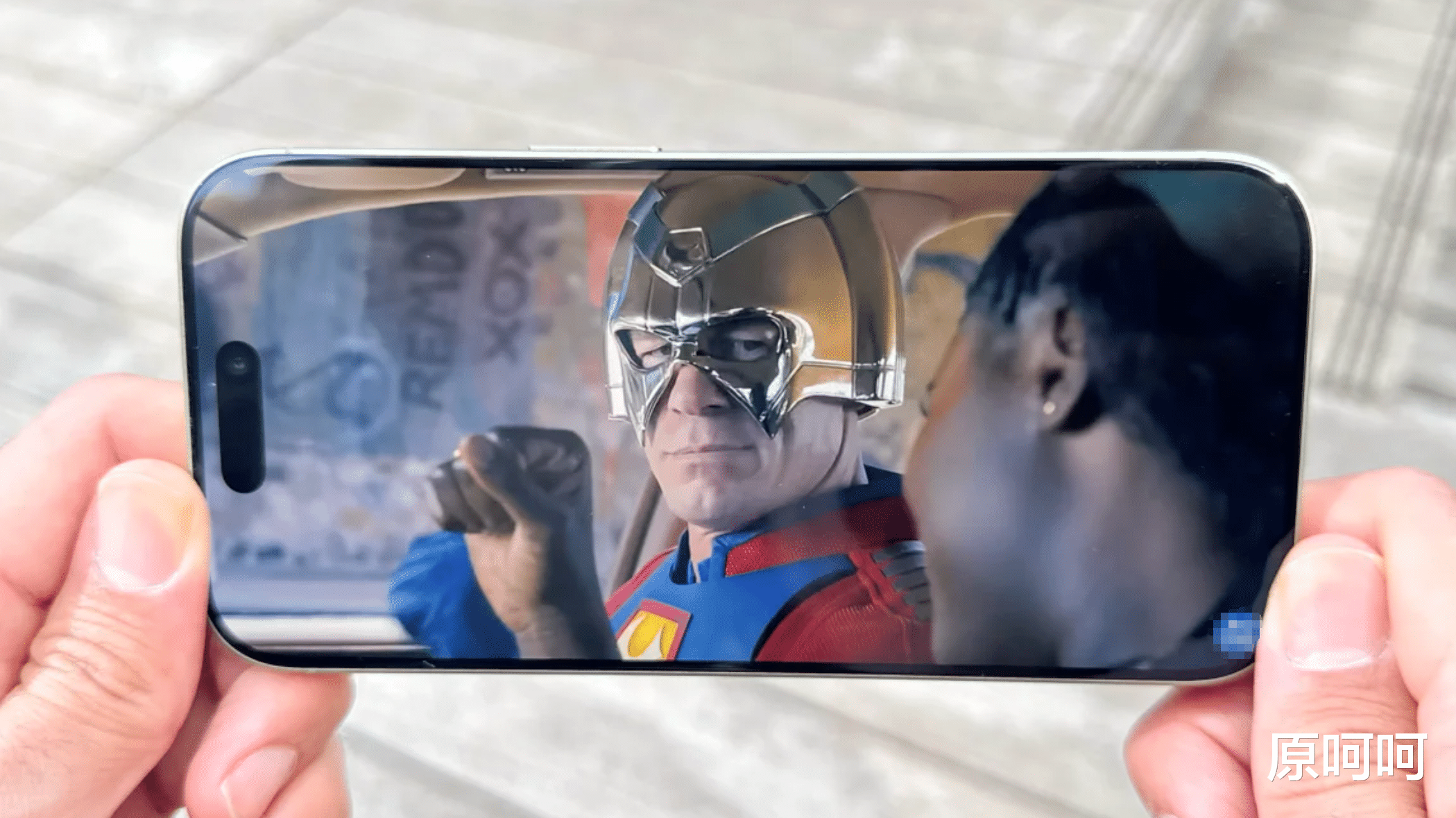
The iPhone 17 is suitable for the average user, boasting excellent camera performance, long battery life, and a high-quality display. For users who don’t prefer large-screen phones, the iPhone 17’s size is also very suitable.
If you’re a photography enthusiast and a frequent phone user, the iPhone 17 Pro series might be a better fit, boasting a more powerful telephoto lens and longer battery life. However, for light users, choosing the more cost-effective entry-level model can help you save more money while still enjoying Apple’s excellent experience.
Top-of-the-line iPhones: iPhone 17 Pro and 17 Pro Max
The redesigned iPhone 17 Pro and 17 Pro Max garnered significant attention upon their release, breaking away from Apple’s traditionally understated design style. The rear camera on both new models no longer features the simple square protrusion of the past, but has evolved into a horizontal strip design that runs the length of the device, which Apple calls the “camera plateau.” Furthermore, the iPhone 17 Pro and Pro Max introduced new color options, with the Cosmic Orange being particularly eye-catching and showcasing a unique personality.

In actual use, I was very impressed with the performance of these two Pro phones. Even after a full day of heavy use, the iPhone 17 Pro Max still had over 22% battery remaining. Its battery life is exceptionally good, making it arguably Apple’s best-performing phone in terms of battery life to date.
The iPhone 17 Pro and Pro Max feature identical rear camera configurations, both equipped with a 48MP sensor. Users can choose between 12MP, 24MP, or 48MP resolutions from the wide-angle, ultra-wide-angle, and telephoto lenses, depending on their needs. Compared to the 12MP 5x telephoto lens of the previous generation iPhone 16 Pro, the new telephoto camera boasts a 56% larger light-sensitive area and a new 4x telephoto lens. While the optical zoom ratio is slightly reduced, the 4x telephoto delivers superior portrait photography, with significantly improved detail and dynamic range.

Both Pro models also feature Apple’s latest “Center Stage” selfie camera. It not only increases the selfie resolution from 12 megapixels on the iPhone 16 Pro to 18 megapixels, but also uses a new square image sensor, allowing users more flexibility in taking selfies, even holding the phone vertically for horizontal shooting.
Compared to the iPhone Air, the 17 Pro and Pro Max are bolder and more powerful. The iPhone Air is characterized by its slim and lightweight design and single rear camera, but it has shorter battery life and a more affordable price. The iPhone 17 Pro and Pro Max, on the other hand, offer significant improvements in performance, battery life, and features, particularly in battery life, screen brightness, the selfie camera, and iOS 26, showcasing Apple’s continuous innovation in mobile phone technology.
Best stylish phone: iPhone Air
The iPhone Air is an ideal choice for users who seek an ultra-thin and uniquely designed device, especially those looking for a device that stands out from the crowd.
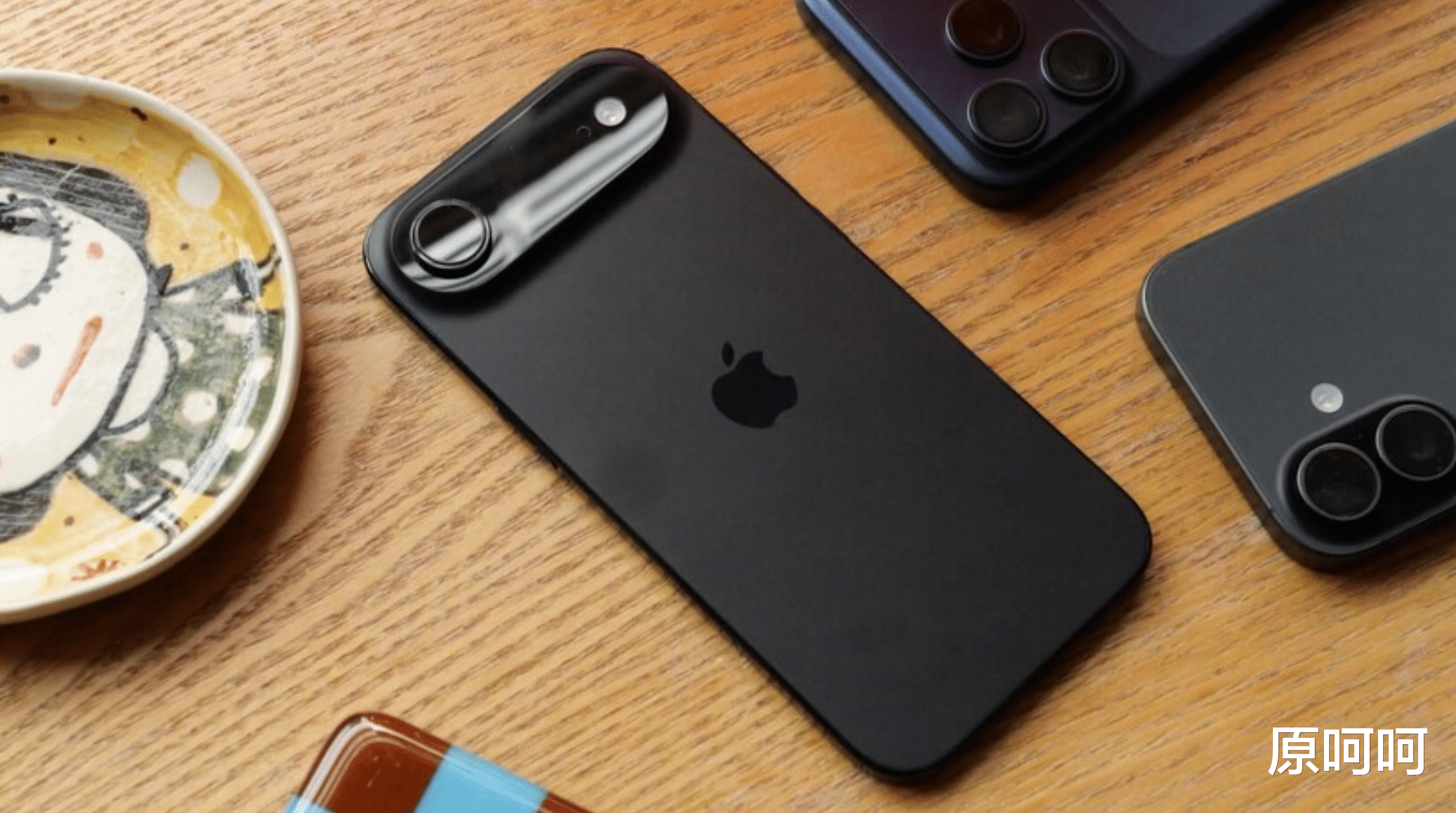
Its slim design is astonishing, measuring only 5.6 millimeters thick and weighing just 165 grams. Despite its lightweight nature, the iPhone Air remains robust, with a titanium frame, Ceramic Shield front panel, and ceramic back ensuring its durability in everyday use. The large 6.5-inch screen not only makes it more comfortable to hold but also enhances the experience of watching videos and playing games.
However, as an ultra-thin phone, the iPhone Air also comes with some trade-offs. These trade-offs are especially important given its high price. Its thinner battery may result in slightly reduced battery life under heavy use, and the single rear camera means it cannot take ultra-wide-angle photos or use the cinematic effects mode in video.

Furthermore, the iPhone Air features a single speaker instead of the dual-speaker system found in other models, which may affect its audio performance. Its maximum charging power is 20 watts, which is slower compared to the 40 watts of fast charging on other models. However, if you don’t mind these compromises, the iPhone Air is still a stylish device worth considering.
While annual phone upgrades often seem to offer little change, the iPhone Air breaks this convention with its bold design. Its ultra-thin body, comparable to some well-known ultra-thin phones, provides a comfortable grip and won’t add much burden to your pocket or bag. Although battery life may be slightly less efficient under heavy use, the iPhone Air still performs excellently under moderate use, perfectly adequate for everyday tasks.
Best entry-level iPhone: iPhone 16e
The iPhone 16E cleverly combines elements of its predecessor in design and functionality, creating a device that appears entirely new. While the appearance and screen design are similar to its predecessor, its A18 processor feels somewhat conservative. Despite its affordable price, its technology is slightly outdated, and its price-performance ratio is not particularly appealing.
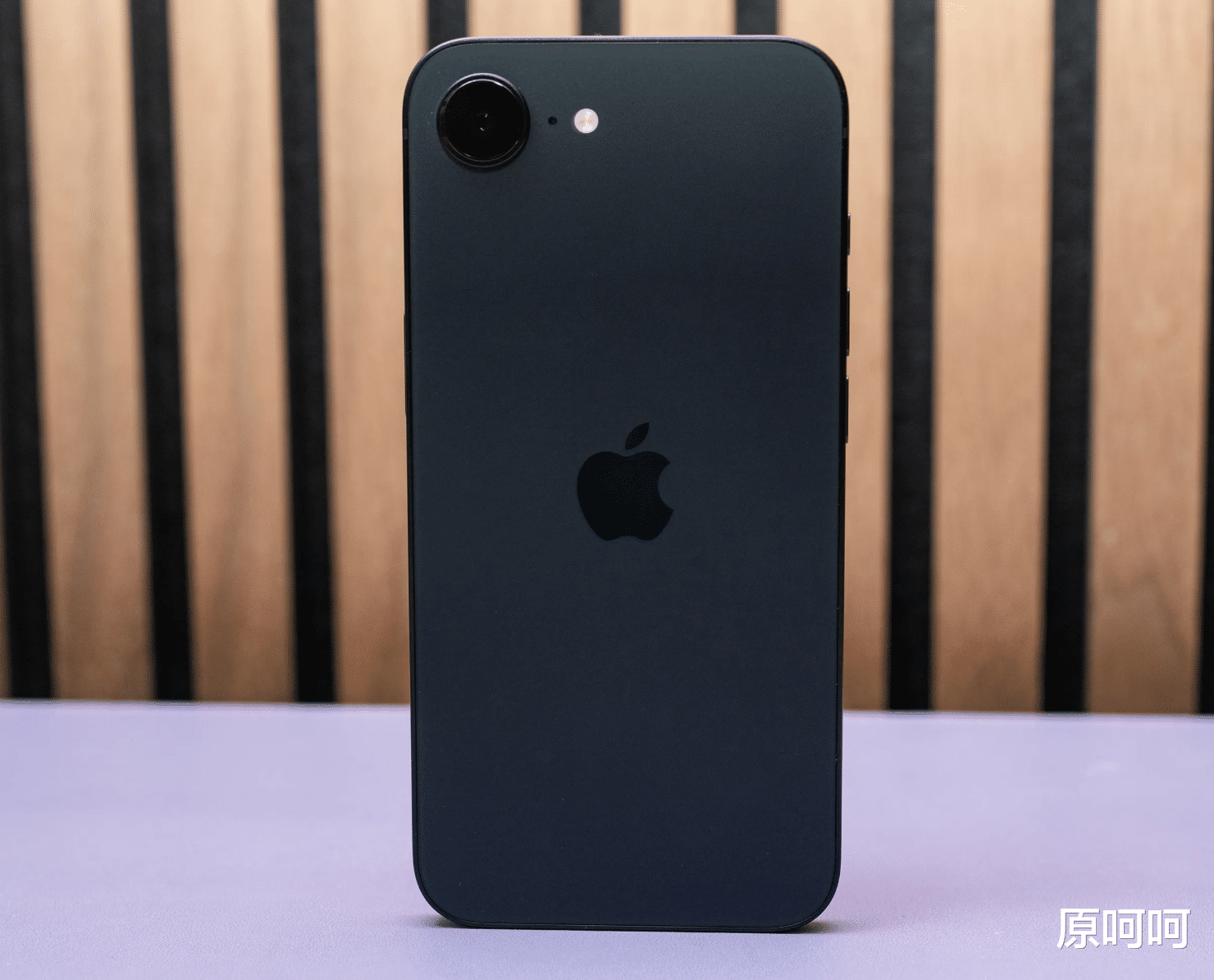
For users of older models like the iPhone SE, iPhone 11, or earlier, the iPhone 16E undoubtedly offers a significant upgrade—both in camera performance and battery life, although you might miss out on the ultra-wide-angle lens. This entry-level model is also a great option for Android users looking to experience the Apple ecosystem for the first time. Furthermore, carrier offers, discounts, and trade-in programs can further reduce the cost of acquiring this device.
After using the iPhone 16E, my biggest impression is that the overall user experience is relatively stable, without too many surprises. For users who use the iPhone as an everyday tool, the iPhone 16E is undoubtedly a good choice.
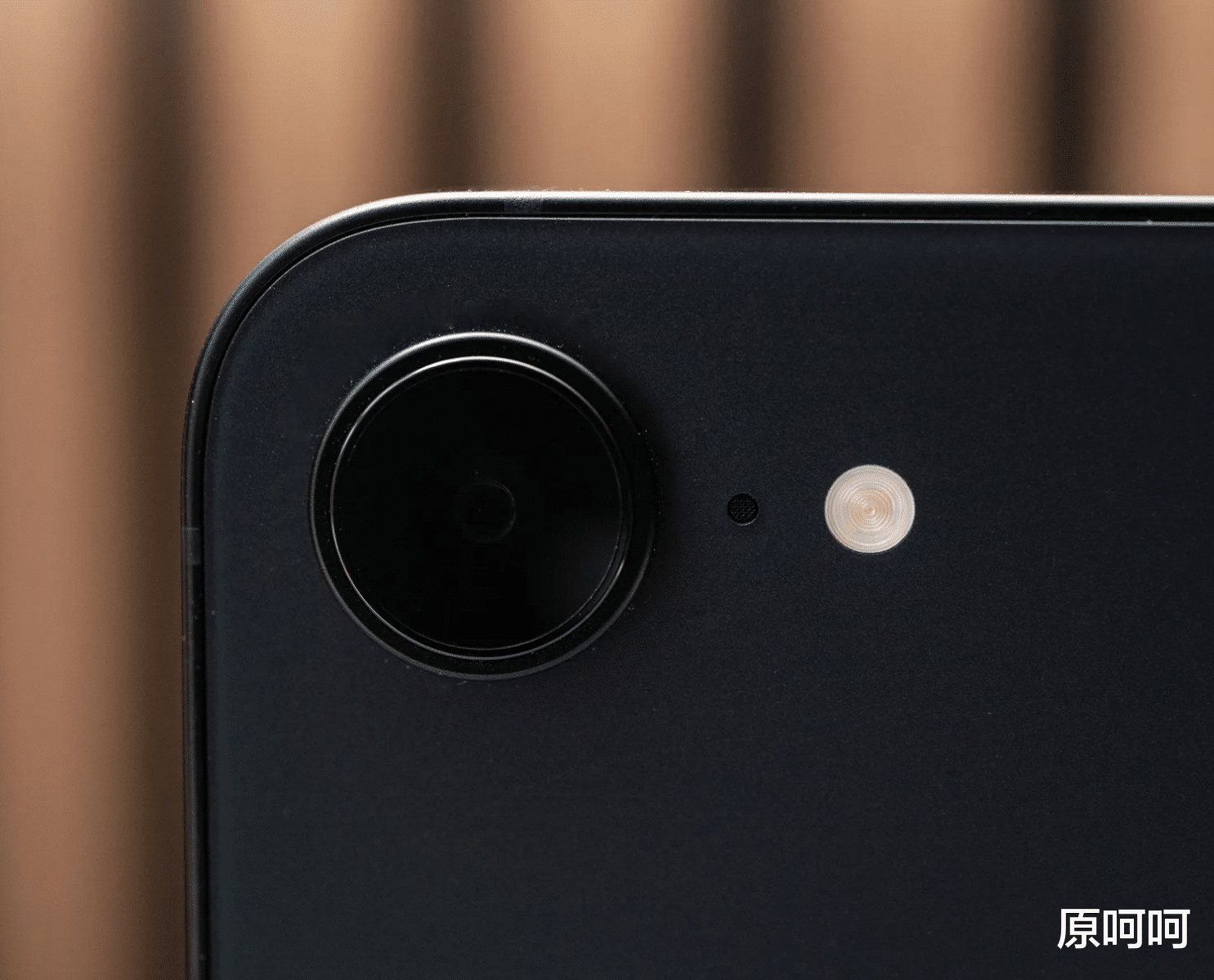
If you’re using an older iPhone, the iPhone 16E offers significant improvements in all aspects, especially in camera and battery life, with battery life sufficient to last a full day.
When choosing between the more expensive iPhone 16 and iPhone 16E, users with a larger budget may consider the regular 16. It features a brighter display, MagSafe support, and an ultra-wide-angle camera, ideal for close-up shots and precise focusing.
Alternative iPhone: iPhone 16
In our testing of the iPhone 16 and 16 Plus, we were impressed by their camera capabilities, user-friendly action buttons, and elegant design. While the iPhone 17 offers excellent value, the iPhone 16 remains a worthwhile option due to its more affordable price. The iPhone 16 and 16 Plus are undoubtedly ideal choices for Apple fans, especially considering their better-than-expected pricing.

One of the key highlights of the iPhone 16 and 16 Plus is the addition of Apple Intelligence, meaning they will be able to remain competitive for years to come. While the iPhone 16 differs slightly in screen size (6.1-inch standard version and 6.7-inch Plus version), battery capacity, and price, they are otherwise almost identical.
While the iPhone 16 isn’t a perfect choice, its overall performance is still quite excellent, meeting the core needs of most users. Its only drawbacks might be the lack of an always-on display and its wired charging speed, which remains relatively slow compared to other phones. However, it still satisfies the daily needs of most people and even offers some additional advantages.
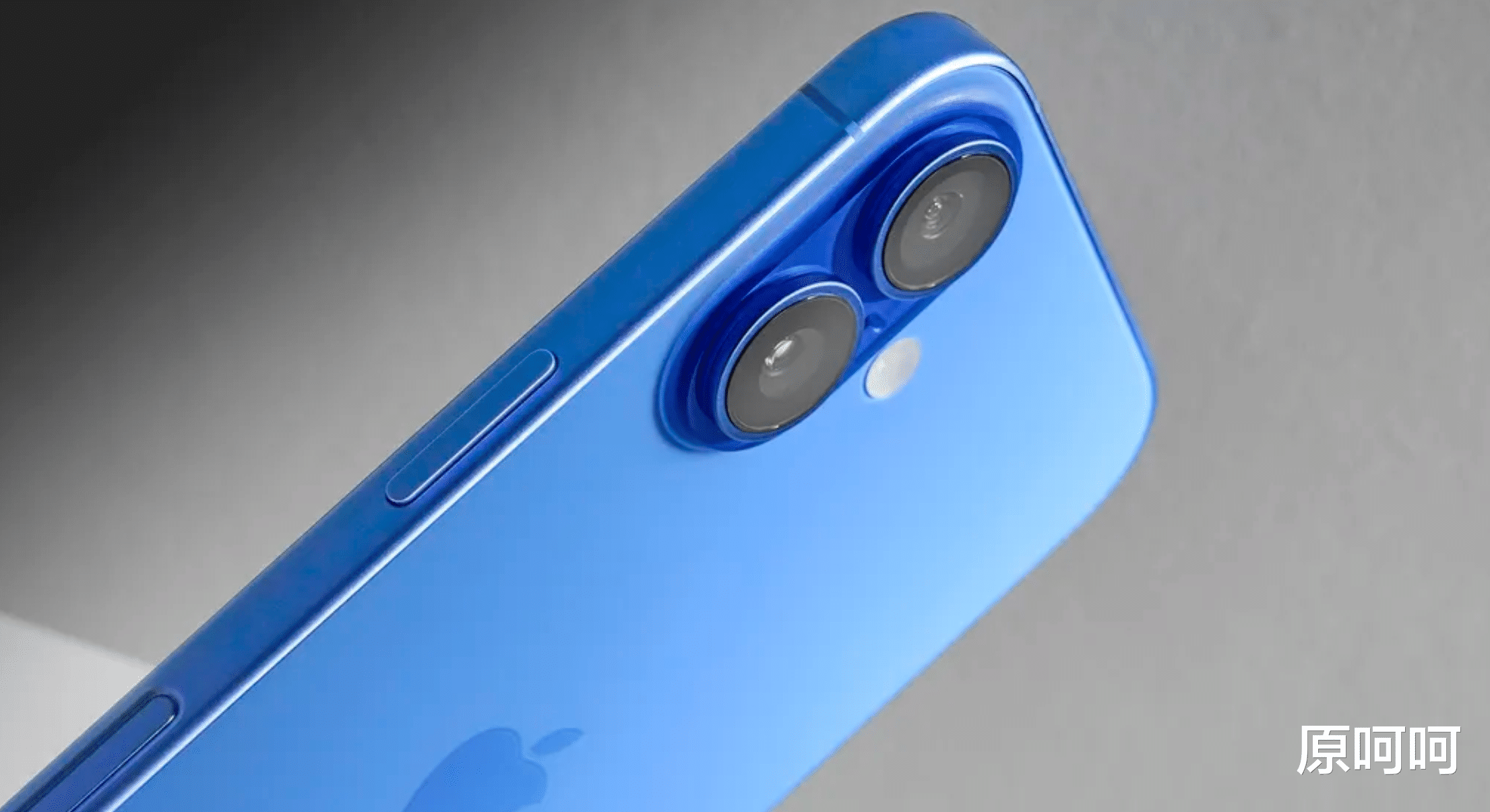
In my tests, the iPhone 16 and 16 Plus performed exceptionally well, making them suitable for both beginners and those needing higher performance. These two phones offer nearly 90% of the Apple Pro experience, but at a price hundreds of dollars lower. The iPhone 16 not only provides a superb out-of-the-box experience but also benefits from continuous software updates and security patches from Apple.
For users upgrading from older iPhones, especially those with the iPhone 13 or earlier, the iPhone 16 is undoubtedly a very attractive option. It meets most users’ needs for high performance and excellent camera capabilities without the higher price tag of the Pro models. If you don’t need the extra photography features and longer battery life of the Pro models, the iPhone 16 will definitely not disappoint.
If you enjoyed this article, please consider giving a tip! Also, don’t forget to share, like, comment, and follow!
 微信扫一扫打赏
 支付宝扫一扫打赏



 简体中文
简体中文  English