
Hello! I’m Yuan Hehe. Please follow me for more exciting content. 2026 best budget smartwatch
Not long ago, buying a fully functional and reliable smartwatch often meant a significant investment. Now, the situation has changed dramatically. In addition to high-end products, the market offers more and more affordable options that don’t compromise on functionality, making smart wearable devices more accessible to a wider range of people.
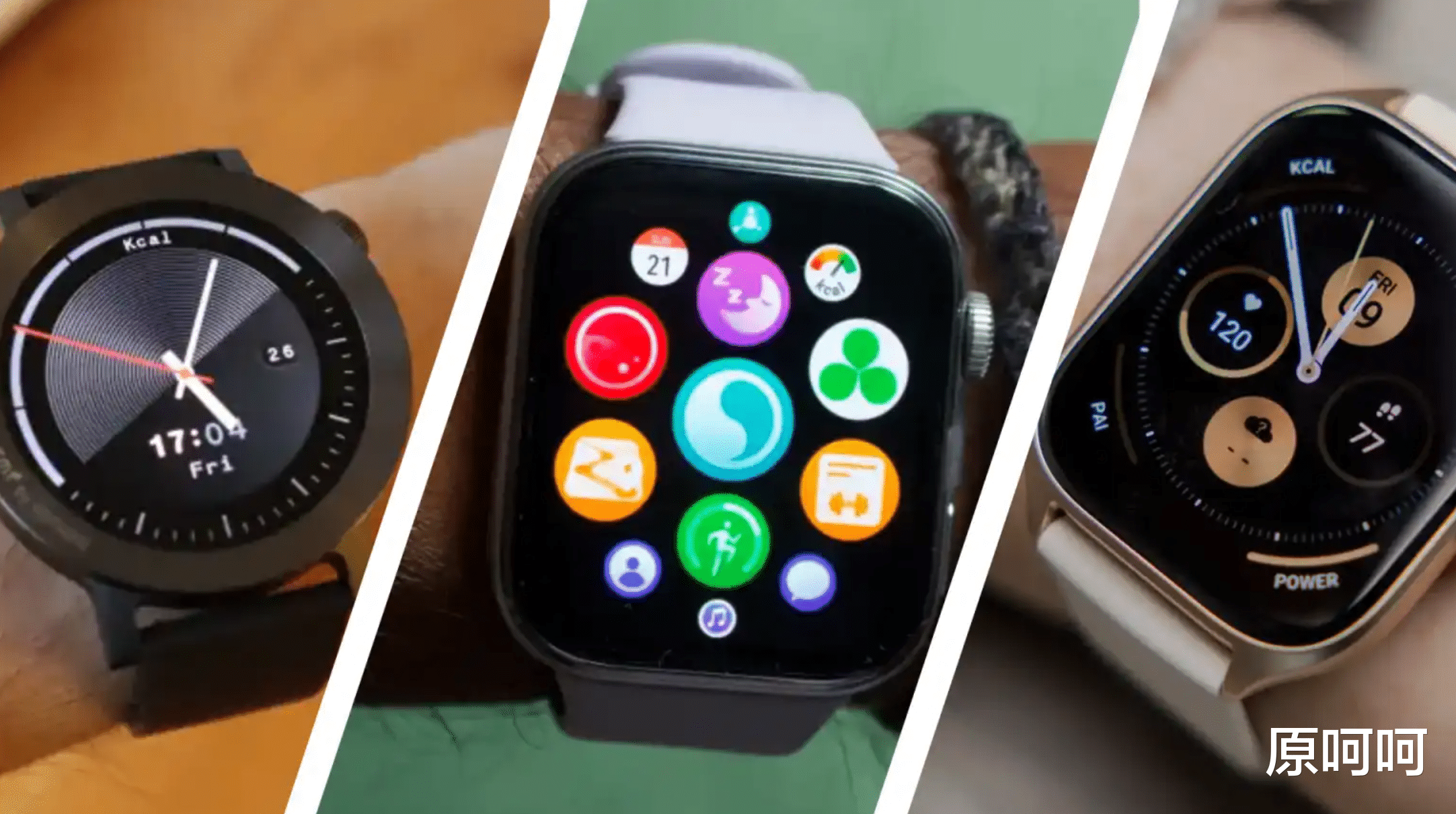
Even though many users still prefer high-end smartwatches with exquisite designs and mature ecosystems, it’s undeniable that entry-level and mid-range smartwatches have made significant progress in practicality. They don’t feel “compromising” in daily use; on the contrary, they are becoming increasingly sophisticated in terms of feature coverage and ease of use.
The wearable devices mentioned below have all undergone thorough testing and verification, demonstrating reliability in daily wear, functional stability, and practicality. They are noteworthy representatives among current affordable smartwatches.
Huawei Watch Fit 4 – The Most Balanced Choice in Overall Performance
At first glance, many people will feel a sense of familiarity with the Watch Fit 4. Its design language does indeed follow the current mainstream smartwatch design trend, with clean lines and harmonious proportions, making it both lightweight and unobtrusive when worn on the wrist. For many users, this “good-looking yet understated” design is more likely to be accepted in the long run.
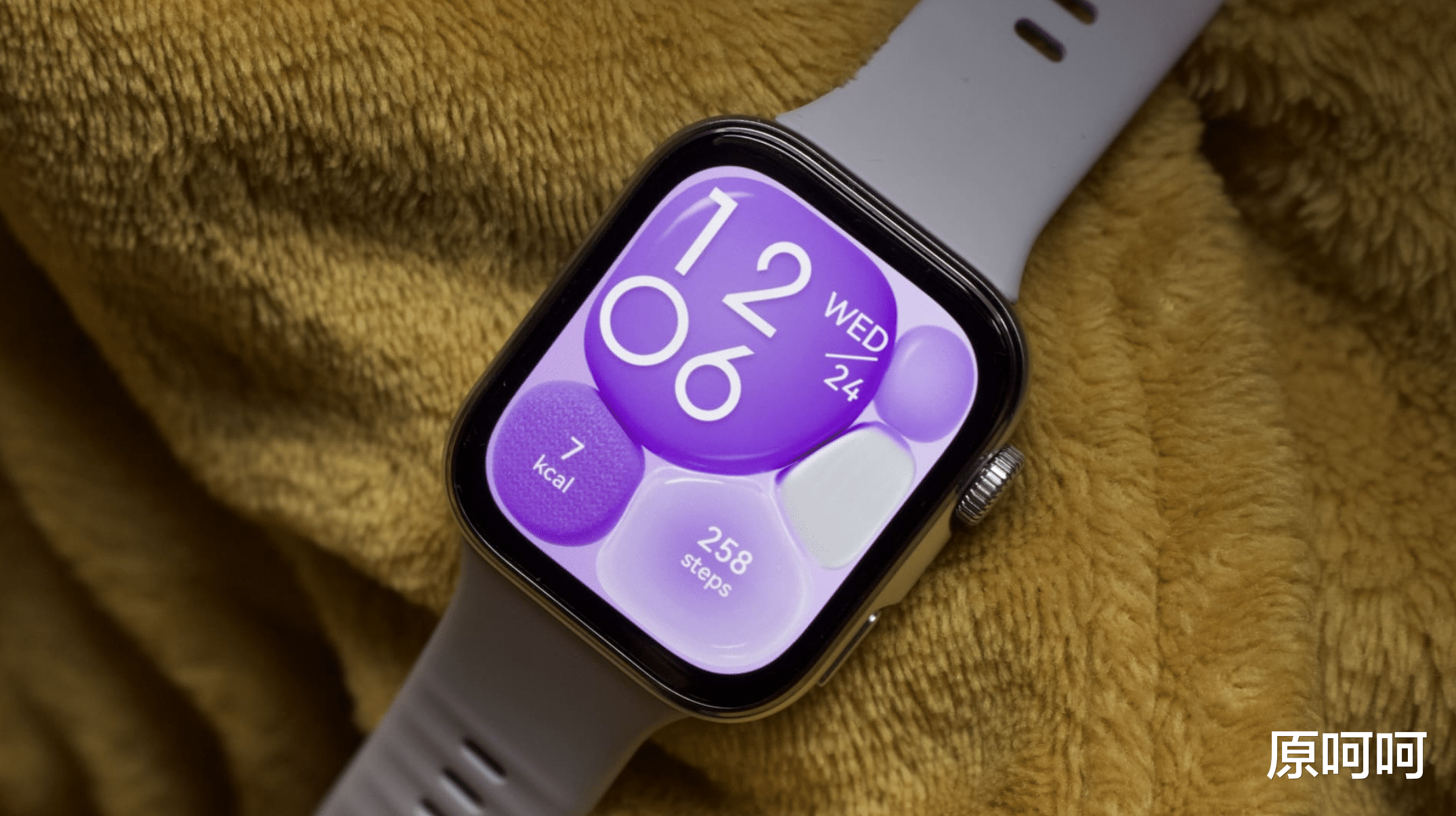
The screen is a major highlight of the Watch Fit 4. Its high brightness ensures clear readability even outdoors, eliminating the need to obstruct the view of activity data or notifications, even in direct sunlight. This is especially useful during daily runs, bike rides, or commutes, and gives it a more premium feel compared to similar products.
In terms of fitness features, the Watch Fit 4’s positioning is quite clear. Its dual-frequency positioning system provides more stable track recording, and for users who frequently engage in outdoor running or walking training, this accuracy will gradually demonstrate its value over long-term use. Combined with comprehensive sports and health data statistics, daily training and recovery progress can be clearly tracked.
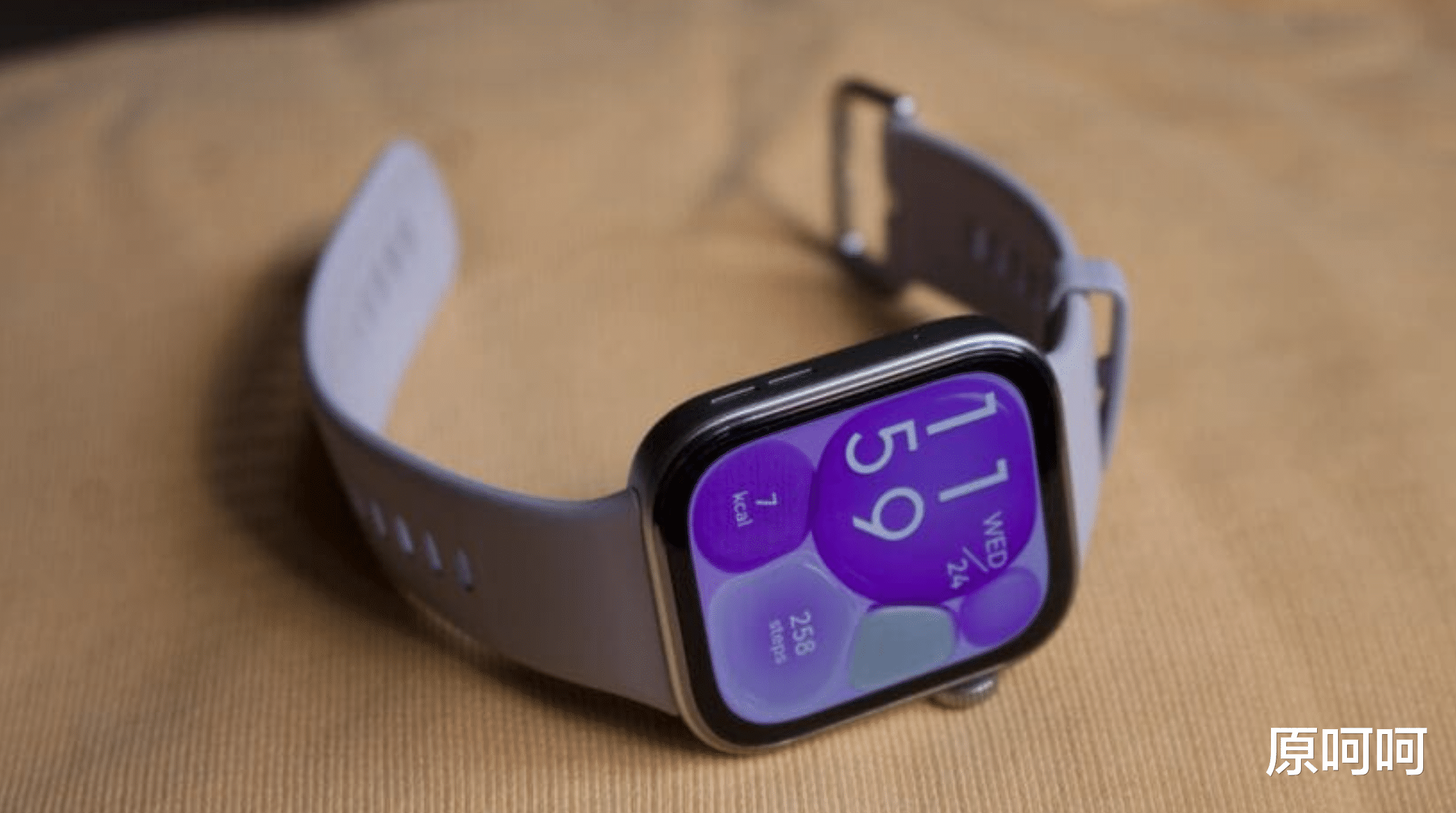
The battery life is also commendable. Under normal usage, it can last for a considerable period of time, so even short trips or brief outings don’t require frequent worries about battery life. This “low-distraction” user experience is more in line with most people’s expectations for smartwatches.
Overall, the Huawei Watch Fit 4 is a smartwatch with a clear design and well-defined trade-offs. It doesn’t try to cover every use case, but rather strikes a balance between wearing comfort, display quality, fitness tracking, and battery life. For users who don’t prioritize complex features and desire a stable experience, it’s a very reliable choice.
QY08 – A high-performance, sporty choice at a great price.
If you value athletic performance more than a fancy ecosystem, then the Qiyue QY08 is a very practical choice. It doesn’t try to imitate the appearance of high-end smartwatches, but instead focuses on core usage scenarios such as location tracking, activity recording, and outdoor reliability.
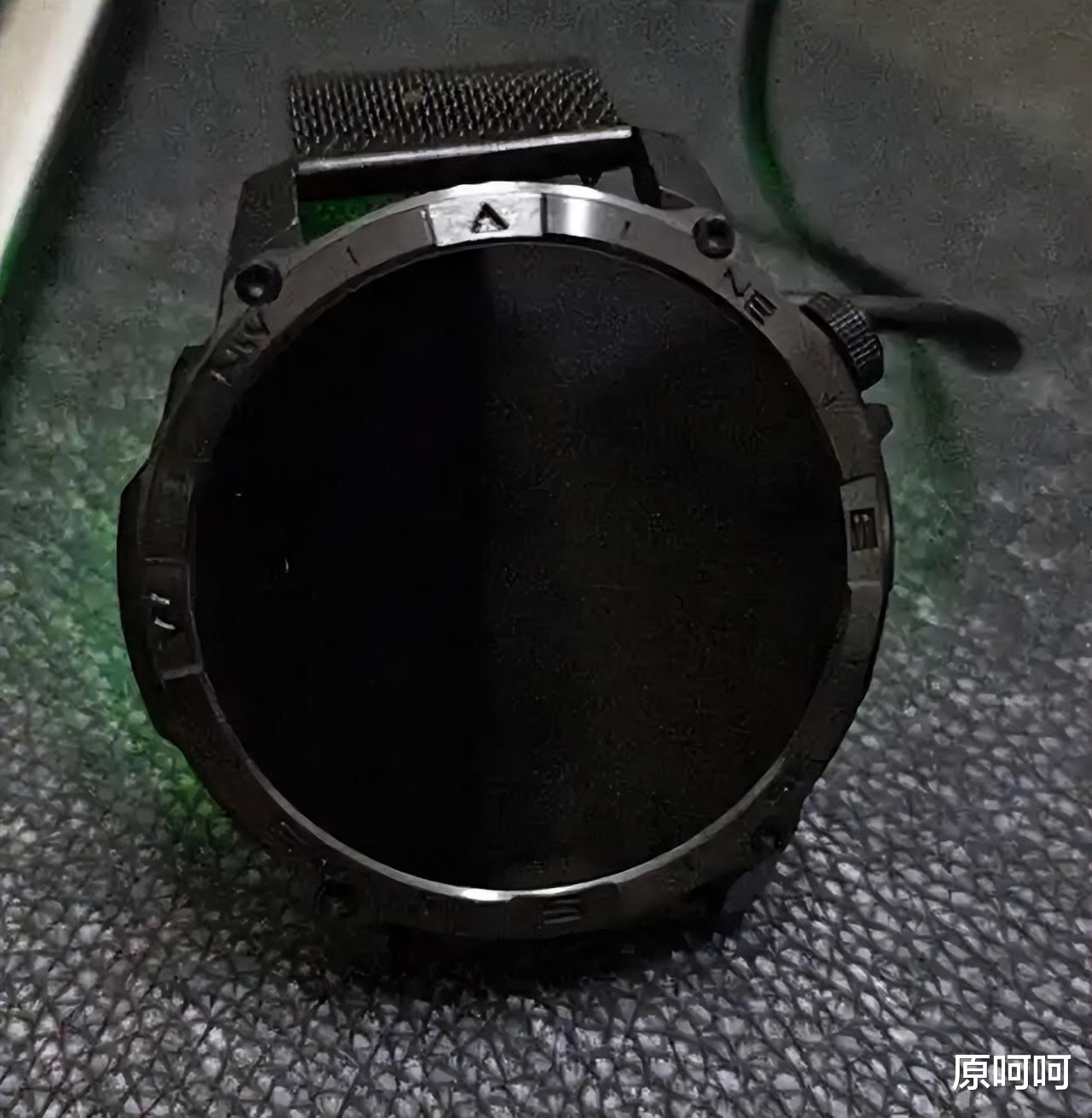
The QY08 features a 1.43-inch AMOLED circular screen, offering stable display clarity and brightness compared to other products in its class. It also supports always-on display, making it very intuitive to check data with a simple wrist raise. Functionally, this watch has clear advantages. It supports multi-satellite, multi-frequency GPS positioning, ensuring better positioning speed and track accuracy during outdoor activities such as running, cycling, or hiking.
Furthermore, the QY08 features a built-in barometer and altitude monitor, providing more intuitive information on altitude changes during mountaineering, hiking, or high-altitude environments—a feature not commonly found in products at this price point. Combined with 5ATM water resistance, it eliminates concerns about everyday sweating, rain, or shallow water use.
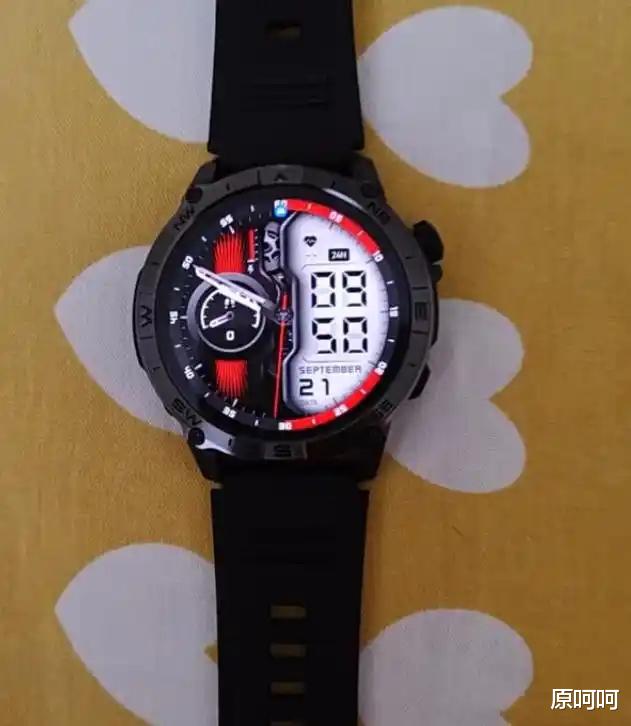
In terms of health monitoring, it supports 24/7 recording of basic health data such as heart rate, blood oxygen, and sleep. The data display is intuitive and suitable for users who want to track their daily condition rather than pursuing complex analysis. The number of sports modes covers common activities such as running, cycling, and fitness, and the recognition logic is geared towards practicality.
Battery life is also a strong point of the QY08. Under normal use, it can last for more than a week, and even with GPS enabled or high-frequency monitoring, it won’t frequently run out of battery.
Amazfit Active 2 – A Choice Based on Appearance
The Amazfit Active 2 emphasizes “good looks and comfortable wear.” It doesn’t try to challenge high-end smartwatches by piling on specifications, but instead focuses on design and everyday practicality, which is quite rare among products in the same class.

The entire watch features a stainless steel case with a delicate metallic reflective effect on the bezel, making it visually more refined than typical entry-level smartwatches. This is a plus for those who pay attention to their outfits and overall style.
Functionally, Active 2 offers a comprehensive fitness and health tracking system with hundreds of built-in sports modes. It can record daily exercise, sleep patterns, and recovery status. Its analysis of exercise rhythm and rest quality is relatively intuitive, making it suitable for understanding changes in one’s physical condition. However, its heart rate monitoring precision is more “reference-level,” making it better suited for daily observation rather than as a rigorous data source.
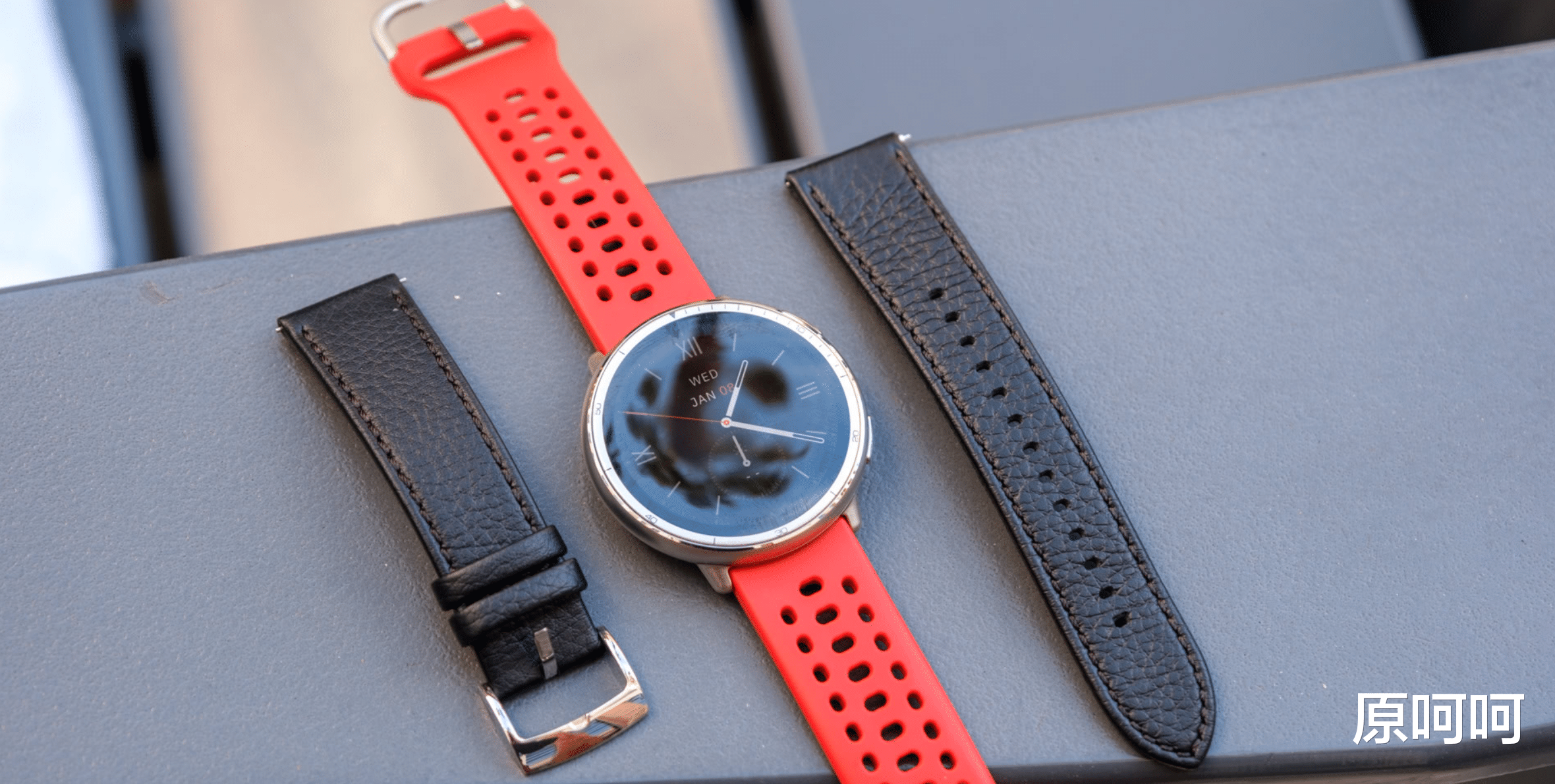
In terms of system experience, the interface logic is clear, and the operation response is smooth enough, making it easy to view data and switch functions. Overall, the user experience is stable and easy to use, without a complicated learning curve.
Overall, the Amazfit Active 2 is more like a smartwatch that emphasizes a balance between design and basic user experience. It’s suitable for users who want a watch that “looks like a watch” while still meeting their daily activity tracking and health management needs, rather than those seeking ultimate professional features or a deep ecosystem.
Apple Watch SE (2nd generation) – A reliable choice for iPhone users
If you’re using an iPhone and want a true smartwatch, rather than putting all your budget into a flagship model, then the second-generation Apple Watch SE is still a very safe choice.

Although the newer generation SE has been released, in terms of actual experience, the second-generation SE still possesses a fairly complete functional foundation. It retains the mature design, the system runs smoothly, the core experience is highly consistent with higher-end models, and it performs stably in terms of wearing comfort and daily reliability.
For users who value ecosystem integration, its advantages remain clear. It offers rich app support and high system integration, seamlessly integrating into daily use—whether receiving notifications, recording activity, or managing schedules and music—into the iPhone’s user habits without requiring any additional adaptation time.
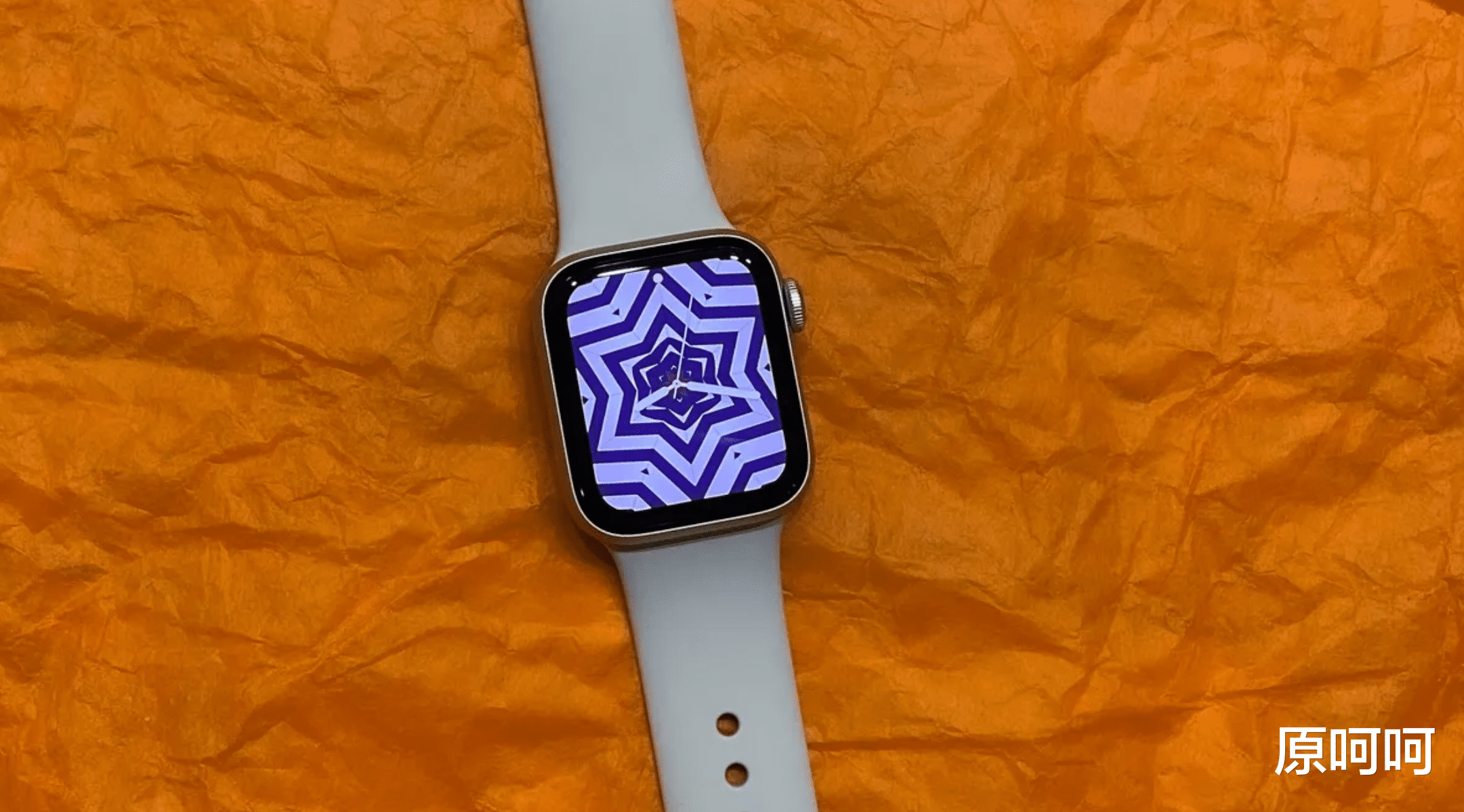
In terms of health and fitness, it covers the functions that most people will actually use. The recording logic is clear, and the data presentation is intuitive, without feeling overwhelming. The overall experience isn’t flashy, but it’s mature enough and worry-free enough.
If your need is for a reliable and long-lasting iPhone companion rather than chasing the latest hardware or cutting-edge features, then the Apple Watch SE (2nd generation) is still worth serious consideration.
Lesti Q3 – A choice for a more balanced battery life and practical experience
Among smartwatches that emphasize “sufficient functionality, durability, and complete features,” the Lesti Q3 is an easily underestimated choice. It doesn’t pursue a plethora of specifications, but rather focuses on a combination of features truly useful for everyday wear.
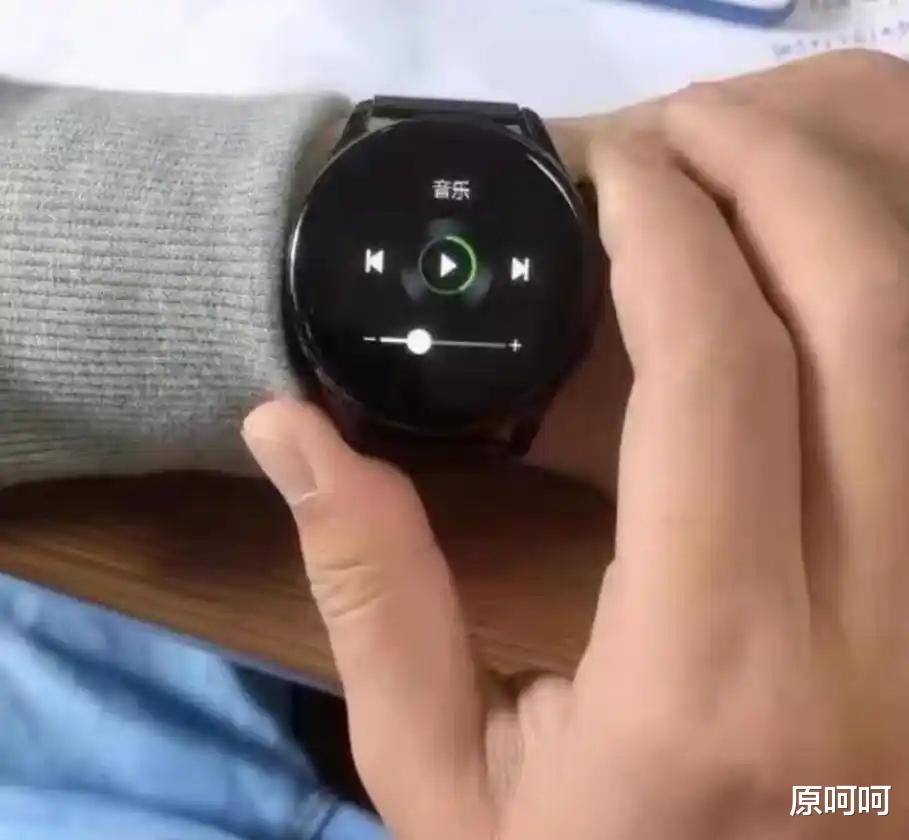
This watch features a 1.28-inch circular touchscreen with a resolution of 240 × 240, providing a clear display and making it intuitive enough for everyday tasks such as checking the time, activity data, and notifications. The 2.5D glass crystal offers stable wear resistance and a pleasant tactile feel, and combined with the full-screen touchscreen, the operation is simple and easy to learn.
In terms of sports and recording capabilities, the Lesti Q3 features a built-in GPS positioning module, supporting outdoor sports track recording, which is very practical for scenarios such as running, cycling, and mountain climbing. It also offers multiple sports modes. Regarding health functions, it supports all-day heart rate monitoring, blood oxygen detection, and sleep analysis, providing basic data trend references. It leans more towards long-term observation than short-term extreme data, making it suitable for users who are concerned about changes in their health status.
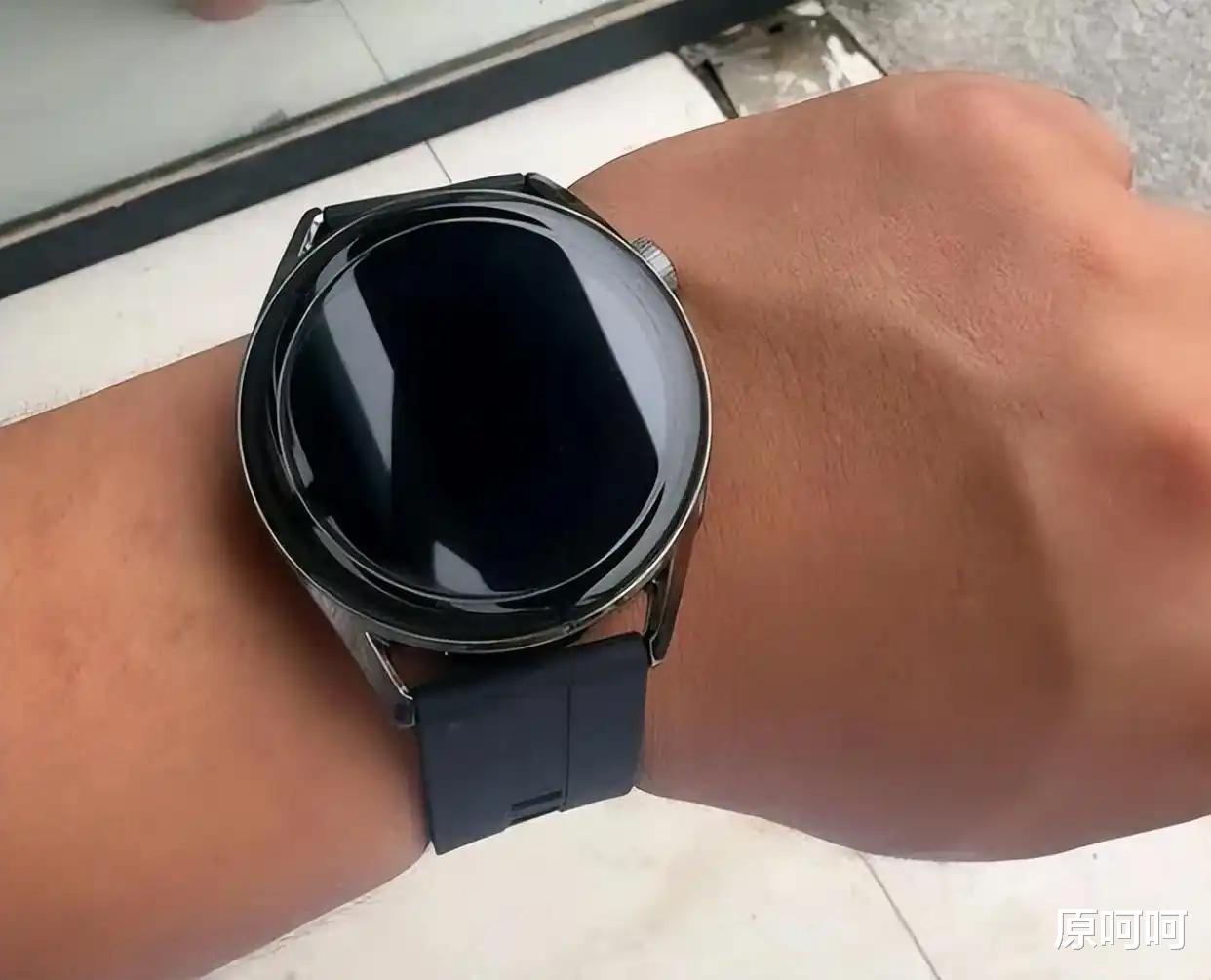
Battery life is a significant advantage of this watch. With a built-in 260mAh battery, it can last for several days under normal use. In addition, the Lesti Q3 supports everyday functions such as message notifications, Bluetooth connectivity, and NFC-based access control, and boasts IP68 water and dust resistance, easily handling everyday rain, handwashing, or sweating during exercise.
If you prioritize stable battery life, GPS recording, basic health monitoring, and comprehensive daily functionality over complex ecosystems or heavy application expansion, then the Lesti Q3 is a very practical choice. It’s understated, but consistently provides a reliable experience during daily wear and long-term use.
Xiaomi Watch S4 – Outstanding Design Flexibility
This smartwatch has evolved further from its predecessor, retaining the highly recognizable design of interchangeable bezels. At the same time, it has been refined in terms of system experience and interaction details, making the overall look and feel closer to a complete smartwatch.

The newly added rotating crown makes daily operation more intuitive and convenient. Combined with the updated system interface, menu switching and function access are smoother.
In terms of screen, both brightness and display quality have been significantly improved, with the AMOLED panel offering better readability outdoors and in bright sunlight. Functionally, this watch is more geared towards working in conjunction with a smartphone, focusing on basic functions when disconnected from the phone, but its overall logic is clear and its positioning is well-defined.

In terms of sports and health, the watch has built-in comprehensive monitoring capabilities and incorporates dual-frequency GNSS to improve the stability of outdoor positioning and activity tracking. Whether for daily fitness activities or outdoor scenarios such as running and cycling, it provides relatively reliable data support.
Battery life is another of its strengths; under normal usage, it can easily last for several days or even longer, reducing the burden of frequent charging. Overall, this product strikes a good balance between aesthetics, functionality, and battery life, making it especially suitable for users who want to freely switch between style and practicality.
Xiaomi Mi Band 9 Pro – A Lightweight Choice for Sports Enthusiasts
If you prioritize wearing comfort and activity tracking over a full smartwatch experience, this product will meet your expectations. The overall design maintains a slim and lightweight aesthetic with clean lines and a youthful color palette. With different strap styles, it doesn’t appear overly “sporty” for everyday wear.

The display is one of its highlights. The larger AMOLED screen makes information presentation more intuitive, and daily data viewing and swiping are quite smooth. The buttonless design takes some getting used to, but it also results in a cleaner front appearance.
In terms of functionality, it still focuses on basic smart features, enabling users to view notifications and control music, while covering a wider range of scenarios for activity tracking. Built-in location capabilities make outdoor running, cycling, and other activities more valuable, making it more geared towards the actual needs of light to moderate exercise users.

Health monitoring remains a core selling point, covering common metrics such as heart rate, blood oxygen, and sleep, with data presented intuitively and suitable for long-term trend reference. Battery performance also maintains its consistent advantage, providing stable support for several days or even longer without frequent charging.
Overall, this is a product that falls between a smartwatch and a professional fitness tracker: it looks more like a fitness tracker, but its functions are sufficient to cover daily training and basic smart needs, making it especially suitable for users who want to balance exercise tracking with a lightweight feel.
If you enjoyed this article, please consider giving a tip! Also, don’t forget to share, like, comment, and follow!
 微信扫一扫打赏
 支付宝扫一扫打赏



 简体中文
简体中文  English