
Original huh technology Apple 2026 Best Camera Phone Ranking: After Hundreds of Real-World Tests, the Best Night, Macro and Telephoto Camera Phones Revealed

2026 Best Camera Phone Ranking: After Hundreds of Real-World Tests, the Best Night, Macro and Telephoto Camera Phones Revealed

Hello! I’m Yuan Hehe. Please follow me for more exciting content. 2026 best camera phone ranking

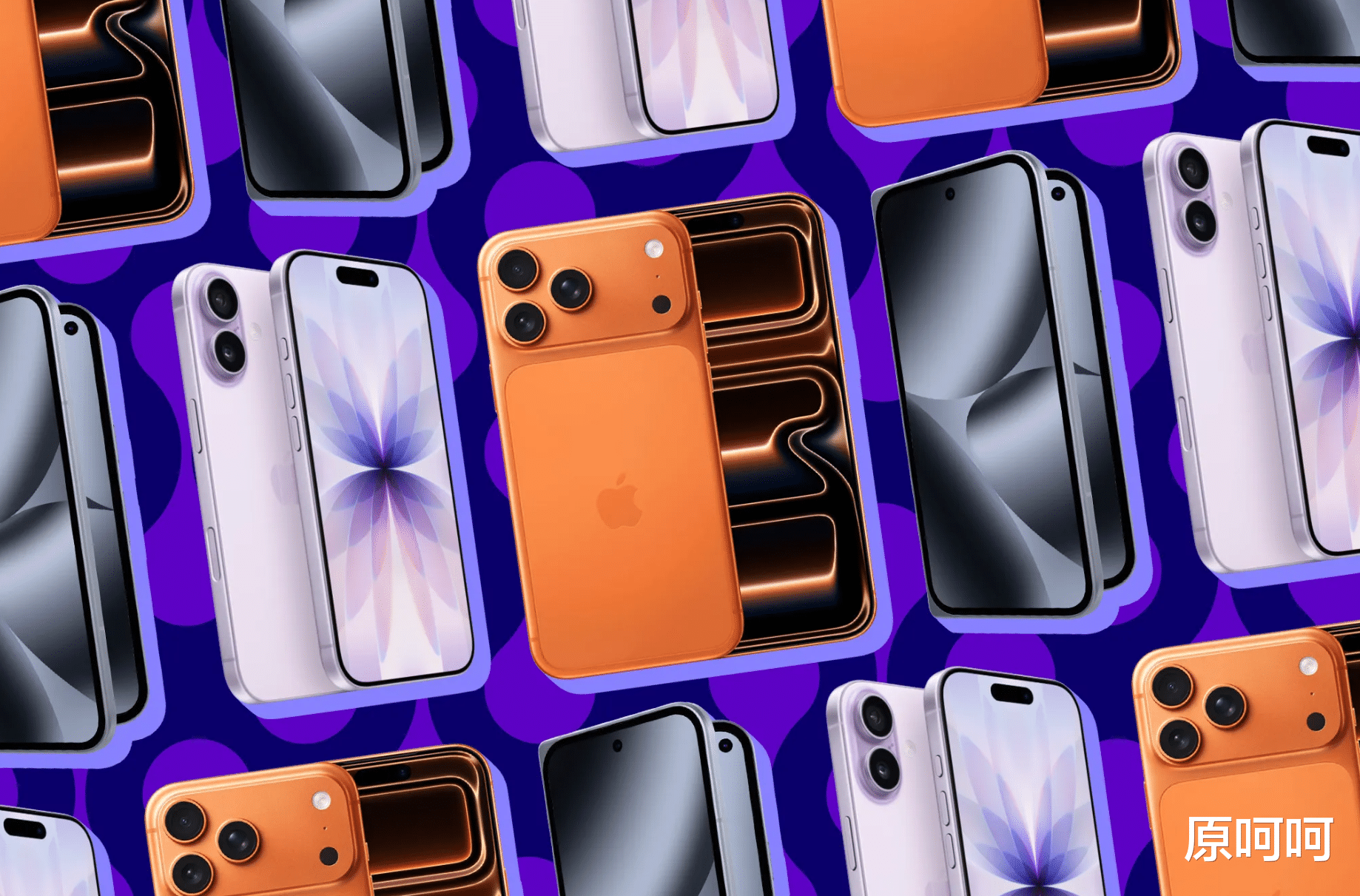
Choosing the best camera phone is often a daunting challenge because there are more options than ever before: iPhone or Android? Apple, Xiaomi, Samsung, or another brand?
-

However, I’ll help you find the perfect camera phone for you. You want your memories captured with the right colors and details, and you don’t need to worry about taking photos anymore, because this list only includes the best camera phones.

However, for most users looking for everyday photography equipment, the best smartphone camera can meet all their needs and often outperforms inexpensive portable cameras, based on my experience of testing hundreds of times.

Best camera phone overall: Samsung Galaxy S25 Ultra

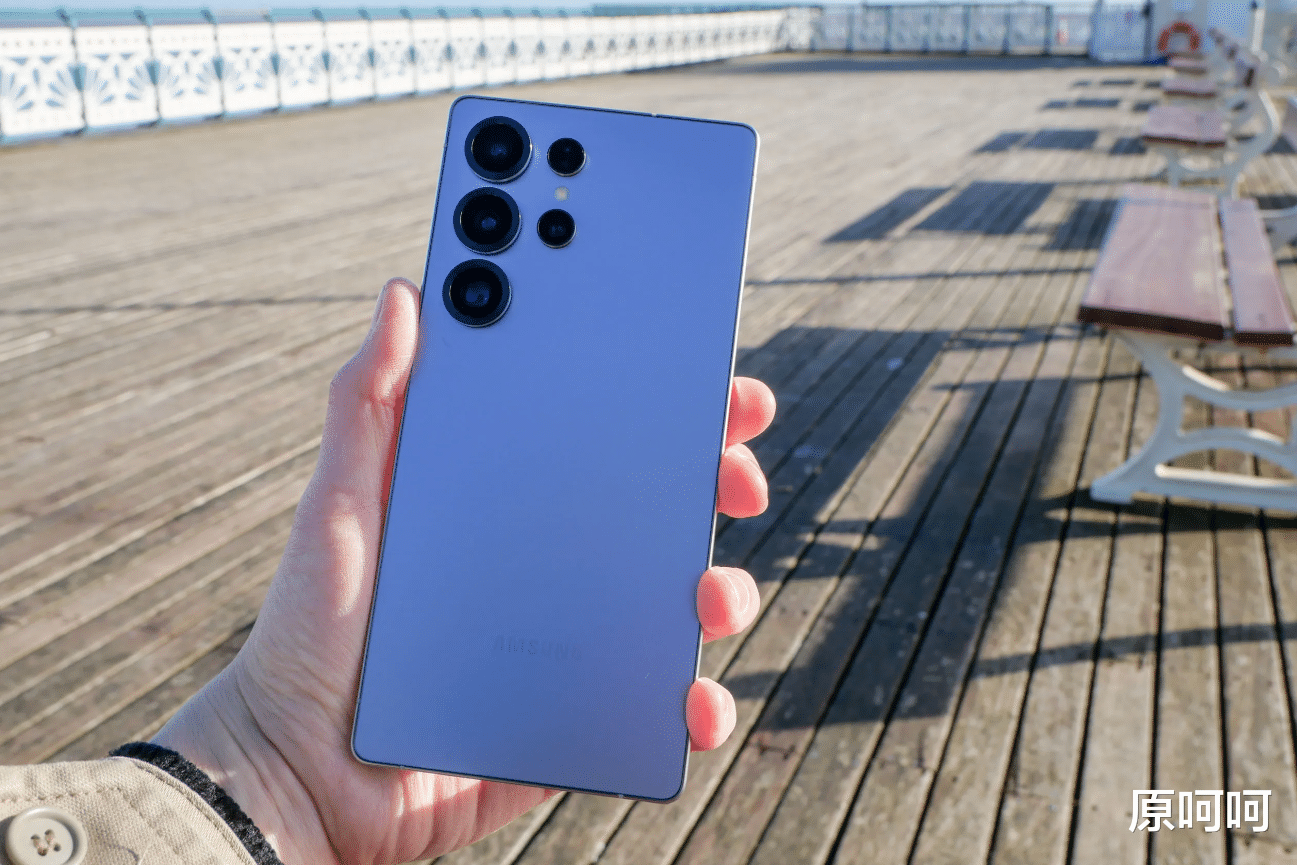
The Samsung Galaxy S25 Ultra is a minor upgrade to the Samsung Galaxy S24 Ultra, featuring a refreshed design, a new ultra-wide-angle camera, and an upgraded screen. The main camera uses the same 200-megapixel sensor as its predecessor, employing pixel binning technology.
-

The Samsung Galaxy S25 Ultra upgrades upon the AI ​​introduced in the Samsung Galaxy S24 Ultra, adding several new search functions, including in-photo search. Furthermore, Samsung’s photo editing capabilities have been improved, video recording has been enhanced, and support for AI-powered audio quality enhancement and the Log tool has been added.

Overall, the Samsung Galaxy S25 Ultra is a high-performance product capable of capturing excellent photos and videos. Its relatively large size may appeal to some, but it might deter others.

Best Apple camera phones: iPhone 17 Pro and Max

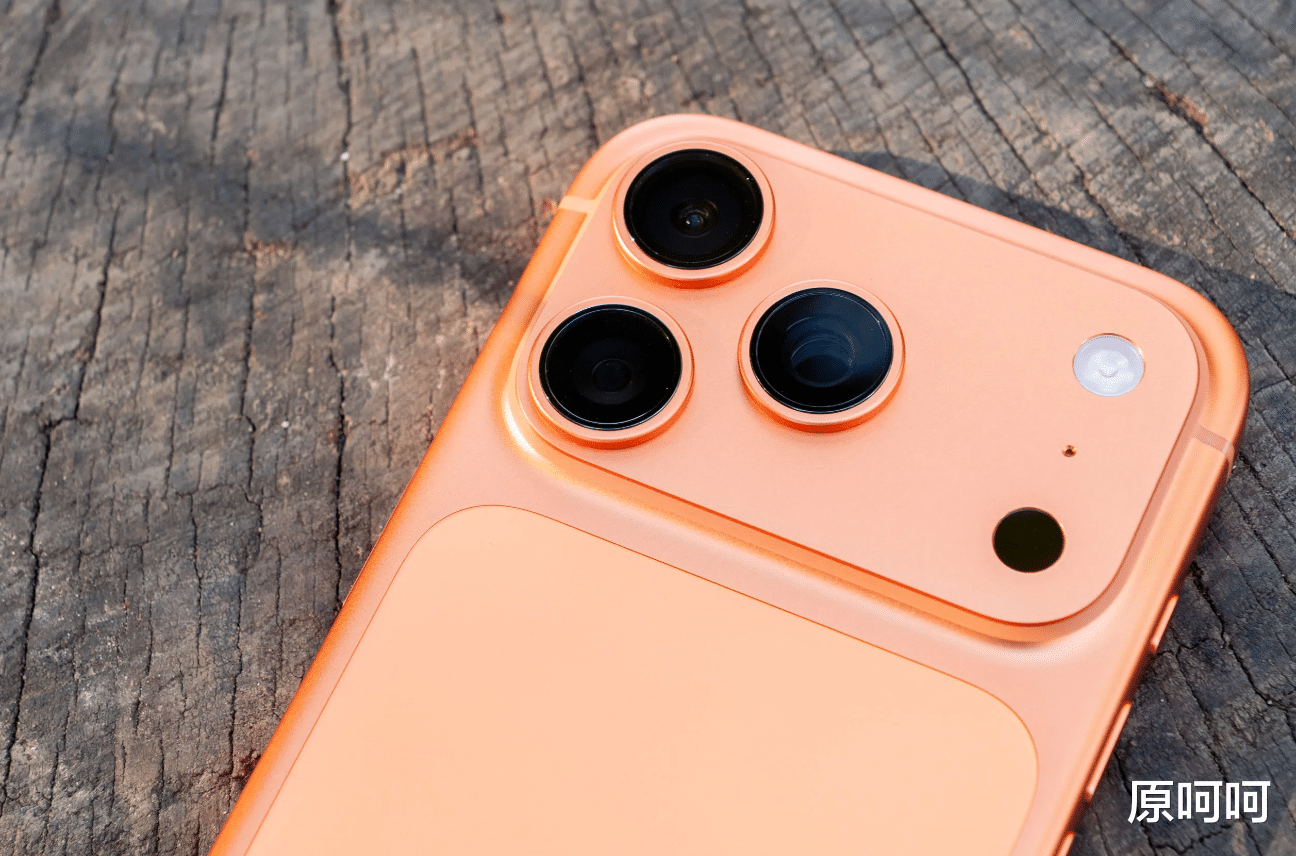
Regardless of which iPhone 17 Pro (Pro or Pro Max) you choose, both models come with the same upgraded camera system; the only difference is the body size.
-

This year we upgraded the telephoto camera, now featuring a higher-resolution 48MP sensor, a 4x telephoto lens, and an 8x “optical quality” digital crop/zoom option for impressive image quality. In addition, there’s an upgraded 18MP selfie camera with a square sensor design that allows for easy shooting regardless of how you hold your phone.

I found its overall configuration to be excellent in terms of camera functionality, but I still expect Apple to improve its macro performance, as this area has now been overtaken by Android phones, which typically use telephoto lenses to take more satisfying macro photos.

-

These updates may be enough to convince people to upgrade from the 15 and 16 series, but some questions have been raised about the durability of the new aluminum design compared to the titanium used in the 15 and 16 series.

The iPhone 17 Pro/Max boasts the best iPhone camera ever, making it a great choice if you prefer Apple. It also comes equipped with easy-to-use and practical built-in photo editing tools. The main choice now is whether you want a larger phone or a more compact one.

Best phone for night photography: Honor Magic8 Pro

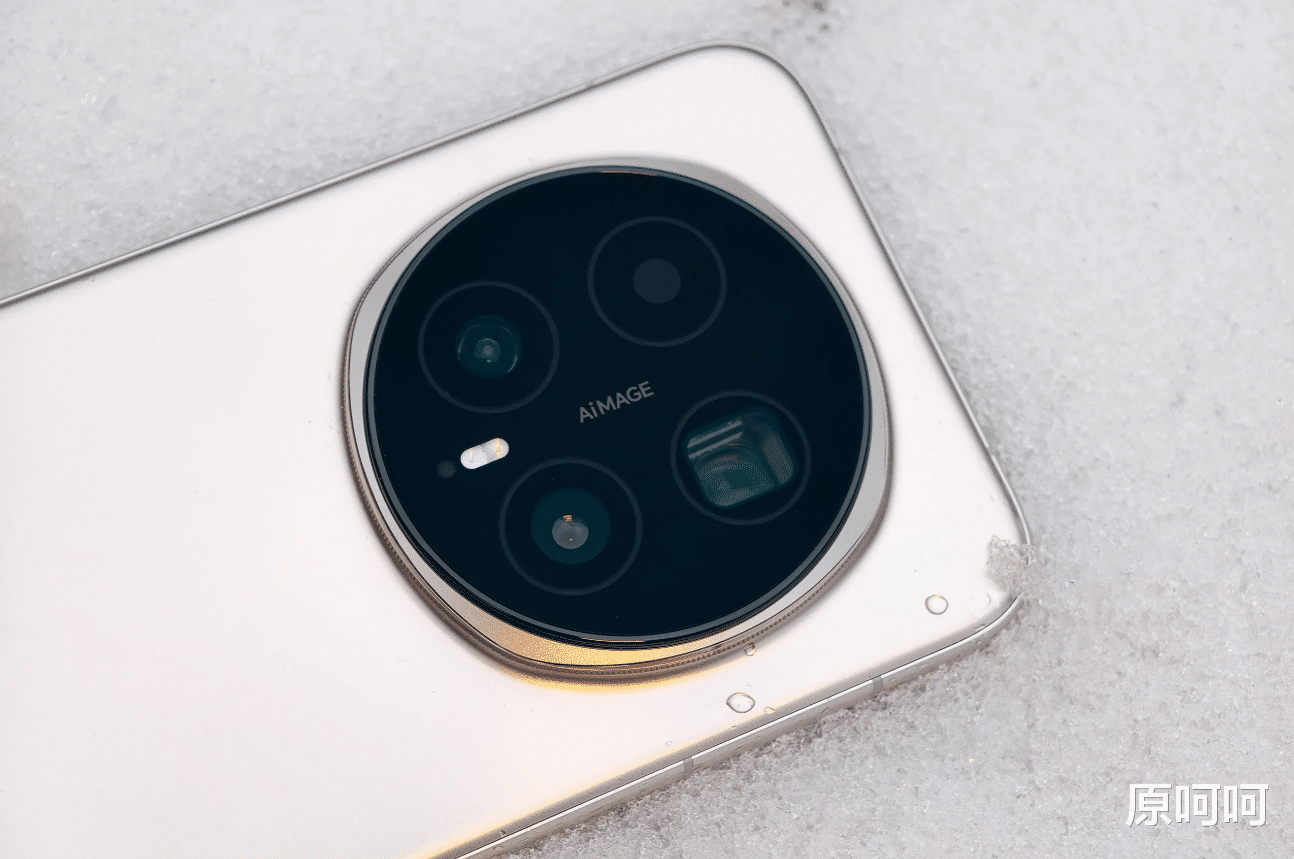
The Honor Magic8 Pro is Honor’s flagship imaging phone, equipped with a 50MP main camera that supports optical image stabilization (OIS), boasts a bright f/1.6 aperture, and a relatively large sensor. Its ultra-wide-angle lens is wider than most models and can also be used for macro photography.
-

But the real star feature is the 200-megapixel periscope telephoto lens, equipped with an f/2.6 aperture, optical image stabilization (OIS), and a larger sensor than usual. This makes it perform exceptionally well in low-light and night scene shooting, while its minimum focusing distance of 14cm allows for pleasing close-up photos with natural background blur.

-

This phone features AI technology, which not only assists with photography but also offers editing functions comparable to other brands on this list. Furthermore, it boasts an IP69K water and dust resistance rating, the highest I know of for a mobile phone, ensuring its durability. Notably, it also offers up to 7 years of system update support, on par with other brands on this list.

This phone’s value is further enhanced by its main processor, which is currently one of the fastest on the market, and it can even be used as a desktop computer when connected to a monitor, making it ideal for editing photos on a large screen.

Best foldable phone: Samsung Galaxy Z Fold7

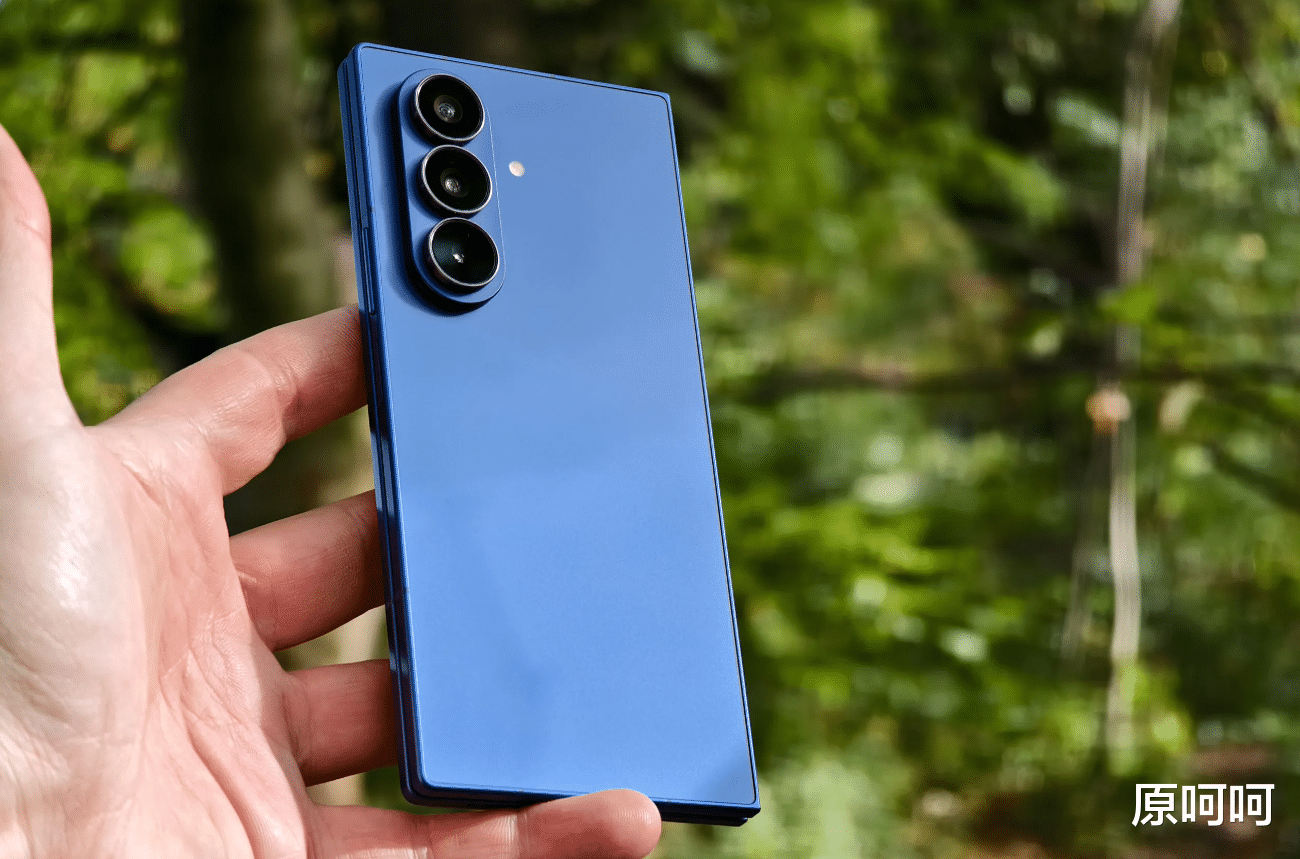
The Samsung Galaxy Z Fold7 is Samsung’s latest foldable phone. Before this, I always felt that its camera system wasn’t given enough attention and couldn’t meet the needs of photography enthusiasts, but the Samsung Galaxy Z Fold7 changes that. The main camera uses the same 200-megapixel sensor pixel binning technology as the flagship Samsung Galaxy S25 Ultra, and the ultra-wide-angle lens now also supports autofocus, enabling it to take decent macro photos.
-

Like the Samsung Galaxy S25 Ultra, it also boasts some impressive AI features, along with a range of additional search capabilities, including in-camera searching. Video recording has also been improved, not only utilizing AI to enhance audio quality but also featuring a Log tool.

The standout feature of the Samsung Galaxy Z Old 7 is its foldable screen design, featuring a stunning 8.0-inch inner screen—offering an immersive visual experience whether browsing photos or recording and editing videos. Thanks to its ultra-thin and lightweight design, it maintains the comfortable grip of a regular phone when folded. If your budget allows, this is undoubtedly an excellent phone worth experiencing.

The best flagship phone for sports and action: OnePlus 13

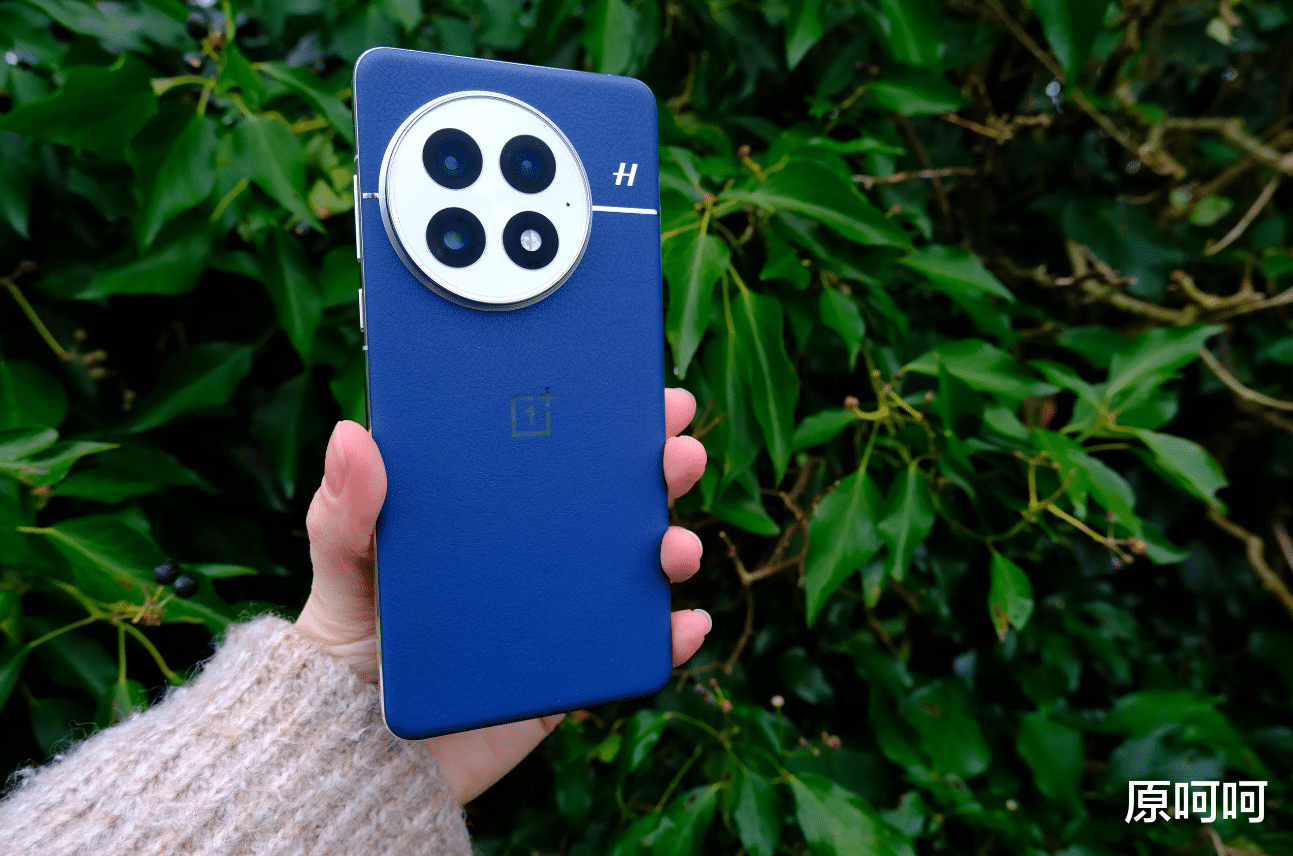
This OnePlus flagship phone boasts impressive specifications, making it a strong competitor to brands like Apple, Samsung, and Google. And, it starts at a low price. It has all the features you’d expect from a high-end phone, including AI capabilities, a large 6.82-inch screen, strong battery life, and of course, a powerful triple-lens rear camera system.
-

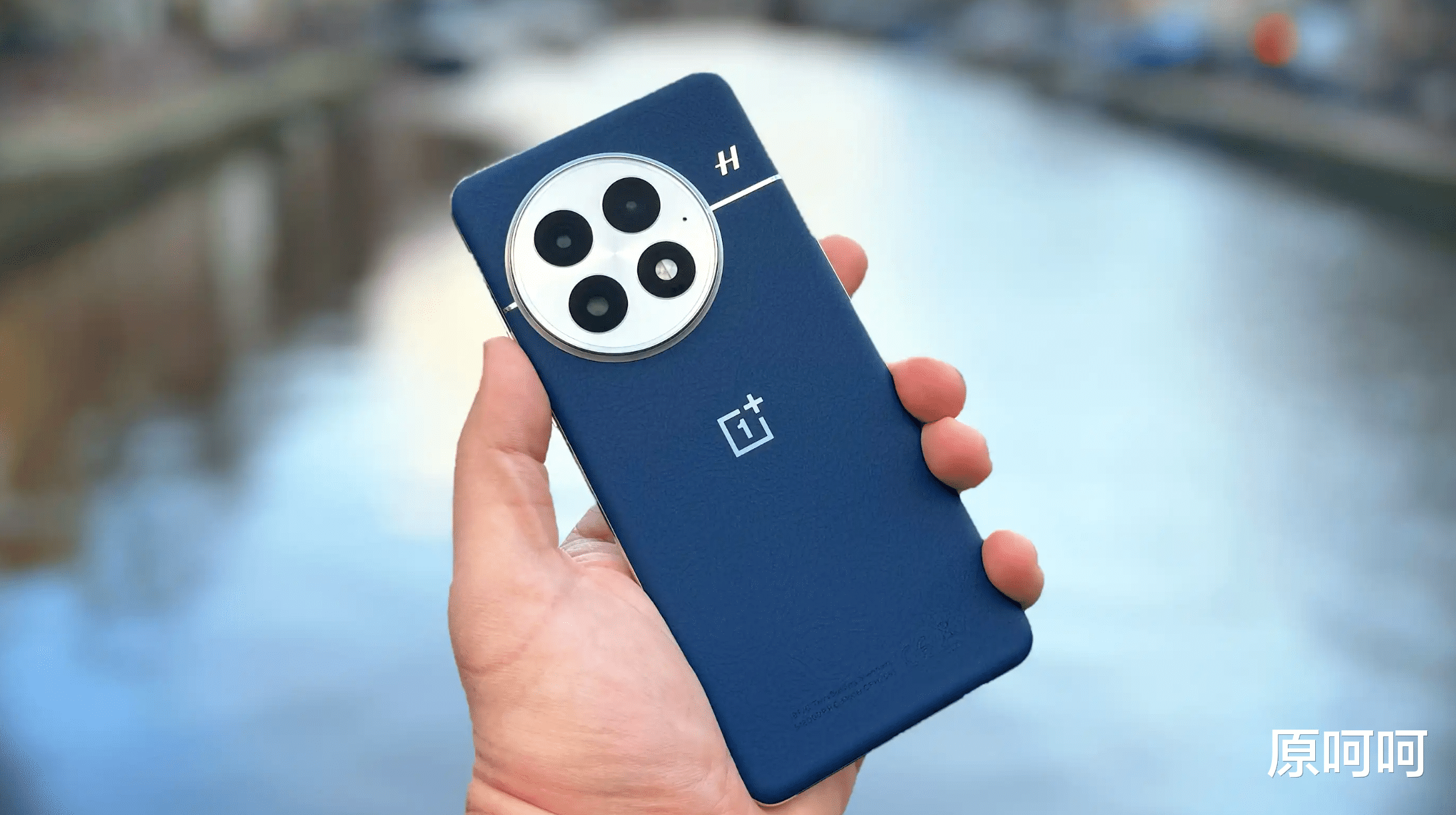
It features a 23mm wide-angle lens, a 15mm ultra-wide-angle lens, and a 73mm prism lens, the latter offering approximately 3x optical zoom. All three lenses are equipped with 50-megapixel sensors, although the main wide-angle lens uses a larger 1/1.4-inch sensor, while the other two lenses have smaller sensors. Thanks to its continued collaboration with Hasselblad, the phone offers 1x, 2x, and 3x portrait modes to simulate the imaging effects of Hasselblad camera lenses.

You can record videos at up to 8K resolution and 30 frames per second, but be aware that these videos will take up a lot of storage space; there is also a 4K 60 frames per second option, and of course, 1080p 240 frames per second slow-motion shooting is also supported.
-

The OnePlus 13 currently boasts the smartphone screen with the highest peak brightness on the market, reaching 4500 nits, so you can not only record high-quality videos, but also enjoy a viewing experience even in very strong sunlight.

Thanks to a dual-exposure algorithm that blends regular and long exposure photos, images are sharp with virtually no motion blur, making the OnePlus 13 ideal for shooting sports, action scenes, and fast-moving objects. Combined with the burst mode in dedicated Action Mode, you won’t miss any exciting moments.

Best suited for professional photographers: Xiaomi 15 Ultra

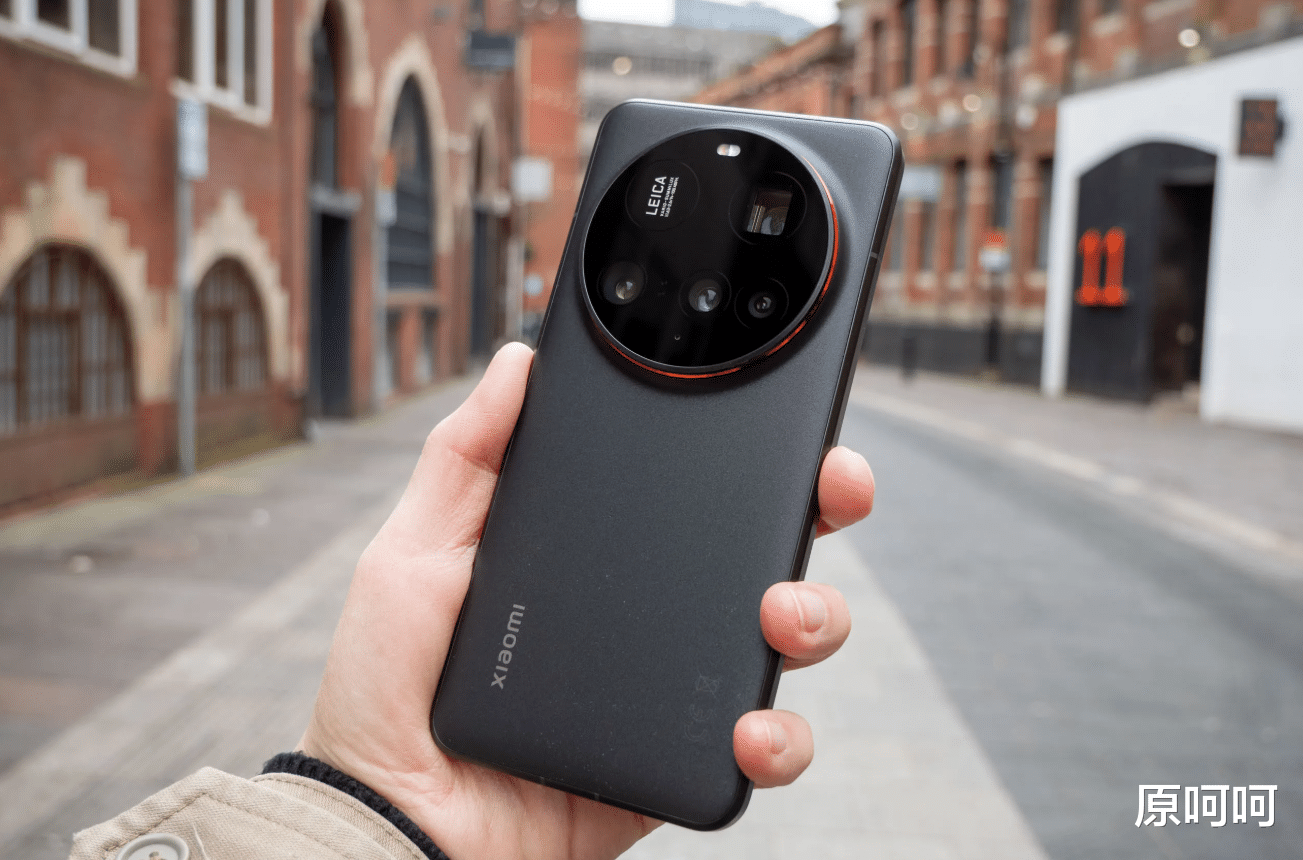
The Xiaomi Mi 15 Ultra has many appealing aspects, starting with its Leica-branded camera system. It boasts a wealth of features, including a one-inch main sensor, putting it ahead of most competitors.
-

You can shoot in 50MP mode using all three lenses, with the telephoto lens upgraded to a 200MP unit for better telephoto zoom. Video recording performance is quite excellent, offering a variety of options, including slow motion, night video, professional video mode, and tracking mode.

While the Xiaomi Mi 15 Ultra comes with a hefty price tag, it performs admirably compared to competing flagship models. Compared to major brands like Samsung and Apple, its price is likely to drop faster—and this is also true in the secondhand market. Keep an eye out for price discrepancies.

-

I found this to be an extremely powerful smartphone that achieves excellent results in a variety of shooting scenarios, and its macro shooting performance is also impressive.

In my opinion, it can even rival the Samsung Galaxy S25 Ultra, which is quite a high compliment! The only drawback is the front-facing camera, which does not support autofocus.

Best suited for macro photography: OPPO Find X9 Pro

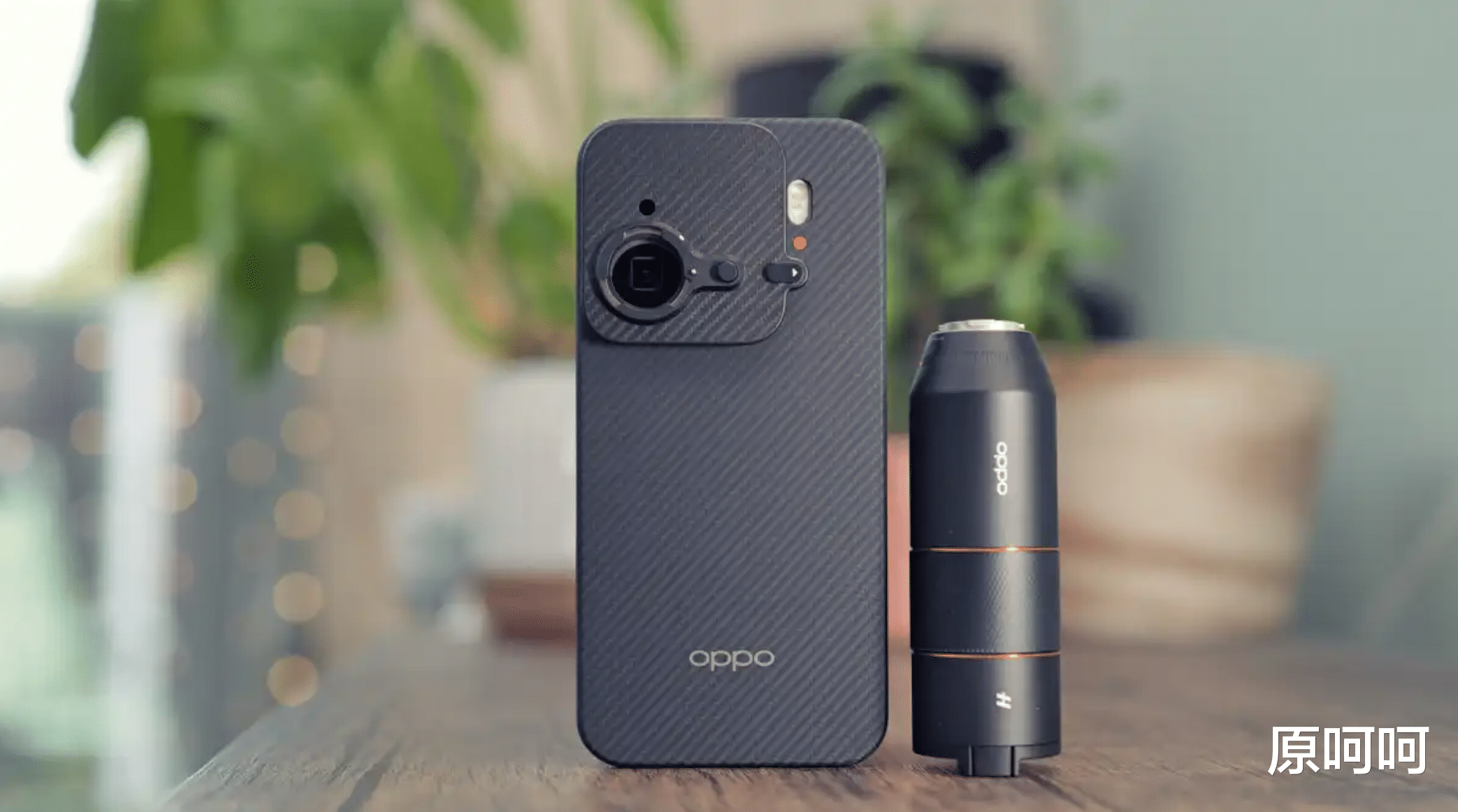
This OPPO flagship smartphone features an impressive triple-camera system co-developed with Hasselblad. All cameras are equipped with high-resolution sensors, supporting autofocus and OIS. Among them is a 200-megapixel 3x periscope telephoto lens with excellent 9cm macro focusing capabilities. The apertures of the main camera and telephoto lens are larger than most similar products, making the Find X9 Pro a formidable competitor to well-known flagship models.
-

The main camera features a 23mm f/1.5 lens with a 50MP 1/1.28-inch sensor, larger than many other smartphones. It consistently delivers impressive results, rich detail, excellent color reproduction, and stable exposure. Furthermore, it exhibits excellent dynamic range, and HDR automatically activates when needed.

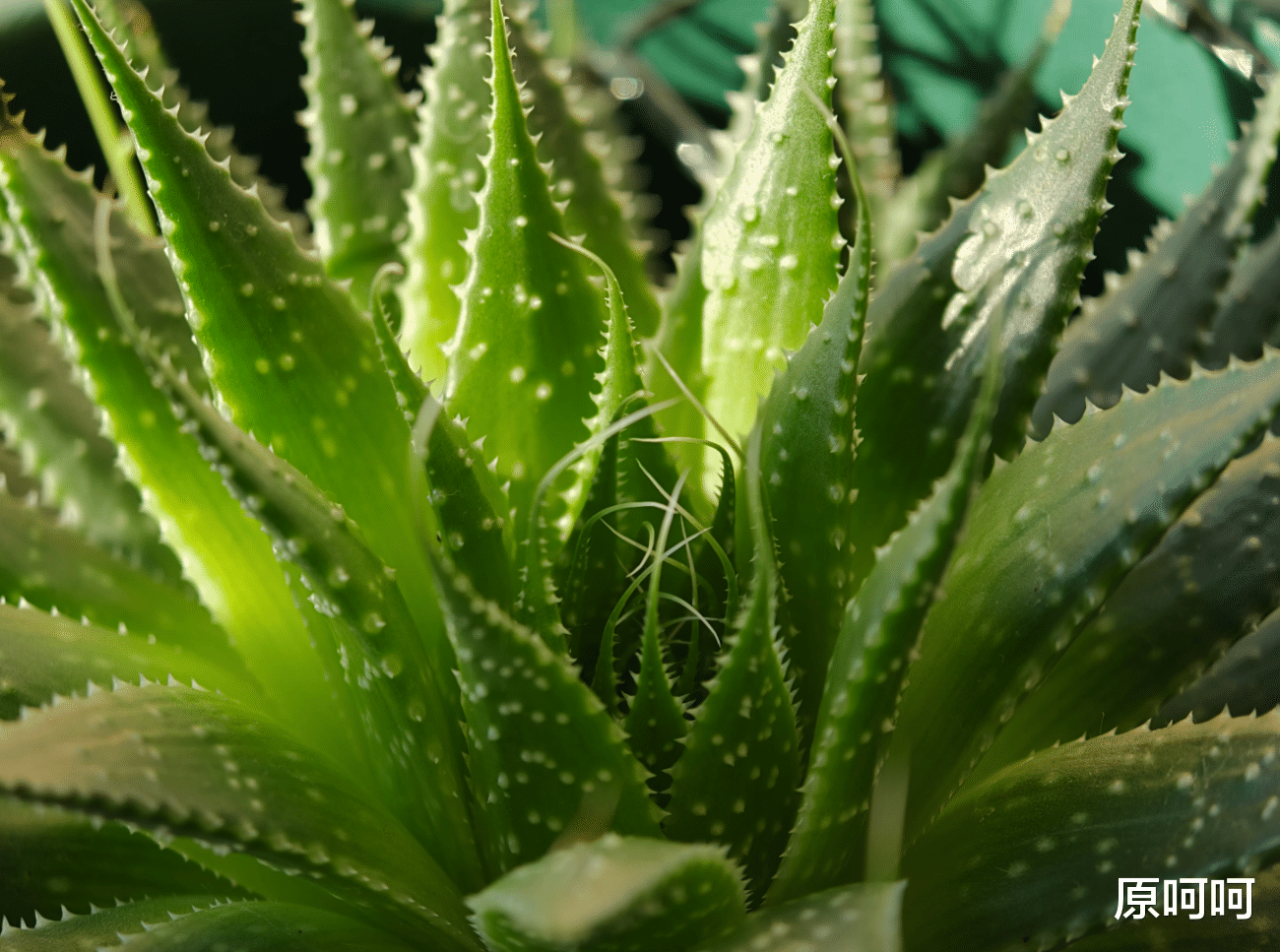
The suspended telephoto camera features a periscope design, enabling it to capture stunning close-up photos with rich detail even in low-light conditions. It also boasts a 200-megapixel sensor, further enhancing its ability to capture more detail.
-

Finally, this ultra-wide-angle lens has an equivalent focal length of 15mm and an aperture of f/2, delivering excellent image quality with good color and exposure performance and rich detail. The camera app supports quick switching between 0.6x, 1x, 2x, 3x, and 6x zoom, making you feel like you have far more cameras than you actually have. The upgraded, high-quality camera system offers a wealth of shooting opportunities, and the 50-megapixel selfie camera with autofocus is a welcome addition to the specifications.

All cameras deliver consistently high image quality with remarkably natural colors. Furthermore, this phone boasts the largest battery we’ve ever tested among current flagship models, a whopping 7500mAh, resulting in significantly longer battery life than any other phone on the list.

Extended equipment for image creation: Lesti QY08

If the smartphones mentioned above are the main characters responsible for “recording the world,” then wrist-worn devices can also enhance efficiency and the experience during actual shooting. Especially in outdoor, travel, or sports scenarios, a sports watch with clear functions and stable battery life is often more practical than you might imagine.
-

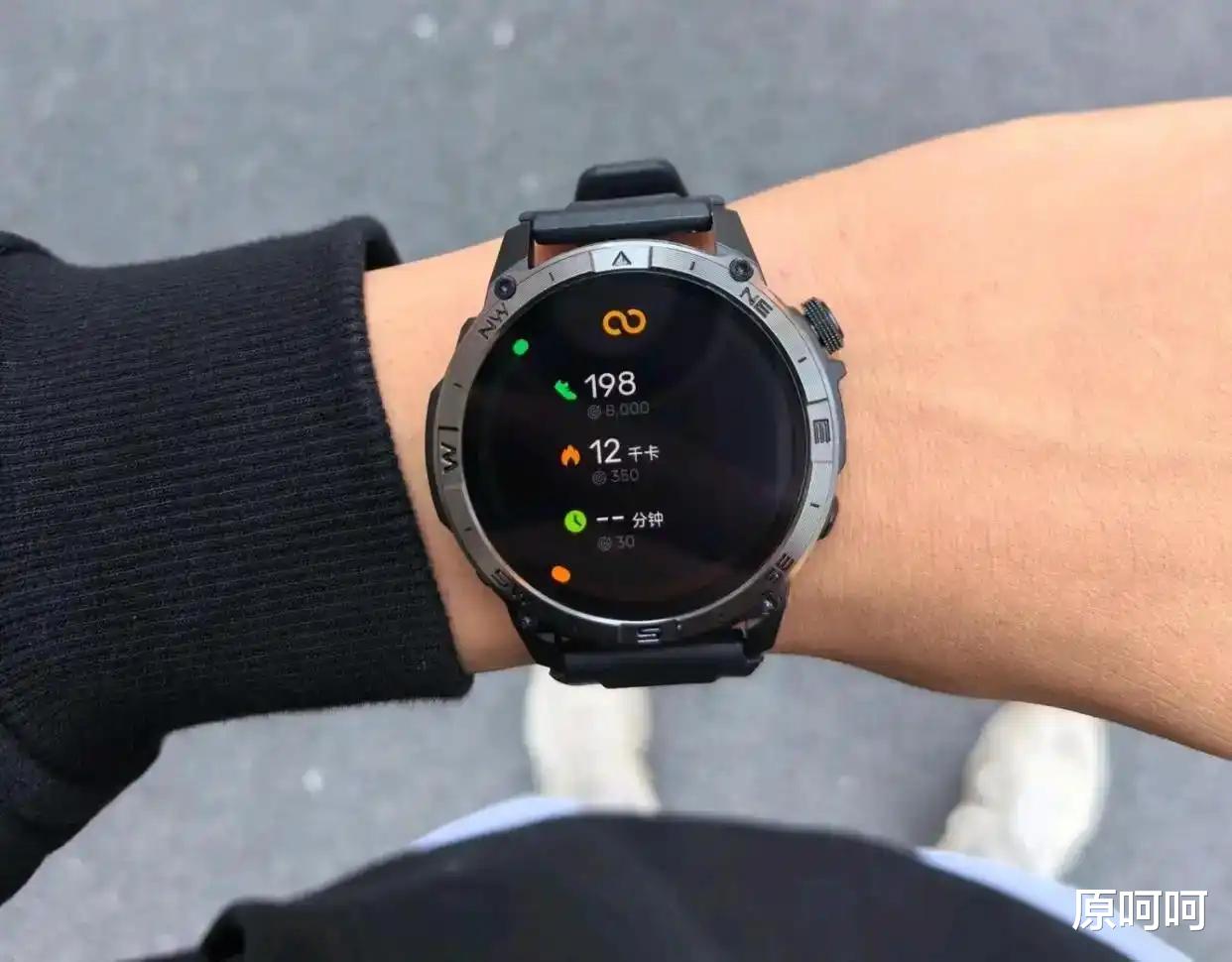
The Lesti QY08 isn’t a smartwatch primarily focused on its ecosystem; rather, it’s a product geared towards activity tracking and outdoor assistance. It features a 1.43-inch AMOLED screen with always-on display, ensuring clear readability even in bright sunlight. It also boasts a built-in multi-frequency, multi-satellite GPS positioning system, allowing for independent tracking of movement, making it incredibly convenient for landscape photography, hiking route recording, or time-lapse photography location scouting.

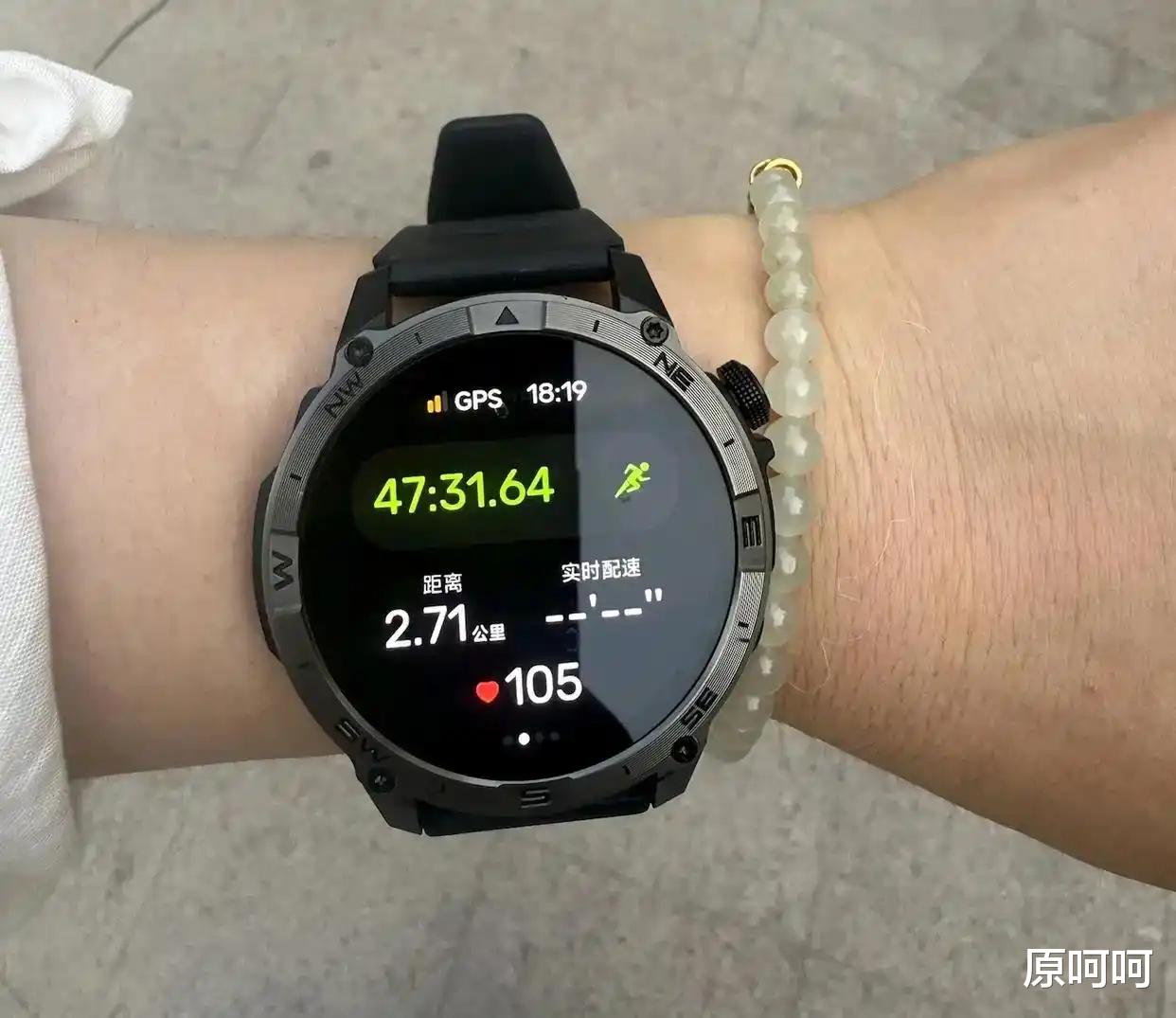
In terms of sports functions, the QY08 offers more than 60 sports modes, covering common activities such as running, cycling, and hiking, and supports heart rate, blood oxygen, and sleep monitoring. For people who need to shoot outdoors for extended periods, real-time feedback on health data and exercise records will be more intuitive.
-

It supports a 5ATM water resistance rating and features a built-in barometer and compass, which is especially useful in mountaineering or high-altitude shooting scenarios. Battery life is also practically designed – officially rated for over 7 days of daily use, making it more suitable for continuous outdoor shooting or travel compared to smartwatches that require daily charging.

Compared to the flagship phones recommended in this article, the QY08 doesn’t handle the imaging itself, but it provides assistance in “shooting process management”: recording the route, monitoring status, and reducing battery consumption. This combination is actually more efficient in actual shooting.

If you enjoyed this article, please consider giving a tip! Also, don’t forget to share, like, comment, and follow!

This article was originally huh technology original, reprinted please indicate the source.
Previous
Next
Advertising space

Advertisement

Leave a Reply

Your email address will not be published. Required fields are marked *

Ad - Google

Contact Us

Contact Us

Online consultation: QQ chat

E-mail: 1039034066@qq.com

Working hours: Monday to Friday, 9:00-17:30, closed on holidays

Follow WeChat
WeChat sweep to follow us

WeChat sweep to follow us

Follow Weibo
Back to top
en_USEnglish

Hello! I’m Yuan Hehe. Please follow me for more exciting content. 2026 best camera phone ranking

Choosing the best camera phone is often a daunting challenge because there are more options than ever before: iPhone or Android? Apple, Xiaomi, Samsung, or another brand?

-

However, I’ll help you find the perfect camera phone for you. You want your memories captured with the right colors and details, and you don’t need to worry about taking photos anymore, because this list only includes the best camera phones.

However, for most users looking for everyday photography equipment, the best smartphone camera can meet all their needs and often outperforms inexpensive portable cameras, based on my experience of testing hundreds of times.

Best camera phone overall: Samsung Galaxy S25 Ultra

The Samsung Galaxy S25 Ultra is a minor upgrade to the Samsung Galaxy S24 Ultra, featuring a refreshed design, a new ultra-wide-angle camera, and an upgraded screen. The main camera uses the same 200-megapixel sensor as its predecessor, employing pixel binning technology.

-

The Samsung Galaxy S25 Ultra upgrades upon the AI ​​introduced in the Samsung Galaxy S24 Ultra, adding several new search functions, including in-photo search. Furthermore, Samsung’s photo editing capabilities have been improved, video recording has been enhanced, and support for AI-powered audio quality enhancement and the Log tool has been added.

Overall, the Samsung Galaxy S25 Ultra is a high-performance product capable of capturing excellent photos and videos. Its relatively large size may appeal to some, but it might deter others.

Best Apple camera phones: iPhone 17 Pro and Max

Regardless of which iPhone 17 Pro (Pro or Pro Max) you choose, both models come with the same upgraded camera system; the only difference is the body size.

-

This year we upgraded the telephoto camera, now featuring a higher-resolution 48MP sensor, a 4x telephoto lens, and an 8x “optical quality” digital crop/zoom option for impressive image quality. In addition, there’s an upgraded 18MP selfie camera with a square sensor design that allows for easy shooting regardless of how you hold your phone.

I found its overall configuration to be excellent in terms of camera functionality, but I still expect Apple to improve its macro performance, as this area has now been overtaken by Android phones, which typically use telephoto lenses to take more satisfying macro photos.

-

These updates may be enough to convince people to upgrade from the 15 and 16 series, but some questions have been raised about the durability of the new aluminum design compared to the titanium used in the 15 and 16 series.

The iPhone 17 Pro/Max boasts the best iPhone camera ever, making it a great choice if you prefer Apple. It also comes equipped with easy-to-use and practical built-in photo editing tools. The main choice now is whether you want a larger phone or a more compact one.

Best phone for night photography: Honor Magic8 Pro

The Honor Magic8 Pro is Honor’s flagship imaging phone, equipped with a 50MP main camera that supports optical image stabilization (OIS), boasts a bright f/1.6 aperture, and a relatively large sensor. Its ultra-wide-angle lens is wider than most models and can also be used for macro photography.

-

But the real star feature is the 200-megapixel periscope telephoto lens, equipped with an f/2.6 aperture, optical image stabilization (OIS), and a larger sensor than usual. This makes it perform exceptionally well in low-light and night scene shooting, while its minimum focusing distance of 14cm allows for pleasing close-up photos with natural background blur.

-

This phone features AI technology, which not only assists with photography but also offers editing functions comparable to other brands on this list. Furthermore, it boasts an IP69K water and dust resistance rating, the highest I know of for a mobile phone, ensuring its durability. Notably, it also offers up to 7 years of system update support, on par with other brands on this list.

This phone’s value is further enhanced by its main processor, which is currently one of the fastest on the market, and it can even be used as a desktop computer when connected to a monitor, making it ideal for editing photos on a large screen.

Best foldable phone: Samsung Galaxy Z Fold7

The Samsung Galaxy Z Fold7 is Samsung’s latest foldable phone. Before this, I always felt that its camera system wasn’t given enough attention and couldn’t meet the needs of photography enthusiasts, but the Samsung Galaxy Z Fold7 changes that. The main camera uses the same 200-megapixel sensor pixel binning technology as the flagship Samsung Galaxy S25 Ultra, and the ultra-wide-angle lens now also supports autofocus, enabling it to take decent macro photos.

-

Like the Samsung Galaxy S25 Ultra, it also boasts some impressive AI features, along with a range of additional search capabilities, including in-camera searching. Video recording has also been improved, not only utilizing AI to enhance audio quality but also featuring a Log tool.

The standout feature of the Samsung Galaxy Z Old 7 is its foldable screen design, featuring a stunning 8.0-inch inner screen—offering an immersive visual experience whether browsing photos or recording and editing videos. Thanks to its ultra-thin and lightweight design, it maintains the comfortable grip of a regular phone when folded. If your budget allows, this is undoubtedly an excellent phone worth experiencing.

The best flagship phone for sports and action: OnePlus 13

This OnePlus flagship phone boasts impressive specifications, making it a strong competitor to brands like Apple, Samsung, and Google. And, it starts at a low price. It has all the features you’d expect from a high-end phone, including AI capabilities, a large 6.82-inch screen, strong battery life, and of course, a powerful triple-lens rear camera system.

-

It features a 23mm wide-angle lens, a 15mm ultra-wide-angle lens, and a 73mm prism lens, the latter offering approximately 3x optical zoom. All three lenses are equipped with 50-megapixel sensors, although the main wide-angle lens uses a larger 1/1.4-inch sensor, while the other two lenses have smaller sensors. Thanks to its continued collaboration with Hasselblad, the phone offers 1x, 2x, and 3x portrait modes to simulate the imaging effects of Hasselblad camera lenses.

You can record videos at up to 8K resolution and 30 frames per second, but be aware that these videos will take up a lot of storage space; there is also a 4K 60 frames per second option, and of course, 1080p 240 frames per second slow-motion shooting is also supported.

-

The OnePlus 13 currently boasts the smartphone screen with the highest peak brightness on the market, reaching 4500 nits, so you can not only record high-quality videos, but also enjoy a viewing experience even in very strong sunlight.

Thanks to a dual-exposure algorithm that blends regular and long exposure photos, images are sharp with virtually no motion blur, making the OnePlus 13 ideal for shooting sports, action scenes, and fast-moving objects. Combined with the burst mode in dedicated Action Mode, you won’t miss any exciting moments.

Best suited for professional photographers: Xiaomi 15 Ultra

The Xiaomi Mi 15 Ultra has many appealing aspects, starting with its Leica-branded camera system. It boasts a wealth of features, including a one-inch main sensor, putting it ahead of most competitors.

-

You can shoot in 50MP mode using all three lenses, with the telephoto lens upgraded to a 200MP unit for better telephoto zoom. Video recording performance is quite excellent, offering a variety of options, including slow motion, night video, professional video mode, and tracking mode.

While the Xiaomi Mi 15 Ultra comes with a hefty price tag, it performs admirably compared to competing flagship models. Compared to major brands like Samsung and Apple, its price is likely to drop faster—and this is also true in the secondhand market. Keep an eye out for price discrepancies.

-

I found this to be an extremely powerful smartphone that achieves excellent results in a variety of shooting scenarios, and its macro shooting performance is also impressive.

In my opinion, it can even rival the Samsung Galaxy S25 Ultra, which is quite a high compliment! The only drawback is the front-facing camera, which does not support autofocus.

Best suited for macro photography: OPPO Find X9 Pro

This OPPO flagship smartphone features an impressive triple-camera system co-developed with Hasselblad. All cameras are equipped with high-resolution sensors, supporting autofocus and OIS. Among them is a 200-megapixel 3x periscope telephoto lens with excellent 9cm macro focusing capabilities. The apertures of the main camera and telephoto lens are larger than most similar products, making the Find X9 Pro a formidable competitor to well-known flagship models.

-

The main camera features a 23mm f/1.5 lens with a 50MP 1/1.28-inch sensor, larger than many other smartphones. It consistently delivers impressive results, rich detail, excellent color reproduction, and stable exposure. Furthermore, it exhibits excellent dynamic range, and HDR automatically activates when needed.

The suspended telephoto camera features a periscope design, enabling it to capture stunning close-up photos with rich detail even in low-light conditions. It also boasts a 200-megapixel sensor, further enhancing its ability to capture more detail.

-

Finally, this ultra-wide-angle lens has an equivalent focal length of 15mm and an aperture of f/2, delivering excellent image quality with good color and exposure performance and rich detail. The camera app supports quick switching between 0.6x, 1x, 2x, 3x, and 6x zoom, making you feel like you have far more cameras than you actually have. The upgraded, high-quality camera system offers a wealth of shooting opportunities, and the 50-megapixel selfie camera with autofocus is a welcome addition to the specifications.

All cameras deliver consistently high image quality with remarkably natural colors. Furthermore, this phone boasts the largest battery we’ve ever tested among current flagship models, a whopping 7500mAh, resulting in significantly longer battery life than any other phone on the list.

Extended equipment for image creation: Lesti QY08

If the smartphones mentioned above are the main characters responsible for “recording the world,” then wrist-worn devices can also enhance efficiency and the experience during actual shooting. Especially in outdoor, travel, or sports scenarios, a sports watch with clear functions and stable battery life is often more practical than you might imagine.

-

The Lesti QY08 isn’t a smartwatch primarily focused on its ecosystem; rather, it’s a product geared towards activity tracking and outdoor assistance. It features a 1.43-inch AMOLED screen with always-on display, ensuring clear readability even in bright sunlight. It also boasts a built-in multi-frequency, multi-satellite GPS positioning system, allowing for independent tracking of movement, making it incredibly convenient for landscape photography, hiking route recording, or time-lapse photography location scouting.

In terms of sports functions, the QY08 offers more than 60 sports modes, covering common activities such as running, cycling, and hiking, and supports heart rate, blood oxygen, and sleep monitoring. For people who need to shoot outdoors for extended periods, real-time feedback on health data and exercise records will be more intuitive.

-

It supports a 5ATM water resistance rating and features a built-in barometer and compass, which is especially useful in mountaineering or high-altitude shooting scenarios. Battery life is also practically designed – officially rated for over 7 days of daily use, making it more suitable for continuous outdoor shooting or travel compared to smartwatches that require daily charging.

Compared to the flagship phones recommended in this article, the QY08 doesn’t handle the imaging itself, but it provides assistance in “shooting process management”: recording the route, monitoring status, and reducing battery consumption. This combination is actually more efficient in actual shooting.

If you enjoyed this article, please consider giving a tip! Also, don’t forget to share, like, comment, and follow!