
Hello! I’m Yuan Hehe. Please follow me for more exciting content. Apple Watch comparison 2026
This is a comprehensive guide to determining which Apple Watch is the best choice and whether it’s a good time to buy. Since the first model was released, all subsequent generations have undergone extensive real-world use and systematic testing, making it clear which models still offer real value in 2026.

With the completion of the latest generation product line update, including the standard series, high-end models, and entry-level versions, all three mainstream models currently on sale have undergone comprehensive evaluation.
Based on changes in hardware, functional orientations, and differences in usage scenarios, the overall recommendations have been adjusted and updated accordingly, striving to provide clearer and more practical options for users with different needs.
Apple Watch Ultra 3
The Apple Watch Ultra 3 continues the Ultra series’ consistent product philosophy, representing a solid and mature upgrade that further solidifies its “well-rounded” positioning among high-end smartwatches.

This product isn’t a revolutionary update; it maintains a high degree of consistency with its predecessor in overall structure and core experience. However, the larger display area, higher brightness, and added satellite communication capabilities give it greater practical value in specific usage scenarios. By narrowing the screen bezels, the visible area within the 49mm case is effectively expanded, providing significantly more operating space for complex watch faces, multi-information interfaces, and map applications.
For users who frequently engage in hiking, trail running, or outdoor adventures, the added satellite functionality provides extra safety, especially important in environments far from cellular networks. Combined with a dual-frequency positioning system, stable and reliable heart rate monitoring, and a real-world battery life of 2–3 days, it remains a versatile and widely applicable device.

It’s worth noting that the overall experience of the Ultra 3 is very similar to its predecessor. Processing performance remains sufficient, and the design language is consistent, so there’s little need for users already using the previous generation Ultra to upgrade.
However, for those new to the Ultra series or upgrading from the standard series, the Ultra 3 still represents the most complete and reliable version of the current Apple Watch system, and is the mature pinnacle of this product line.
Apple Watch Series 11
The Series 11 is a solid and restrained update, with a clear target audience: users who want a more refined design and full functionality but are not satisfied with an entry-level model. It offers a more modern overall experience than the SE series, but avoids excessive feature overload, maintaining a mature balance.

This generation doesn’t feature a major overhaul in appearance, but rather refines the details based on the redesign of the previous generation. The most noticeable hardware change comes from the new Ion-X glass used in the aluminum version, which significantly improves scratch resistance and provides more reliable durability for long-term daily wear.
The real upgrades are at the system level. The latest system version adds several health-related features, such as smarter passive health reminders and native sleep scoring, enabling the device to continuously provide valuable health information without frequent interaction. These capabilities are supported by a new-generation processing platform, making the Series 11 more like a long-term health monitoring device, rather than just an information reminder tool.
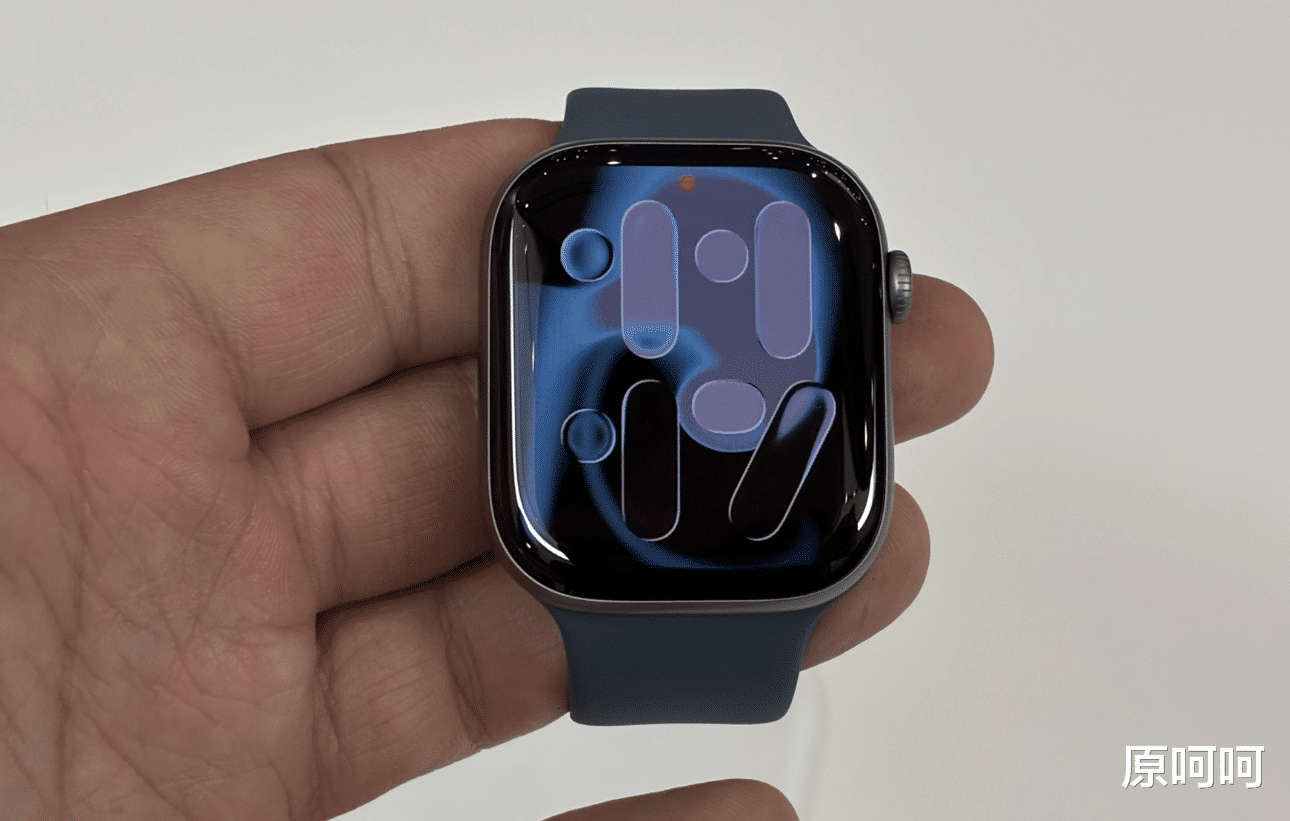
It’s worth noting that this is still an “incremental upgrade” product. The previous generation model was very similar to the Series 11 in terms of appearance, screen size, and core performance, with no significant difference in daily use. Therefore, from a cost-performance perspective, the previous generation still possessed strong competitiveness.
In summary, the Series 11 is one of the most mature and reliable choices among standard smartwatches currently available; however, if practicality and rational spending are more important, the previous generation can also cover the vast majority of usage scenarios and is more attractive.
Apple Watch SE 3
The Apple Watch SE 3 continues the series’ consistent positioning, serving as an ideal starting point for most first-time Apple Watch users and representing a well-balanced product. In terms of appearance, it retains an earlier design language, with an overall shape derived from the body structure of an earlier generation. The bezels are relatively wide, and it doesn’t visually pursue extreme thinness.

The real highlight is inside. The SE 3 features the same S10 processing platform as the high-end models, delivering performance significantly exceeding its entry-level positioning. This powerful processing capability not only makes the system run more smoothly but also leaves ample room for system updates for many years to come, while supporting more modern interaction methods, such as “double-tap” gestures.
The direct result of this performance configuration is that the core experience is almost uncompromised: apps respond quickly, notifications are stable, system interactions are smooth, and it integrates seamlessly into the Apple Watch ecosystem. In terms of fitness and health, the SE 3 offers stable and reliable heart rate monitoring and single-frequency positioning, which is more than sufficient for users who regularly track their workouts or are just starting out with running.
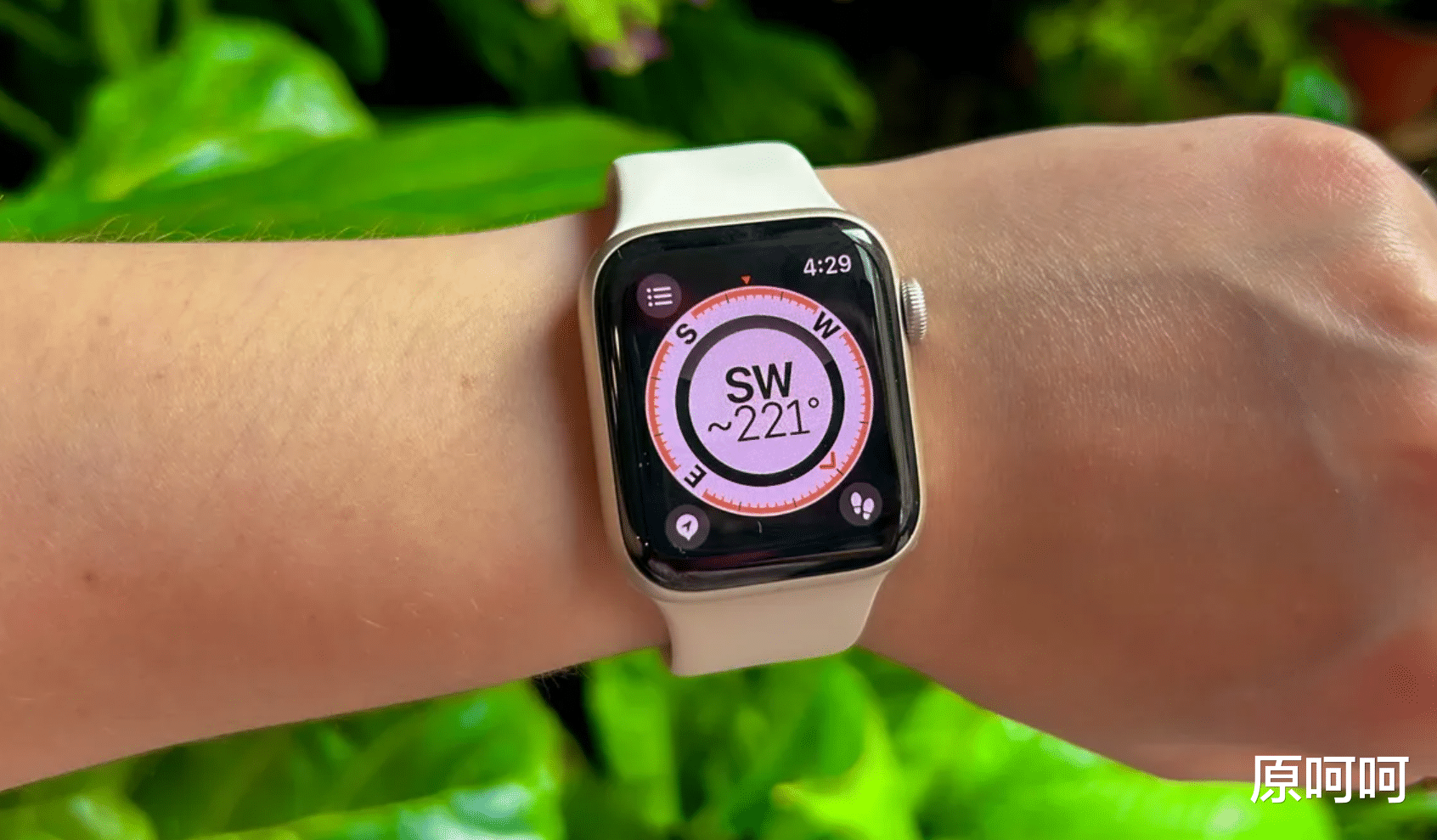
Of course, trade-offs remain. Battery life is still limited to about one day, requiring daily charging; and in terms of health sensors, it lacks more advanced ECG, blood oxygen, and the latest hypertension-related monitoring capabilities. However, it still retains a temperature sensor for periodic tracking, and provides sleep apnea reminders and sleep scoring functions through software algorithms.
Overall, the Apple Watch SE 3 is not the most feature-rich model, but it offers powerful performance and a mature basic experience, making it a lower entry barrier and a very safe and less likely to lead to regret when entering the Apple Watch ecosystem.
Apple Watch Ultra 2
While it may not be as feature-complete as the latest generation, the Apple Watch Ultra 2 remains a solid high-end smartwatch and will continue to be highly useful for years to come. It retains the core strengths of the Ultra series, including a rugged and durable design, a brighter display, and approximately two days of battery life.

In terms of performance, the Ultra 2 uses the same S10 processing platform as the new model, and there is no significant difference in daily smoothness and system responsiveness. This makes it a more rational upgrade option, especially suitable for users who want to enter the Ultra series but do not want to bear the cost of the latest model.
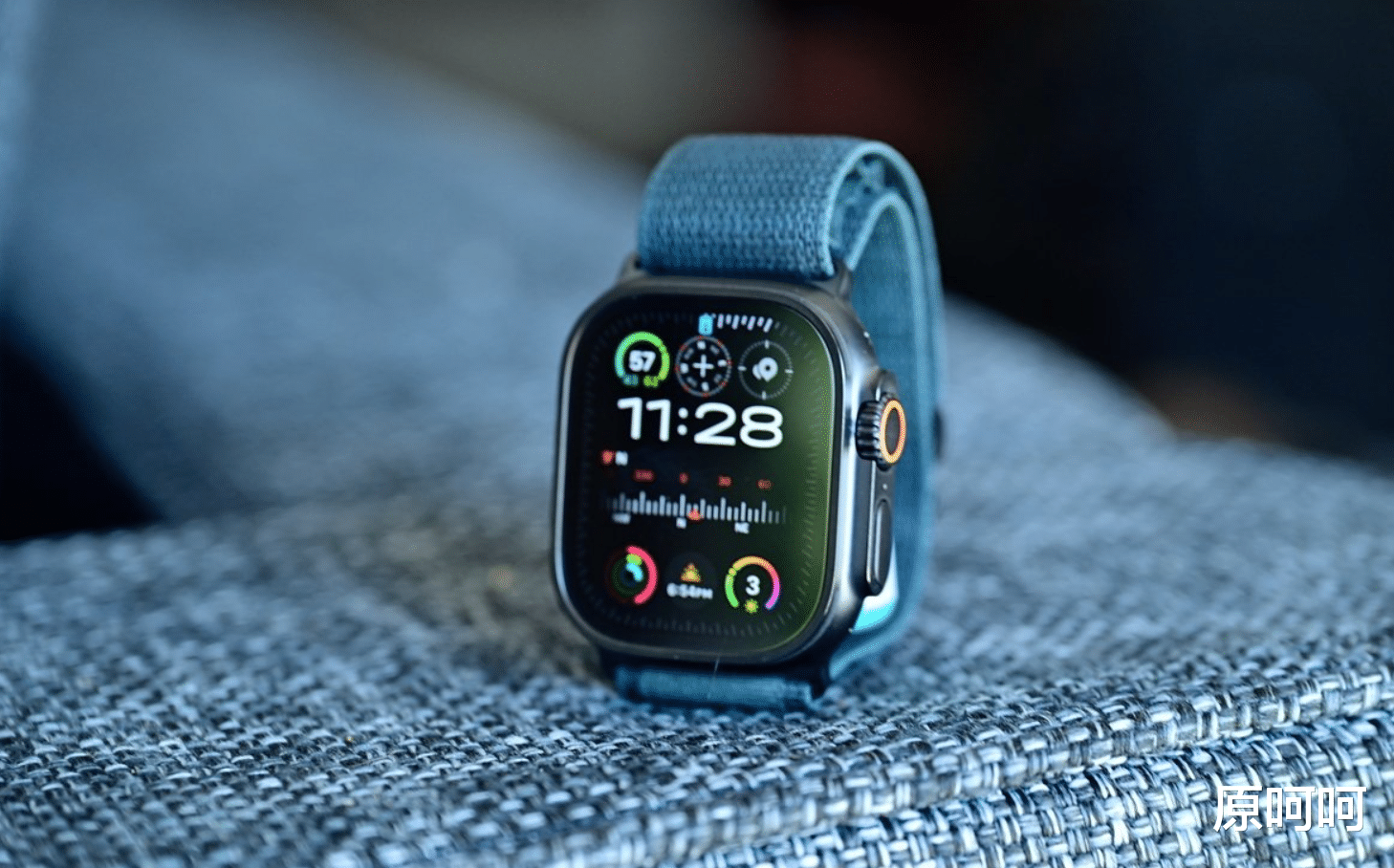
It’s important to note that price fluctuations have become quite frequent in the market. If the price of the next-generation model remains stable, and the Ultra 2 offers a significant price advantage, it will remain highly attractive. Conversely, if the price difference narrows, choosing the next-generation model would be a more prudent option.
Overall, the Ultra 2 is a product at a “transitional point.” If you don’t particularly care about the newly added satellite-related functions, it can still cover most outdoor and everyday use scenarios; however, if you clearly value the security and communication capabilities introduced in the new generation, then upgrading to the latest model would be more in line with long-term expectations.
Apple Watch Series 10
Following the consistent pattern of this product line, the Series 10 marked a significant design shift. Subsequent models did not change the external structure, which makes it remain the thinnest and lightest standard design to date.

In actual use, the Series 10 remains a smartwatch with sufficient performance and a mature user experience. The system responds quickly, daily operation is smooth, and the large screen significantly improves the usable space on the wrist. It is only available in 42mm and 46mm sizes, clearly targeting a specific market segment.
However, like subsequent models, it remains limited by its daily battery life, a long-standing weakness of the series. If the core goal of the upgrade is to achieve longer battery life, then this generation will not bring about any fundamental change.
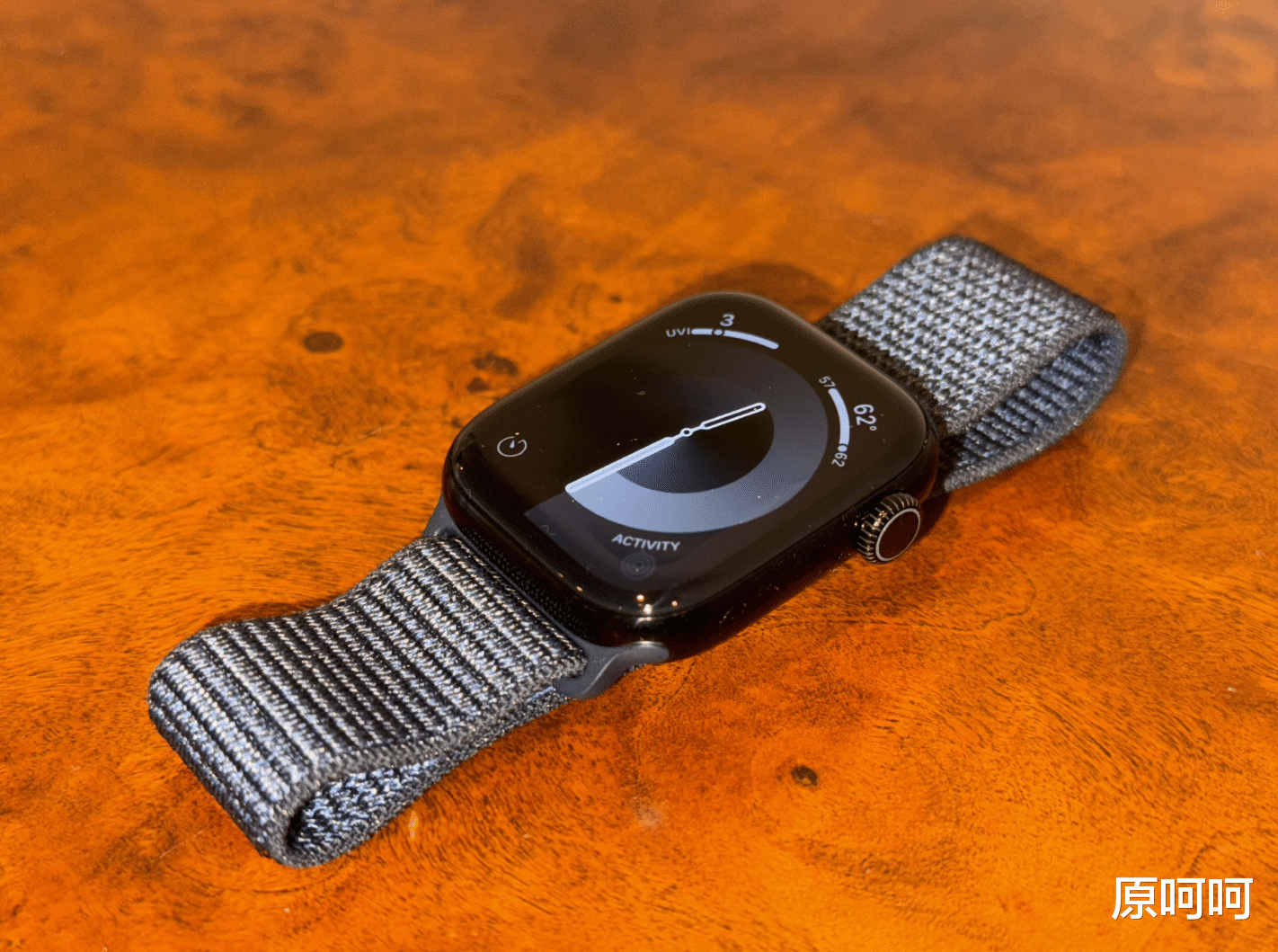
It’s worth noting that this is the first time the series hasn’t introduced a more powerful processing platform in its next generation. This means that performance hasn’t been “obsolete,” and the Series 10 still has ample system headroom for the foreseeable future. In the long term, it can still support subsequent system updates and feature evolutions.
If the design language established in this generation continues into the distant future, then the Series 10 will maintain a sense of “freshness” in terms of appearance for quite some time. Overall, it is a standard choice with leading design and stable performance, but it still requires compromise in terms of battery life.
If you enjoyed this article, please consider giving a tip! Also, don’t forget to share, like, comment, and follow!
 WeChat sweep a reward
 Alipay sweep to reward



 English
  简体中文
简体中文