
Hello! I’m Yuan Hehe. Please follow me for more exciting content. 2026 360 camera comparison
I’ve been testing and using 360-degree cameras since they first appeared. Early 360-degree cameras were generally large and bulky. But things are completely different now. In my experience, the best 360-degree cameras today are small, powerful, can shoot high-resolution video directly, and post-editing is very simple.

Take the Insta360 X5 as an example; it can almost be considered a microcosm of the current capabilities of 360-degree panoramic cameras. As an upgrade to the X4, it supports 8K video recording. Meanwhile, its compact design and quick-change lenses make it especially suitable for content creators who need to carry it for extended periods and use it frequently.
Of course, the Insta360 isn’t the only option. The DJI Osmo 360 and GoPro Max 2 offer a very similar user experience to the X5, with comparable performance. Furthermore, in many markets, they are typically more affordable, targeting the mid-range market and offering better value for money.

That’s why I’ve included several 360-degree cameras in this guide, hoping to cover everything from advanced users who prioritize 8K image quality and creative freedom. Whether you’re a professional creator or simply want a lightweight, easy-to-use panoramic camera to document your life, the options are much more sophisticated than they used to be.
1. Insta360 X5: Overall the best 360-degree camera
The Insta360 X5 has refined the concept of how to use a 360-degree camera to a very mature level. In my actual review, it is indeed a more refined and powerful upgrade than the X4, and this improvement is not limited to the specifications.

The most noticeable change comes from image quality. The X5 uses a larger 1/1.28-inch sensor, resulting in a visible improvement in sharpness and clarity, especially in low-light conditions. Combined with Insta360’s consistently mature AI image processing, the final images are highly reliable in terms of stability and visual quality, requiring minimal additional processing.
Beyond that, some seemingly unassuming yet highly practical upgrades are also impressive. The 15-meter waterproof rating eliminates the need for additional protection during underwater shooting; while the interchangeable lens design significantly extends the camera’s lifespan. The overall design maintains Insta360’s family style without deliberate alteration, but the details are more refined. For example, the newly added third-party bracket locking points are clearly designed for more professional usage scenarios.
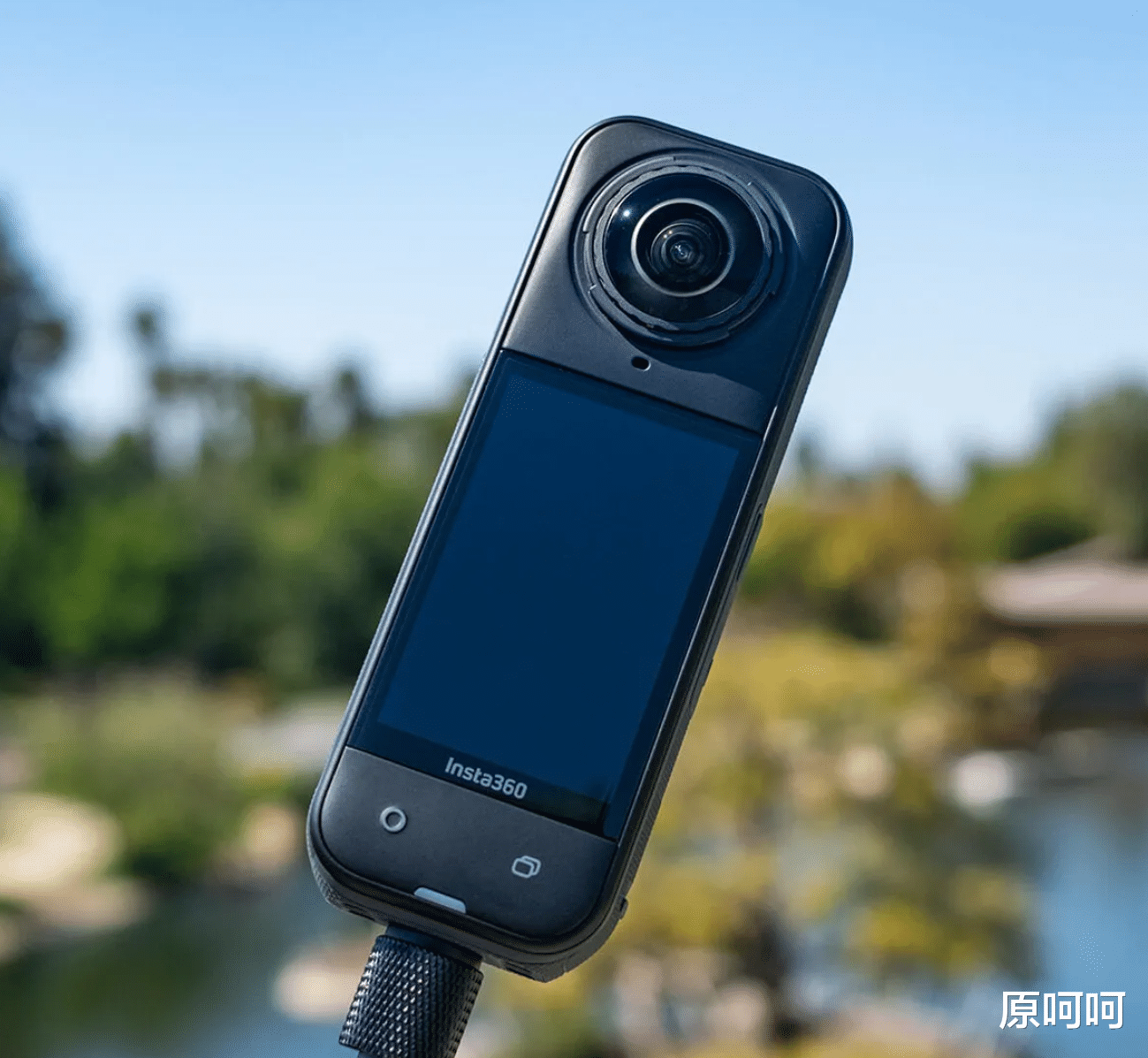
The companion app remains a key advantage of the X5, offering highly efficient editing and sharing. However, it does place high demands on the performance of older phones. At the highest graphics settings, the battery drains relatively quickly, so this should be expected.
For existing X4 users, this upgrade isn’t exactly a revolutionary change, but rather a comprehensive optimization; however, if you’re a first-time buyer or upgrading from an earlier model, the improved experience brought by the X5 is very clear.
2. DJI Osmo 360: The best quality 360-degree camera.
The DJI Osmo 360 is DJI’s first 360-degree camera, and its debut was remarkably mature. In actual testing, the first impression of this camera is its solid build quality and high level of completion. More importantly, it strikes a rare balance between price and quality.
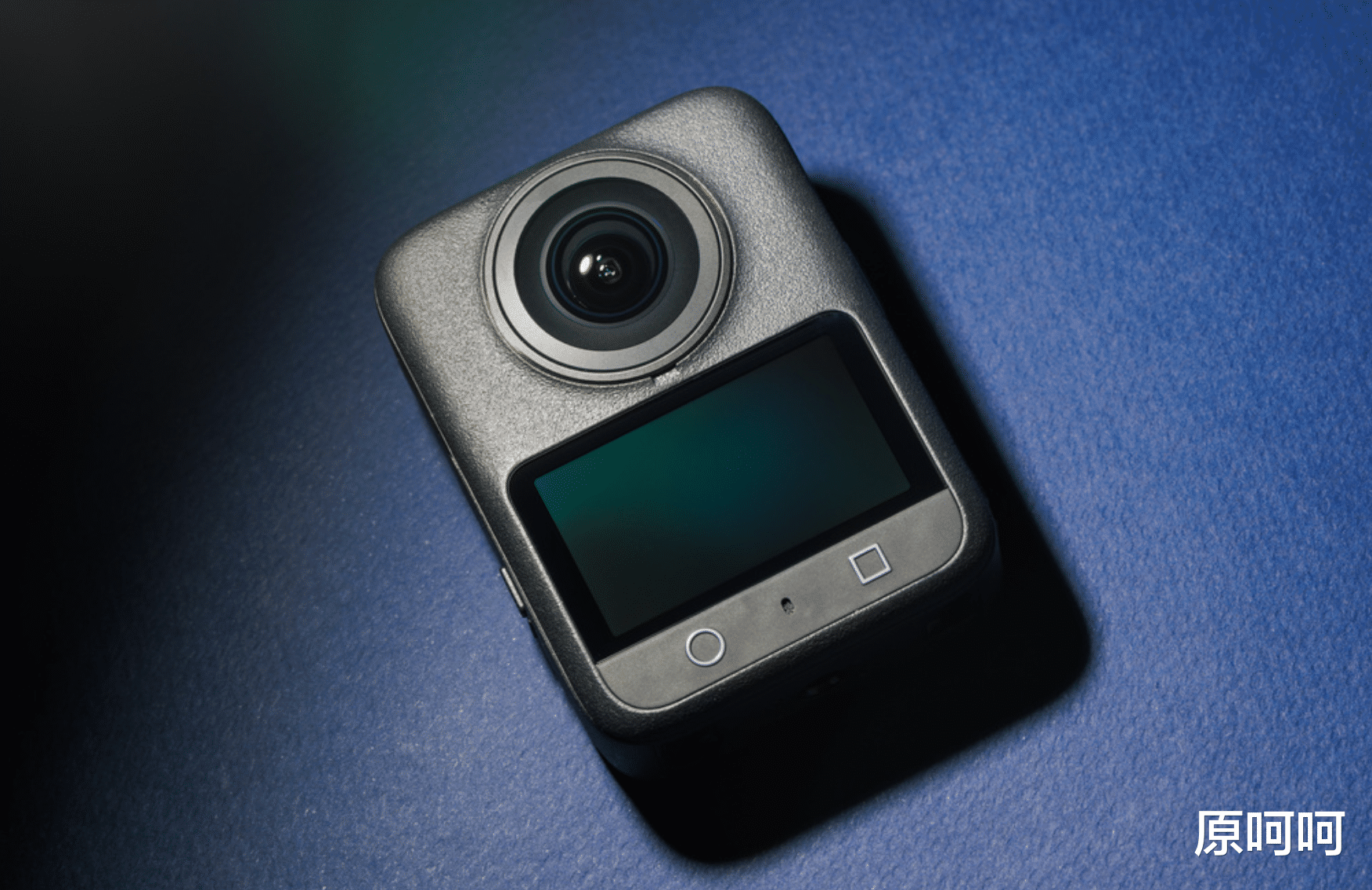
Image quality is one of the Osmo 360’s most outstanding strengths. It uses a pair of 1/1.1-inch sensors, capable of shooting 8K video at 10-bit color depth and 50fps. Judging from the actual footage, the image details are incredibly rich, the colors are vibrant yet not exaggerated, and the dynamic range is remarkably well-controlled. The stability is equally commendable; the overall performance can almost be described as “imperceptible,” with hardly any noticeable shake correction.
In terms of user experience, the Osmo 360 clearly continues DJI’s consistent approach. The 2-inch touchscreen on the front of the device is clear and intuitive, the menu logic is simple, and it’s almost impossible to get started without it.
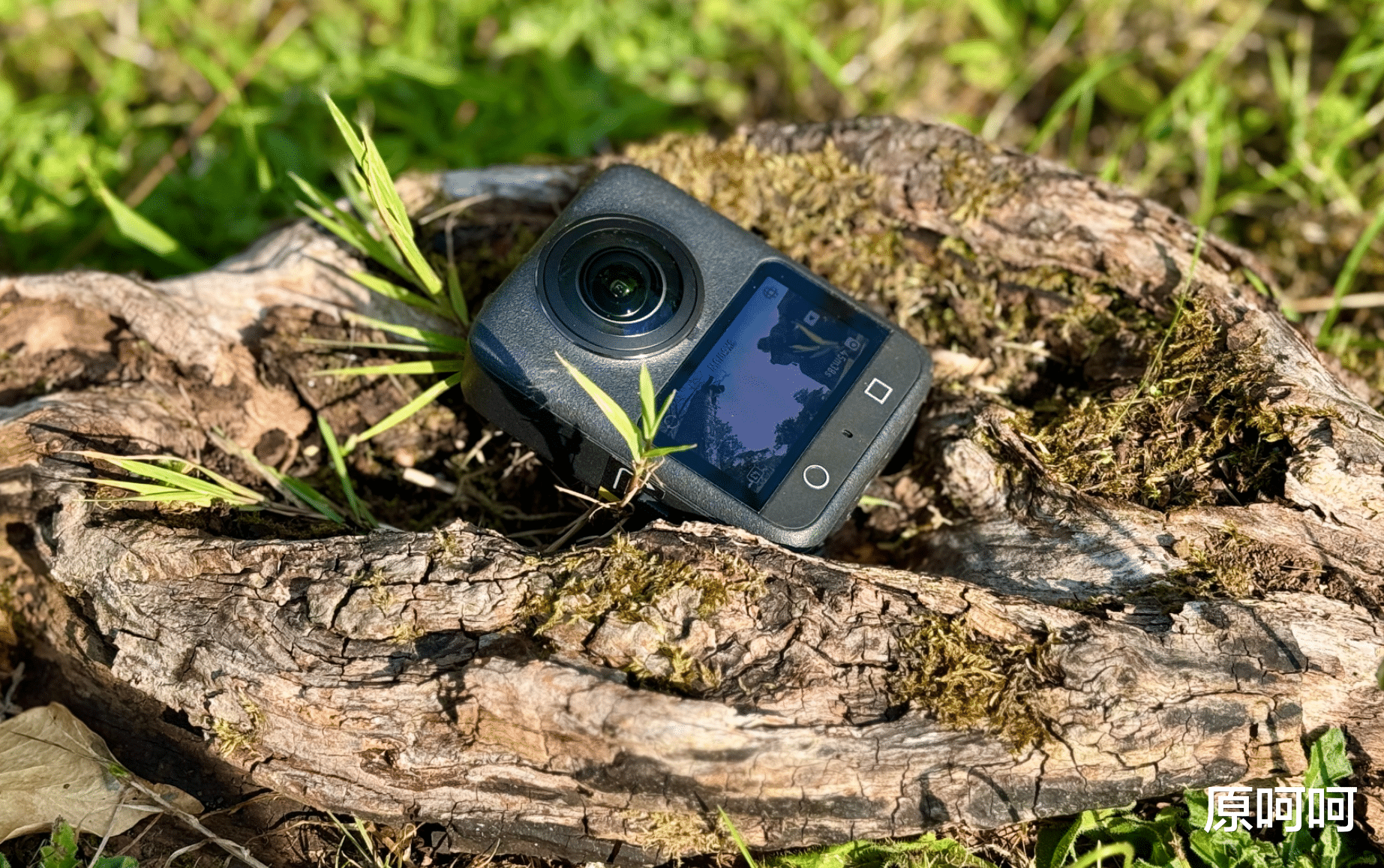
Of course, this wasn’t a flawless “debut.” Unlike the Insta360 X5, the Osmo 360’s lens isn’t interchangeable, which somewhat limits its flexibility for long-term use. Furthermore, while it’s waterproof to 10 meters, potential image stitching issues make underwater shooting less recommended for serious filming.
Even so, the Osmo 360 remains a very competitive 360-degree camera. Especially if you’re already using other DJI products, such as the compatible Mic Mini, the Osmo 360 will feel more natural and integrate more easily into your existing creative ecosystem.
3. GoPro Max 2: Best 360-degree camera design
The GoPro Max 2 arrived a full six years after the original Max, and the wait was well worth it. The upgrades are significant, especially in image quality. In our tests, the Max 2 produced the best overall 8K 360-degree video in this guide, supporting 10-bit color depth.
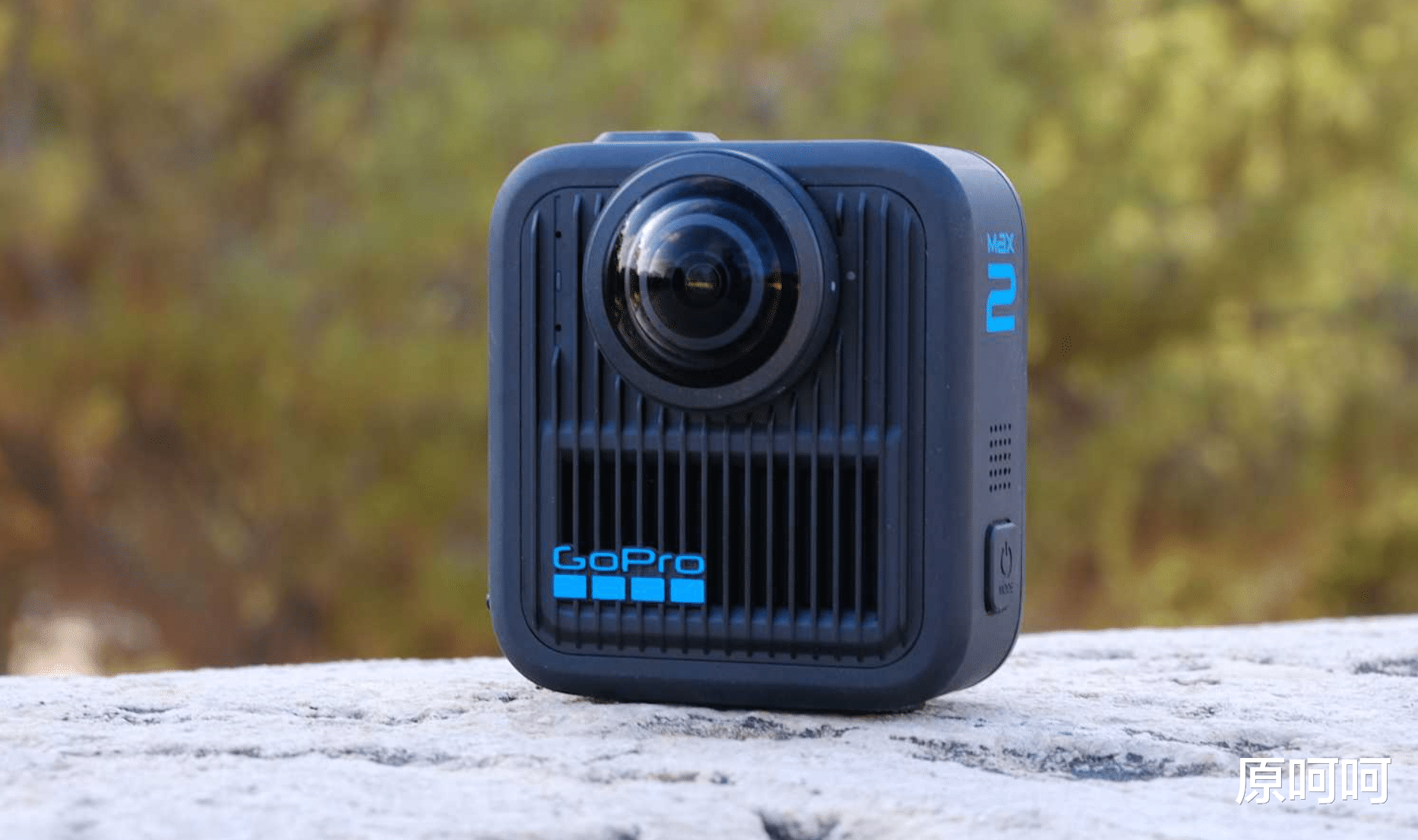
In terms of structural design, it continues GoPro’s consistent approach, using two 180-degree fisheye lenses to capture the full field of view, supporting an invisible selfie stick and automatic stitching. This time, it’s particularly noteworthy that the lenses are detachable and replaceable, and the operation is extremely simple.
In terms of appearance, the Max 2 adopts a shorter and thicker square body design, contrasting with the X5’s more slender “stick-like” shape. Which one is better depends on your usage scenario, but the Max 2 is indeed more flexible in terms of stable placement and multiple installation methods.

Continuing GoPro’s tradition, the Max 2 is waterproof to approximately 5 meters, features a built-in foldable mounting finger, and is compatible with the full range of GoPro mounting accessories. Audio is also one of its strengths; the built-in microphone array can record complete 3D ambient sound, significantly enhancing the immersive experience compared to many similar products.
Overall, the GoPro Max 2 is now capable of competing head-to-head with the Insta360 X5, although the X5 still holds a slight edge in terms of feature completeness and image quality stability.
4. Insta360 X3: The best value 360-degree camera for beginners
Although the Insta360 X3 has been updated twice, it is still on sale and currently offers better value for money. If you don’t need the 8K video recording or longer battery life offered by the newer models, the X3 remains a very worthwhile option.

Upon its release, the Insta360 X3 demonstrated competitiveness in several key areas. It significantly outperformed the then-unupdated GoPro Max in single-lens 4K resolution, and its overall performance was equally stable and reliable when shooting 5.7K 360-degree video.
The Insta360 X3’s user experience is also exceptionally beginner-friendly. It features a 2.29-inch touchscreen, significantly larger than many similar products, making handheld shooting and parameter adjustments more intuitive. In terms of post-production, Insta360’s editing workflow remains a strong point, offering a rich array of tools with a clear logic, making the editing and exporting process virtually effortless.
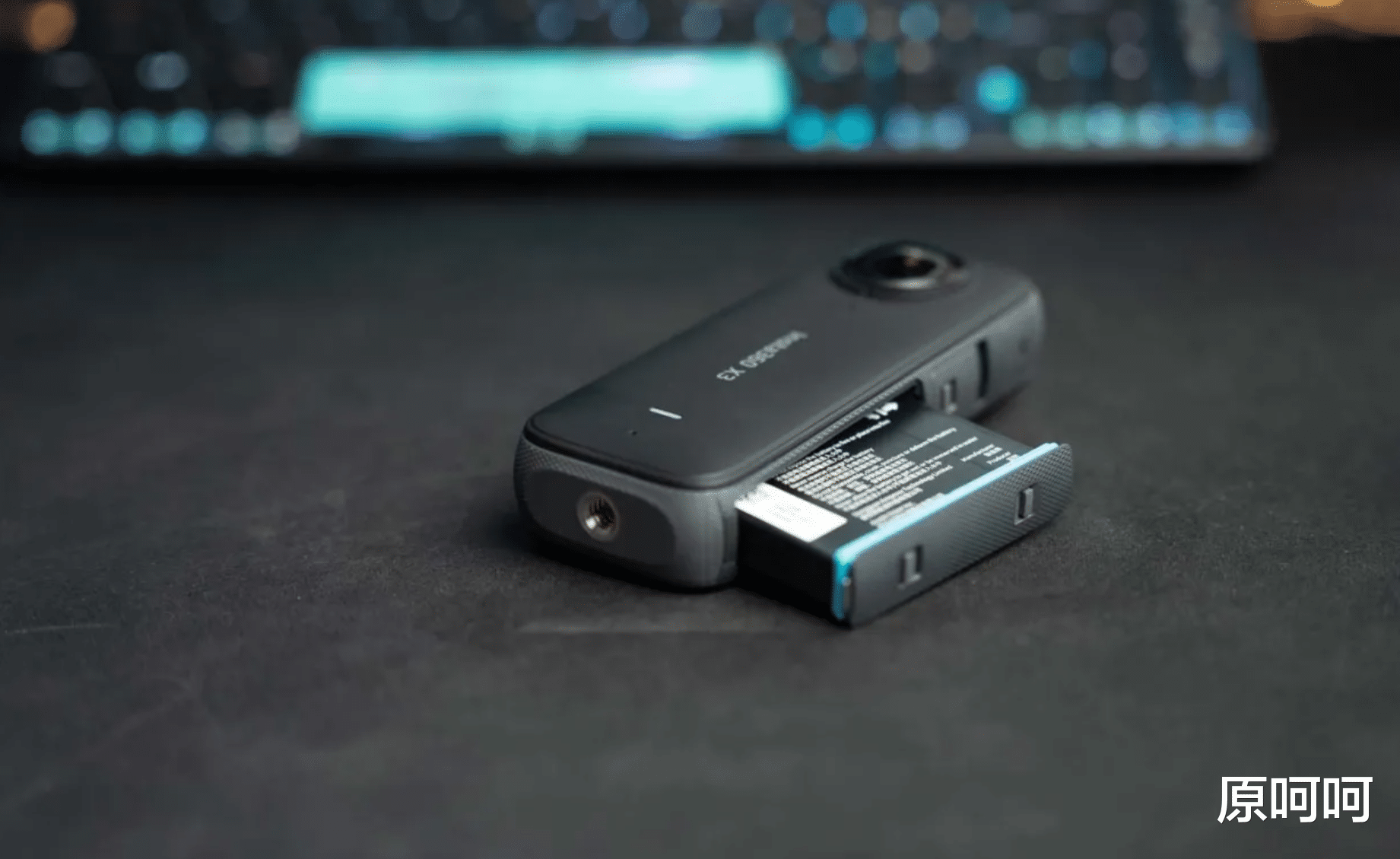
Battery life also met expectations. The official claim of approximately 81 minutes of battery life was largely accurate in our tests, and coupled with 10-meter water resistance, it’s quite practical for everyday use and travel photography. Considering all these factors, the X3 remains a highly polished 360-degree camera.
If you are new to 360-degree shooting and want a mature and stable experience at a lower cost, then the X3 is still one of the most cost-effective and reliable entry-level options.
If you enjoyed this article, please consider giving a tip! Also, don’t forget to share, like, comment, and follow!
 WeChat sweep a reward
 Alipay sweep to reward



 English
  简体中文
简体中文